9 Best Exercises to Stop SI Joint Pain Fast!
Introduction:
When the joint that connects your spine to your pelvis becomes irritated, stiff, or inflamed, it can cause sacroiliac (SI) joint pain. Your buttocks, lower back, and even your legs may be affected by this pain, which makes daily activities painful.
The first step to relief from SI joint pain is to identify its underlying cause. The good news is that you may naturally lessen pain and restore healthy movement to your SI joint with easy lifestyle modifications, posture correction, and light workouts.
Benefits Exercises of SI Joint Pain in Fix It Naturally:
A reliable and secure method of providing long-term relief without the need for drugs or invasive surgeries is to treat SI joint pain naturally. Through mild movement and strengthening, natural techniques can reduce inflammation, increase joint stability, and restore correct alignment. Additionally, these methods assist in improving posture, minimizing recurrent pain, and increasing hip and lower back flexibility.
Natural therapies improve general mobility by treating underlying musculoskeletal imbalances, enabling you to move more confidently and easily during regular tasks.
What Is SI Joint Pain? How to Fix It Naturally Video:
Exercises for SI Joint Pain:
Knee to Chest Stretch:
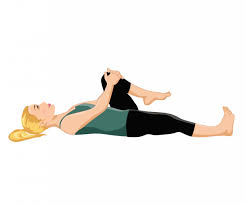
The knee-to-chest stretch is a mild exercise that relieves tension in the glute muscles, hips, and lower back—areas that are frequently impacted by SI joint pain. Lying on your back with your legs outstretched, slowly raise one knee to your chest while maintaining the other leg relaxed on the ground.
Breathe deeply while holding the stretch for 15 to 20 seconds. This exercise eases stiffness and soreness, lessens strain on the SI joint, and increases spinal mobility.
Piriformis Stretch:
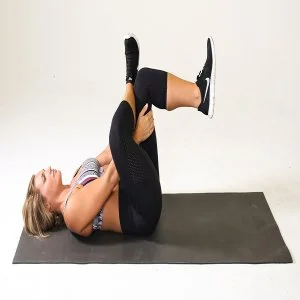
The piriformis stretch works the tiny muscle deep in the buttocks, which can worsen pain in the SI joint and frequently gets stiff. To do it, bend both knees while lying on your back. To create a “figure-4,” cross one ankle over the opposing knee.
Pull the uncrossed leg gently toward your chest until the crossed leg’s buttocks start to stretch. Hold while breathing slowly for 20 to 30 seconds. This stretch promotes hip mobility for greater comfort, eases sciatic-type symptoms, and relieves tension around the SI joint.
Hip Flexor Stretch:
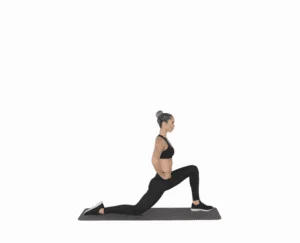
The hip flexor stretch aids in releasing tension at the front of the hip, which can cause the pelvis to become misaligned and put more strain on the SI joint. Start in a half-kneeling stance with one foot in front of you and one knee on the ground.
Stretch the front of your hip and the kneeling leg’s thigh by gently shifting your weight forward. Maintain a straight back and a strong core. For 20 to 30 seconds, hold. This stretch promotes greater mobility and stability around the SI joint, eases lower back stress, and improves pelvic alignment.
Child’s Pose:
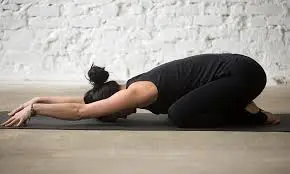
Child’s pose is a mild, calming stretch that relieves stress in the pelvis, hips, and lower back—regions that are strongly linked to pain in the SI joint. Kneel on the floor, lean back on your heels, and slowly lower your chest toward the floor while reaching forward with your arms. Breathe deeply while letting your forehead fall to the ground.
Maintain the posture for at least 20 to 30 seconds. This posture is great for relieving tightness and increasing general mobility since it lengthens the spine, eases strain on the SI joint, and encourages relaxation.
Glute Bridge:
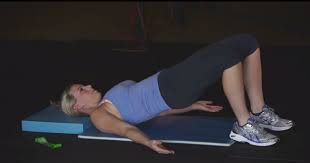
The glute bridge is a strengthening exercise that works the core, hamstrings, and glutes—muscles that are crucial for SI joint stability. To do it, lie on your back with your feet flat on the floor, hip-width apart, and your knees bent. To create a straight line from your shoulders to your knees, contract your core and lift your hips.
At the apex, squeeze your glutes, hold them for a moment, and then gradually descend. This exercise is quite useful for long-term pain alleviation because it increases pelvic stability, maintains appropriate alignment, and lessens strain on the SI joint.
Bird Dog Exercise:
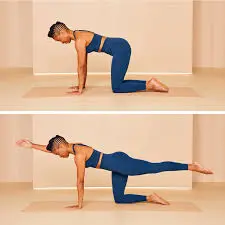
The core, lower back, and hip stabilizers—important muscles that support and protect the SI joint—are strengthened by the bird dog exercise. With your back straight and your core active, begin on your hands and knees. Keeping your hips level, slowly extend one arm forward while extending the opposing leg straight back.
After a brief moment of holding, go back to the beginning and flip sides. This regulated movement is a great way to build long-term strength and avoid pain flare-ups since it improves balance, increases spinal stability, and lessens stress on the SI joint.
Clamshells:

The gluteus medius, a crucial muscle for hip stability and SI joint support, can be strengthened with clamshells. It involves lying on your side with your feet together and your knees bent. Lift your upper knee up while maintaining a steady hip position, like opening a clamshell, while keeping your feet in contact.
After a little pause at the peak, carefully lower your knee. This exercise is perfect for treating and preventing SI joint pain since it corrects muscle imbalances, increases pelvic stability, and lessens strain on the SI joint.
Side Plank:

The obliques, hips, and deep stabilizing muscles that support the SI joint are all targeted by the side plank, a potent core-strengthening exercise. To do it, lie on your side with your elbow beneath your shoulder and your forearm on the ground. Make a straight line from your head to your feet by stacking your legs and raising your hips off the floor.
Don’t allow your hips to sink; instead, keep your core active. After 15 to 30 seconds of holding the position, switch sides. This exercise helps prevent excessive pressure on the SI joint, improves pelvic alignment, and strengthens lateral core stability.
Conclusion:
When you concentrate on targeted strengthening, mild stretching, and mindful movement, you can effectively and sustainably manage SI joint pain. You can lessen inflammation around the SI joint and restore proper alignment by increasing hip and lower back flexibility and strengthening your pelvis and core. Regularly performing these exercises promotes general mobility, reduces pain, and avoids flare-ups. You may naturally and securely sustain long-term relief, strengthen your body, and increase your range of motion with the correct regimen.
FAQs:
What differentiates sacroiliac pain from sciatica?
The primary distinction is that sciatica, which is characterized by acute or burning pain that travels down the leg below the knee, is nerve pain caused by compression of the sciatic nerve. SI joint pain, on the other hand, is usually mild, confined to the buttocks or lower back, and infrequently extends beyond the knee. Numbness or tingling is more common in sciatica than in SI joint pain.
Can SI joint pain be relieved by chiropractic?
For SI joint dysfunction, chiropractic therapy is quite beneficial. Stretching, stabilization exercises, and spinal and pelvic adjustments are typically used as part of treatment. Reducing inflammation, restoring joint function, and averting flare-ups are the long-term objectives.
Why is my SI joint still hurting?
Sacroiliitis, or inflammation of the SI joint, is most frequently caused by arthritis. SI joint pain is frequently caused by sacroiliitis. However, an injury, pregnancy, or biomechanical issues that cause your pelvis to shift unevenly could be the cause of your pain.
Which natural muscle relaxant is the most potent?
Since the origin of the muscle tension and each person’s physiology determine how powerful a natural muscle relaxant is, there isn’t a single “strongest” one. Nonetheless, a number of natural remedies are generally regarded as beneficial, such as magnesium, which is necessary for muscular function; chamomile and passionflower, which ease tension and encourage relaxation; and CBD oil, which has anti-inflammatory and pain-relieving qualities. Cherries, blueberries, and cayenne pepper are other helpful cures, along with techniques like massage, heat therapy, and drinking plenty of water.
What could be misinterpreted as pain in the SI joint?
Yes, because of similar symptoms like soreness in the lower back, hips, and buttocks, SI joint pain can be confused with hip pain. The proximity of the sacroiliac and hip joints makes it challenging to pinpoint the precise cause of pain without a comprehensive assessment.
How can a SI joint be healed fast?
Following a care plan is the greatest method to eliminate SIJ pain. Your symptoms will improve or your injury will recover more quickly the more you exercise, relax, and use ice.
What type of physician handles pain in the SI joint?
Patients with back pain are frequently first seen by primary care doctors; however, if SI joint dysfunction is suspected, it is crucial to be assessed at an advanced spine clinic as soon as possible because prompt and professional management can prevent the issue from getting worse.
Why does SI pain worsen at night?
Your SI joint pain may seem to worsen at night. This is typically caused by shifting positions during sleep, which irritates the SI joint, or by placing weight on it when lying down.
Where can I get a massage for pain in my SI joint?
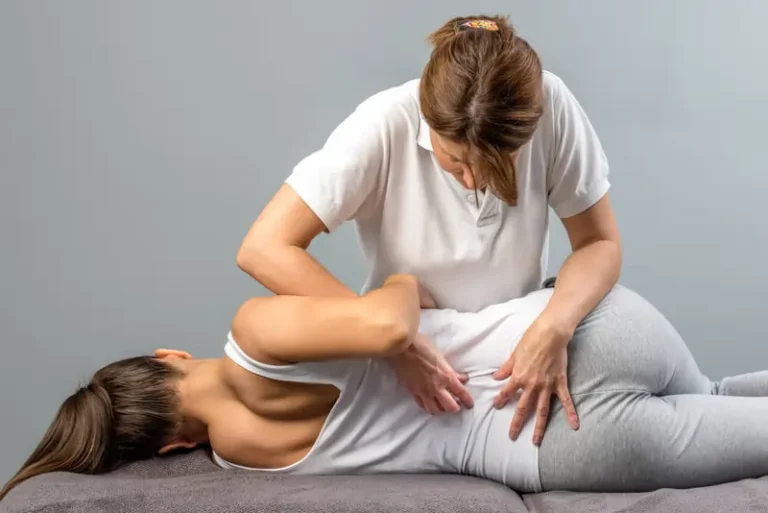
Side-lying makes it simple to evaluate and treat the SI joint. Take a position behind the client’s pelvis. To move one leg back and forth along the other leg like a piston, place your hand on the greater trochanter, knee, or posterior superior iliac spine. Throughout, the upper leg lies beside the lower leg.
If my sacroiliac joint hurts, what should I stay away from?
Avoid hard lifting, prolonged sitting or standing, and high-impact activities for managing sacroiliac (SI) joint pain. Additionally, avoid bad sleeping positions, difficult twisting or bending motions, and repetitive motions that might strain the joint.
What is the long-term remedy for pain in the SI joint?
Sacroiliitis surgery
If physical therapy and other therapies, like as RFA, have not helped your pain, your doctor may suggest surgery. Your surgeon may use surgical screws to permanently fuse the joint.
Can a SI joint heal completely?
Physical therapy and anti-inflammatory drugs are effective conservative treatments for many sacroiliac joint pain situations. Curing SI joint pain may depend on whether the underlying ailment, such as osteoarthritis, can be treated.
Which posture eases pain in the SI joint?
Make sure your ankles and heels are as close to your torso as you can. When sitting, maintain equilibrium and make sure the weight of your body is evenly distributed across your sit bones and slanted to one side. Take deep breaths and try to unwind as much as you can.
How can a SI joint heal on its own?
Strengthening the muscles surrounding the sacroiliac joint is a reliable method of reducing its pain. Your sacroiliac joint will eventually become more stable if you strengthen the muscles that support your hips and lower back. Starting on your hands and knees with a straight back, like a tabletop, is an easy workout.
References:
- Yetman, D. (2025, October 21). Stretches and Exercises to Help Ease SI (Sacroiliac) Joint Pain. Healthline. https://www.healthline.com/health/si-joint-stretches
- Sacroiliitis – Diagnosis and treatment – Mayo Clinic. (n.d.). https://www.mayoclinic.org/diseases-conditions/sacroiliitis/diagnosis-treatment/drc-20350751
- Home remedies for sacroiliac Joint pain: easy and doctor-approved. (2021, September 16). MidSouth Pain Treatment Center. https://midsouthpain.com/doctor-approved-home-remedies-sacroiliac-joint-pain/
- Carr, J. (2024, March 5). 5 SI joint stretches for natural pain relief. PainTEQ | LINQ Procedure for SI Joint Dysfunction. https://www.painteq.com/5-si-joint-stretches-for-natural-pain-relief
- Top 5 Exercises for SI Joint Pain Relief video. (n.d.). Spine-health. https://www.spine-health.com/video/top-5-exercises-si-joint-pain-relief-video
- Lillis, C. (2024, April 19). What sleeping position is best for sacroiliac joint pain relief? https://www.medicalnewstoday.com/articles/sleeping-position-sacroiliac-joint-pain-relief