
Top 10 Exercises to Build a Strong, Stable Back
Introduction:
The basis for general strength, proper posture, and injury prevention is a strong, stable back. Building back strength is crucial for maintaining your spine, increasing mobility, and boosting daily performance—whether you spend a lot of time sitting, lifting, or participating in sports.
These top ten exercises work the erector spinae, rhomboids, lats, traps, and other main back muscles while also strengthening the core for stability. Including them in your regimen will improve your range of motion, lessen pain, and build a strong, robust back.
Benefits of Exercises to Build a Strong, Stable Back:
For general health and day-to-day functioning, strengthening your back is crucial. By supporting the spine and surrounding muscles, a strong, stable back enhances posture, lowers the chance of injury, and relieves chronic back pain.
Additionally, it improves core stability, which makes commonplace motions like lifting, bending, and twisting safer and more effective. A strong back also improves athletic performance, endurance, balance, and general body strength, enabling you to move with ease and confidence in all facets of life.
Top 10 Exercises to Build a Strong, Stable Back Video:
Exercises to Build a Strong, Stable Back:
Cat-Cow Stretch:
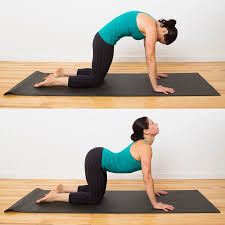
A fundamental yoga pose, the Cat-Cow Stretch warms up the back and core muscles, increases flexibility, and gently mobilizes the spine. It is done on all fours and alternates between the “Cat” stance, which involves arching the back upward, and the “Cow” pose, which involves dropping the belly while raising the chest and tailbone. This repetitive action improves posture and lessens stiffness by strengthening the muscles that support the vertebrae and increasing spinal flexibility.
Because each movement is timed with inhalations and exhalations, it promotes conscious breathing and relieves stress in the lower back, shoulders, and neck. By strengthening the core and fostering general spinal health, regular Cat-Cow Stretch practice can enhance circulation to the spinal discs, reduce pain from extended sitting, and get the body ready for more strenuous workouts.
Bridge Pose:
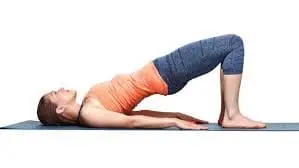
The Bridge Pose is a potent yoga pose that stretches the chest, hips, and spine while strengthening the back, glutes, and core. You raise your hips toward the sky while lying on your back with your knees bent and your feet hip-width apart. Press through your shoulders and feet to create a soft arch in your spine.
This pose strengthens the hamstring and glute muscles, promotes spinal alignment, and enhances posture in general. Additionally, it opens the shoulders and chest, increasing lung capacity and facilitating improved breathing. Bridge Pose is a great addition to any regimen aimed at developing a strong, healthy back since it helps relieve lower back strain, increase hip flexibility, stimulate the abdominal organs, and improve general core stability.
Knee-to-Chest Stretch:
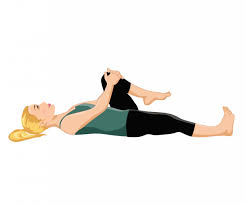
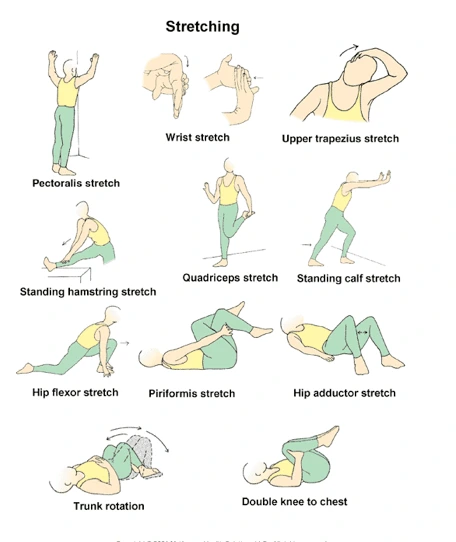
A straightforward but potent exercise for releasing tension in the lower back, increasing flexibility, and encouraging spinal mobility is the knee-to-chest stretch. This stretch helps extend the lower back muscles and relieve tension in the hips and glutes. To perform it, lie on your back and slowly draw one or both knees toward your chest. Additionally, it promotes healthy spinal alignment and helps lessen stiffness or soreness caused by extended sitting.
The stretch is a great option for reducing stress and getting the body ready for more strenuous workouts because it not only loosens the back but also softly massages the abdominal organs, enhances circulation, and encourages relaxation. Frequent use of the Knee-to-Chest Stretch can promote a more flexible and resilient spine, improve general back health, and avoid lower back pain.
Bird Dog exercise:
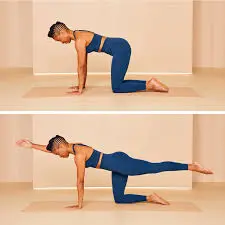
The Bird Dog exercise is a low-impact, extremely effective exercise that improves balance and stability while strengthening the gluteal, back, and core muscles. While on all fours, you extend one arm forward and the opposing leg backward while maintaining a neutral spine and using your abdominal muscles to keep control. By putting the deep stabilizing muscles of the spine to the test, this coordinated action helps to avoid injuries and lessen lower back pain.
By emphasizing alignment and balance, the Bird Dog improves coordination, posture, and general body awareness in addition to strength. Frequent practice is crucial for both everyday tasks and athletic performance because it strengthens the core, enhances functional movement patterns, and fosters a solid, resilient back.
Cobra Pose:
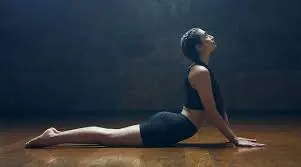
A traditional yoga backbend, the cobra pose expands the chest, strengthens the spine, and extends the shoulders and abdomen. This posture, which involves lying face down and raising the chest off the ground while keeping the hips anchored, works the lower back muscles and encourages spinal flexibility. In addition to promoting circulation to the spinal discs, it helps correct posture by mitigating the negative consequences of extended sitting and slouching.
The Cobra Pose also improves lung capacity and respiratory efficiency by gently stretching the muscles of the chest and abdomen. Frequent practice is a great complement to any back-strengthening or flexibility regimen since it helps ease shoulder and back tension, lessen stiffness, and build a stronger, more resilient spine.
Crunches:
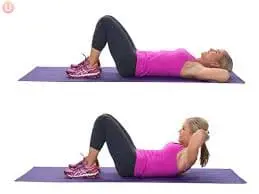
Crunches are a traditional core workout that helps strengthen and stabilize the abdomen by focusing on the abdominal muscles. Crunches activate the rectus abdominis and, to a lesser degree, the obliques and hip flexors. They are performed by lying on your back with your knees bent and raising your upper body toward your knees.
Crunches help strengthen the core, which is beneficial for both everyday activities and more difficult exercises. It also supports the spine, improves posture, and increases general balance and stability. Crunches can help tone the abdominal region, minimize the risk of lower back injury, and build a strong, resilient core that supports a stable and healthy back when done with good form and controlled breathing.
Bicycle Crunch:
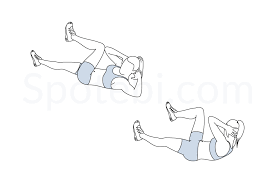
The Bicycle Crunch is a sophisticated abdominal workout that works the lower back and stabilizing muscles in addition to the rectus abdominis, obliques, and hip flexors. This dynamic exercise, which involves lying on your back and alternatively bringing opposing elbows to knees in a cycling action, challenges the core from several aspects by combining flexion and rotation.
By strengthening the muscles that support the back, the exercise increases spinal stability, strengthens the core, and encourages better posture. Bicycle crunches are also very helpful for developing a strong, robust core that supports a stable and healthy back since they improve balance, coordination, and general functional fitness.
Russian Twist:
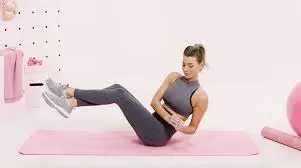
The Russian Twist is a dynamic core exercise that works the rectus abdominis, transverse abdominis, and obliques. It also works the hip and lower back muscles for stability. This exercise tests rotational strength and balance. It involves sitting on the floor with knees bent, leaning slightly back, and twisting the torso from side to side, usually while carrying a medicine ball or weight.
Frequent Russian Twist practice strengthens the muscles that support the back, improves posture, and lowers the chance of injury while performing bending or twisting motions. It is a great supplement to a program designed to develop a strong, stable, and robust back because it also improves total core endurance, coordination, and functional strength.
Plank:
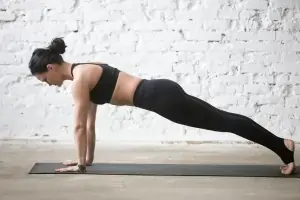
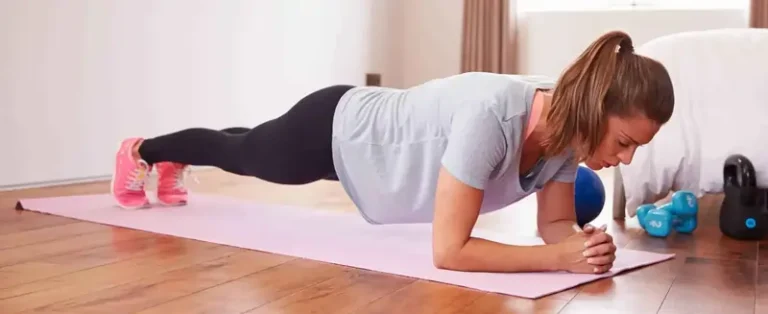
A basic isometric exercise that improves general body stability and strengthens the glutes, shoulders, back, and core is the plank. By using the forearms or wrists and toes to support the body in a straight line from the head to the heels, this exercise activates the deep stabilizing muscles of the spine, improving posture.
Planks improve balance, coordination, and core strength, making daily motions safer and more effective. Frequent exercise also improves alignment and lowers the chance of accidents by strengthening the upper back and shoulders. The plank is an essential part of any regimen aimed at developing a strong, stable, and resilient back since it is a flexible, low-impact exercise.
Superman Pose:
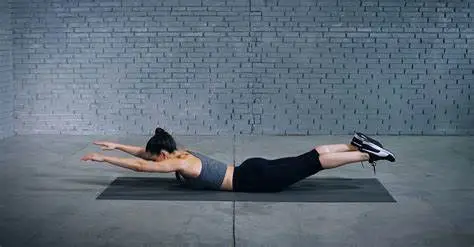
The Superman Pose is a potent back-strengthening exercise that enhances total spinal stability while focusing on the glutes, hamstrings, shoulders, and erector spinae. This position, which involves elevating the arms, chest, and legs off the ground while resting face down, works the muscles throughout the entire back chain, increasing strength and endurance.
Frequent Superman Pose practice improves posture, eases tightness in the lower back, and promotes healthy spinal alignment. It is a great complement to any practice that aims to develop a strong, stable, and robust back since it challenges the body to maintain control when extended, improving balance and coordination.
Conclusion:
For general health, posture, and functional mobility, developing a strong, stable back is crucial. Including these exercises in your program enhances flexibility, core stability, and balance in addition to strengthening the muscles that support the spine. Frequent practice can improve performance in daily tasks and sports, lower the chance of injury, and relieve back pain.
You can build a strong, robust back that supports your body, gives you more self-assurance, and fosters long-term wellbeing by dedicating yourself to these exercises.
FAQs:
Which full-back exercise is the best?
The finest back workouts for building bulk include pull-ups and chin-ups, barbell bent-over rows, bent-arm dumbbell pull-overs, lat pull-downs, standing T-bar pulls, single-arm upright rows, seated rows, barbell shrugs, and barbell deadlifts.
How can you construct a massive back?
Focus on compound movements like deadlifts, pull-ups/Lat pulldowns, and barbell/dumbbell rows to increase the thickness and width of your back. These exercises impact distinct muscles (lats, traps, rhomboids, and rear delts) with varied grips and angles, assuring progressive overload for growth.
Which workouts target every muscle in the back?
For complete development, incorporate variations like T-Bar Rows, Shrugs, and Dumbbell Pullovers, ensuring a mix of vertical pulls, horizontal pulls, and heavy lifting to target width, thickness, and lower back strength.
References:
- Davis, N. (2024, April 10). No more backaches: 18 exercises for a stronger back. Healthline. https://www.healthline.com/health/fitness/back-strengthening-muscles-posture
- Sinha, R. R. (2023, June 29). Top 10 back-strengthening exercises. @Medanta. https://www.medanta.org/patient-education-blog/top-10-back-strengthening-exercises
- Back exercises in 15 minutes a day. (n.d.). Mayo Clinic. https://www.mayoclinic.org/healthy-lifestyle/adult-health/in-depth/back-pain/art-20546859
- 10 best back strengthening exercises at Home | QI Spine. (2024, October 25). QI Spine. https://www.qispine.com/blog/back-strengthening-exercises-at-home
- Cadman, B. (2025, April 14). How to strengthen the lower back. https://www.medicalnewstoday.com/articles/323204
- Seated cat cow. (n.d.). [Video]. Hingehealth. https://www.hingehealth.com/gb/en/resources/articles/back-exercises-for-beginners/