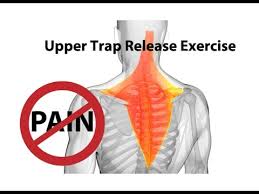
Best Exercises & Stretches for Upper Trapezius Pain Relief
Introduction:
Poor posture, tension, spending a lot of time at a desk, or repetitive motions that put strain on the neck and shoulders can all lead to upper trapezius pain.
Tight muscles can be relaxed, mobility can be increased, and normal alignment can be restored with targeted exercises and mild stretches.
You may lessen pain, ease stiffness, and avoid future flare-ups by regularly doing these exercises, which will make everyday tasks feel lighter and more pleasant.
Benefits of Upper Trapezius Pain Relief:
There are a number of significant advantages to treating upper trapezius pain that improve comfort and functionality. Your neck and shoulders will be able to move more freely throughout the day as a result of the reduction of muscle tension and stiffness.
Headaches, particularly those caused by tense neck muscles, might be lessened by increased circulation and flexibility in the region.
Additionally, improving posture through trapezius strengthening and stretching lessens the strain caused by extended sitting or screen time. In general, treating upper trapezius pain promotes a healthier, more relaxed upper body, increases mobility, and reduces strain on nearby muscles.
Best Exercises & Stretches for Upper Trapezius Pain Relief Video:
Best Exercises & Stretches for Upper Trapezius Pain Relief:
Upper Trapezius Stretch:
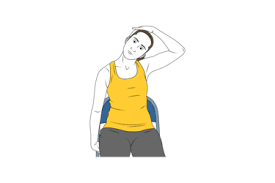
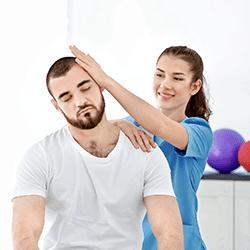
Reducing tension along the side of your neck and shoulder can be accomplished gently but effectively with the upper trapezius stretch. Start by sitting or standing upright, then gradually tilt your head toward one shoulder while maintaining a relaxed, downward-facing shoulder on the other.
By simply resting your hand on the side of your head and pulling a little, you can deepen the stretch. Breathe deeply while holding the pose for 20 to 30 seconds. Feel the strain in your neck and upper shoulder release. To regain equilibrium and reduce tense muscles, repeat on the opposite side.
Chin Tucks:
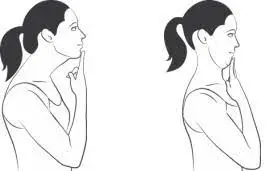
By strengthening the deep cervical muscles, chin tucks serve to improve neck posture and lessen strain on the upper trapezius. Without tilting your head up or down, gently bring your chin straight back when sitting or standing upright to create a “double chin.”
You should experience activation in the front of your neck and a slight stretch at the base of your skull. After five seconds of holding the position, let go and repeat. This easy motion relieves stress caused by forward-head posture by realigning the head over the shoulders.
Prone Trap Raises:
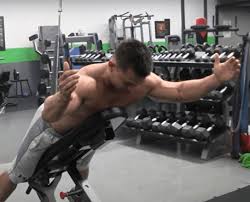
To increase shoulder stability and lessen overuse of the upper traps, prone trap rises target the lower and middle trapezius muscles. Place your arms out in a “Y” shape while lying face down on a mat. Squeeze your shoulder blades together and steadily raise your arms toward the ceiling while maintaining a neutral neck and an active core.
Instead of shrugging your shoulders, concentrate on using your mid-back to move in a controlled manner. Lower your arms back down after holding at the top for a short while. This exercise eases upper trapezius strain and balances shoulder muscle activation.
Wall Angles:
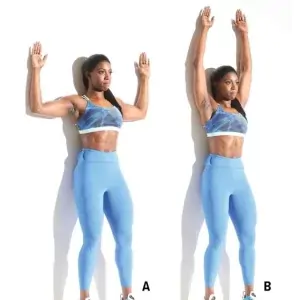
Wall angles are an excellent mobility exercise that opens the chest, engages the upper back, and lessens upper trapezius compensating. Place your head, hips, and back against a wall, then raise your arms to make a “W.” Slide your arms slowly upward into a “Y” shape while keeping your hands, elbows, and wrists as near to the wall as you can.
Then, go back to the beginning. Don’t arch your lower back; instead, keep your spine neutral. This exercise eases tension in the neck and shoulders, strengthens good posture, and increases shoulder mobility.
Isometric Neck Extension:
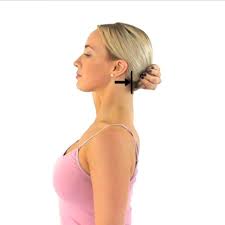
Somatic neck extension is perfect for lowering upper trapezius overload since it strengthens the muscles at the back of the neck without needing movement. Put your hands behind your head while sitting or standing straight.
To prevent any real movement, gently push your head back into your hands while fighting the action. Keep your shoulders loose and your chin slightly tucked. This regulated activation lessens undue pressure on the upper trapezius during daily tasks and increases neck stability.
Isometric Neck Flexion:
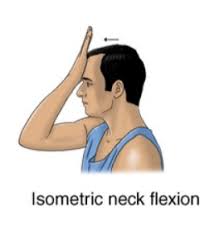
By strengthening the deep neck flexor muscles, isometric neck flexion helps ease upper trapezius stress. Place your fingertips or palm on your forehead while sitting or standing erect. To keep your head motionless, gently press it forward into your hand while fighting the motion.
Avoid raising your shoulders and keep your chin slightly tucked. This exercise reduces pressure on the upper shoulder muscles, promotes better posture, and increases neck stability.
Isometric Neck Side Flexion:
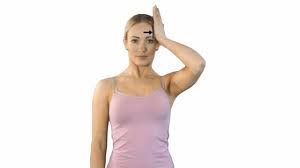
By strengthening the muscles along the side of your neck, isometric neck side flexion helps you rely less on your upper trapezius. Place your hand slightly above your ear on the side of your head while sitting or standing up straight.
Try to gently tilt your head in the direction of your shoulder while using your hand to prevent any real movement. Keep your chin slightly pulled in and your shoulders loose. After five to ten seconds of holding the contraction, switch sides. This exercise eases stress in the upper trapezius region and improves neck stability.
Neck Rotation:
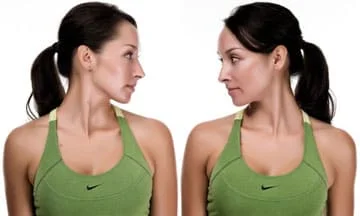
A mild mobility exercise that helps alleviate upper trapezius tightness and enhances neck range of motion is neck rotation. With your shoulders relaxed, take a tall seat or stand. Keeping your chin level and avoiding raising your shoulders, slowly tilt your head to one side as far as is comfortable.
To feel the stretch down the side of your neck, hold the position for a while. This fluid rotation promotes better neck function, improves flexibility, and relieves tension.
Conclusion:
Combining targeted stretches with strengthening and mobility exercises makes it much simpler to relieve upper trapezius pain. These exercises assist in improving posture, easing tense muscles, and increasing stability in the shoulders and neck.
You can avoid stiffness, reduce pain, and promote long-term neck health by practicing them frequently and using proper ergonomics when performing daily tasks. Small daily efforts can result in substantial, long-lasting alleviation, so consistency is essential.
FAQs:
Which sleeping posture is ideal for treating trapezius pain?
Stretched positions often cause aggravation when there is an active upper trapezius strain. As a result, it could be advised to sleep in postures that support a neutral cervical and thoracic spine. A cushion that can support the head without bending the neck laterally should be utilized by those who sleep on their side.
Which exercises are best avoided when using traps?
Avoid workouts that target the size and strength of your trap muscles, such as shoulder shrugs and farmers’ walks. Becourtney suggests keeping proper posture, which is a dynamic stance, while working out.
Can trapezius pain be treated by a chiropractor?
A study found that trapezius muscle pain is present in 59% of individuals with neck and shoulder pain, which may indicate underlying trapezius pain. Chiropractic care is an excellent way to relieve head and neck pain.
How can I massage my trapezius on my own?
Self-Massage of the Trapezius Muscle
Apply circular pressure from the base of your neck and work your way up to your shoulder to massage your trapezius muscle. Apply pressure at a level that is “the good hurt,” meaning it hurts a little but is still pleasant.
What signs indicate injury to the trapezius nerve?
Damage to the trapezius nerve can cause pain, stiffness, and weakness in the arms, shoulders, and neck. It can also cause numbness, tingling, and trouble raising your arm or shrugging your shoulders. Scapular winging, a condition in which the shoulder blade protrudes, can also result from severe damage.
Where does trapezius soreness originate?
A big muscle in the neck and upper back, the trapezius can transfer pain to other parts of the body, including the brain, when it develops trigger points. Trigger points that contribute to headache pain are frequently found in the upper portion of the trapezius, where it joins to the base of the skull.
Can trapezius pain be caused by a lousy pillow?
In short, the answer is yes. Misalignment caused by the incorrect pillow can induce headaches, neck pain, shoulder aches and pains, insomnia, and even numbness in the arms.
Can the pain in the trapezius go away by itself?
Without much medical intervention, a sizable portion of trapezius strains resolve on their own over time. Fortunately, surgery is not necessary for the majority of accidents.
What is upper trapezius persistent pain?
A musculoskeletal condition called trapezius myalgia (TM) causes persistent pain and dysfunction in the upper trapezius. Often categorized under myofascial pain syndrome (MPS), it is a major cause of neck and shoulder pain worldwide that is frequently disregarded in therapeutic practice.
Which is better for treating trapezius pain: heat or ice?
Hot and Cold Therapy
You might use a heating pad or use ice to relieve the pain. Your trapezius muscles may become less inflamed with a cold. Warmth, on the other hand, can promote normal blood flow and reduce the chance of another spasm.
What kind of physician handles pain in the trapezius?
A patient must also decide whether to consult a physician who specializes in non-surgical therapy of musculoskeletal disorders or an orthopedic surgeon. Both physicians might suggest the same initial treatments, such as physical therapy and anti-inflammatory drugs like ibuprofen.
Which sleeping posture is ideal for treating trapezius pain?
Stretched positions often cause aggravation when there is an active upper trapezius strain. As a result, it could be advised to sleep in postures that support a neutral cervical and thoracic spine. A cushion that can support the head without bending the neck laterally should be utilized by those who sleep on their side.
What is the primary reason for pain in the trapezius?
Overuse, bad posture, stress, and recent injuries are frequently the causes of trapezius pain. Soreness and pain can result from a variety of activities, including heavy lifting, repeated motions, hunching over a desk or phone, and tense muscles from stress. A strain or tear may also result from acute trauma from sports, falls, or accidents.
How can your upper trapezius be stretched?
Gently tilt your head toward your shoulder to accomplish an upper trap stretch. Press lightly on the side of your head with your opposing hand to extend the stretch. Secure the opposing shoulder by sitting on your hand or placing your hand on a chair for an even deeper stretch. Hold the stretch for 20 to 30 seconds, then repeat on each side two to three times.
How can the pain in the upper trapezius be lessened?
Rest, the use of cold or heat, mild stretching, and over-the-counter painkillers are some methods of treating upper trapezius pain. Additional choices include getting a massage, utilizing a heating pad, enhancing ergonomics and posture, and carrying out particular exercises. It is advised to get expert medical guidance from a physician or physical therapist for chronic pain.
References:
- Iwinski, D. (2025, April 21). 6 exercises to reduce stress and strain in your neck. IMPACT Physical Therapy. https://www.impactphysicaltherapy.com/6-exercises-to-reduce-stress-and-strain-in-the-neck/
- Stelter, G. (2018, September 29). Stretches to loosen your trapezius muscles. Healthline. https://www.healthline.com/health/fitness-exercise/trapezius-stretches
- Chin Tucks ET. (n.d.). [Video]. Hingehealth. https://www.hingehealth.com/resources/articles/trapezius-pain-exercises/
- Weingus, L. (1970, January 1). The best stretches for targeting tight trapezius muscles. https://www.onepeloton.com/blog/trap-stretches
- Davis, N. (2024, March 13). 19 Exercises to relieve upper back pain, neck pain, and more. Healthline. https://www.healthline.com/health/fitness-exercise/upper-back-pain-exercises