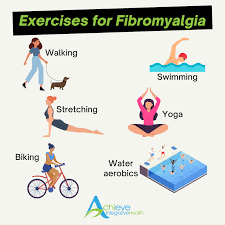
10 Best Exercises for Fibromyalgia
Introduction:
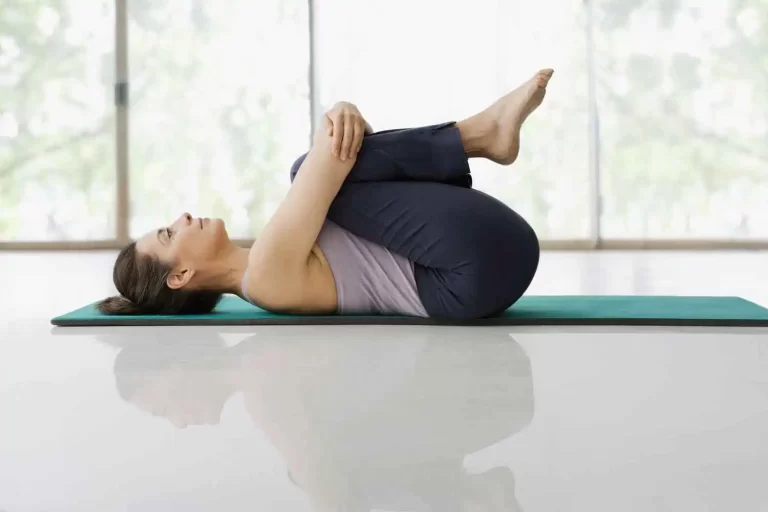
Daily mobility can be difficult for those with fibromyalgia, but the correct activities can greatly lessen pain, stiffness, and exhaustion. Without overtaxing the body, gentle, low-impact workouts help release tense muscles, enhance circulation, and increase vitality.
People with fibromyalgia can enhance their mobility, mood, and long-term relief from persistent pain by engaging in regular, focused activity.
Benefits of Best Exercises for Fibromyalgia:
Frequent, mild exercise helps manage fibromyalgia by alleviating stiffness, decreasing chronic muscle pain, and increasing general flexibility. It improves mood, increases energy, and reduces stress—all of which are critical for controlling flare-ups.
For those with fibromyalgia, regular movement also enhances mobility, strengthens supporting muscles, and improves the quality of sleep, making daily tasks easier and more comfortable.
Best Exercises for Fibromyalgia Video:
Best Exercises for Fibromyalgia:
Neck Rotation:

In order to improve mobility and lessen stiffness that is frequently linked to fibromyalgia, neck rotation is a moderate movement that helps release tense muscles along the sides and back of the neck.
Turning your head slowly from side to side improves neck flexibility, eases stress, and boosts blood flow. This easy workout is a great complement to a regular pain-relieving regimen since it can also aid with headaches and upper shoulder pain.
Cat Cow Stretch:
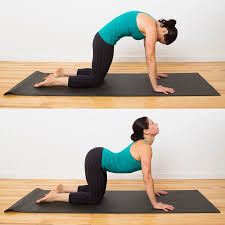
The cat cow stretch is a soft, flowing exercise that releases tension in the shoulders, neck, and back and helps to activate the spine. This exercise boosts circulation to stiff muscles, enhances flexibility, and improves posture by alternating between arching and rounding the spine.
It’s a great addition to a fibromyalgia-friendly regimen because it’s particularly beneficial for relieving persistent back pain and decreasing general body tightness.
Child’s Pose:

Child’s pose is a relaxing stretch that helps to release tense muscles and encourage relaxation by gently lengthening the shoulders, hips, and lower back. This pose eases the strain on the spine and promotes deep, steady breathing that calms the body and mind by allowing the body to fold forward and rest.
It’s a great restorative position for lowering stiffness, easing fatigue, and providing a little respite from the agony associated with fibromyalgia.
Straight Leg Raises:
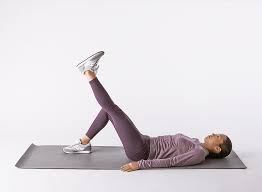
Straight leg raises are perfect for those with fibromyalgia since they strengthen the quadriceps and hip flexors without straining the joints. This exercise promotes improved knee stability, strengthens the lower body, and increases overall mobility by raising the leg while maintaining a straight knee.
Additionally, the deliberate movement improves circulation and lessens stiffness, which lessens pain while going about daily tasks.
Seated Leg Extension:
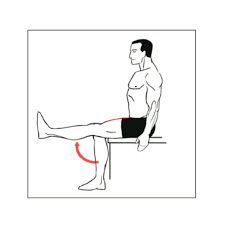
A mild, joint-friendly exercise that supports knee mobility and strengthens the quadriceps is seated leg extensions. This exercise helps increase lower-body stability, lessen stiffness, and make walking or standing more pleasant by gradually extending and lowering the leg from a seated posture. Because it encourages muscular activation without adding needless strain or impact, it’s a great choice for people with fibromyalgia.
Standing March:
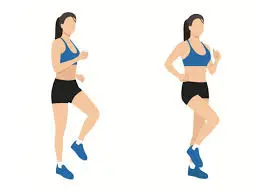
A low-impact workout that enhances hip mobility, core stability, and general circulation is the standing march. This practice is perfect for persons with fibromyalgia because it softly works the leg muscles without adding tension by raising one knee at a time in a controlled marching motion.
Additionally, it promotes smoother, more pleasant everyday movement by warming the body, easing stiffness, and improving balance.
Bridge Pose:
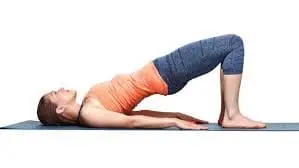
A mild strengthening exercise that works the glutes, lower back, and core, the bridge posture helps ease stress in the spine and enhance general stability. This exercise improves circulation, eases stiffness frequently linked with fibromyalgia, and encourages better posture by raising the hips while keeping the shoulders grounded. Additionally, it supports the lower back and hips, which improves the comfort and control of daily activities.
Bird Dog Exercise:
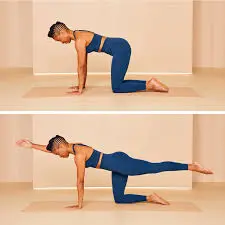
The bird dog exercise is a slow, deliberate action that improves overall balance and stability while strengthening the glutes, lower back, and core. This exercise is perfect for those with fibromyalgia since it reduces back stiffness and improves coordination without adding effort by extending the opposing arm and leg while maintaining a neutral spine.
Additionally, it strengthens the muscles that maintain the spine and encourages better posture, which makes everyday movement easier and more pleasant.
Seated Side Bends:
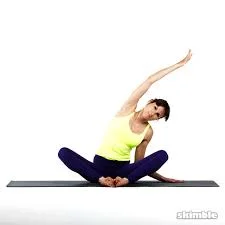
Side bends when seated help alleviate tension in the lower back, ribs, and waist by gradually stretching the muscles along the sides of the torso. This exercise lessens the stiffness that frequently accompanies fibromyalgia, increases core mobility, and improves spinal flexibility.
It is a calming complement to any mild fitness regimen since the gradual side-to-side action promotes deeper breathing and relaxation.
Deep Breathing Exercises:

Exercises involving deep breathing might help relax the neurological system and lessen the tension and stress that are frequently linked to fibromyalgia. You can improve oxygen flow, alleviate tense muscles, and reduce general pain by slowly inhaling through your nose and exhaling through your mouth.
This straightforward exercise is a potent tool for everyday pain alleviation and relaxation since it enhances emotional well-being, increases focus, and aids in fatigue management.
Conclusion:
Including mild, low-impact workouts in your regimen can significantly improve the way you manage the symptoms of fibromyalgia. These exercises support a calmer, more relaxed body, increase energy, enhance flexibility, and lessen pain.
Small, deliberate daily actions can result in long-lasting alleviation and improved general well-being; consistency is crucial.
FAQs:
What is the best way to treat fibromyalgia?
Combining self-care, exercise, and cognitive-behavioral therapy is the most effective way to manage fibromyalgia. However, medicine might also be required. Numerous medications used to treat fibromyalgia function by reducing “pain volume” in the central nervous system (CNS).
For fibromyalgia, who is the best person to see?
Rheumatologists and neurologists who specialize in related illnesses are the finest medical professionals to treat fibromyalgia. A multidisciplinary team, which may include mental health doctors like psychologists or psychiatrists as well as pain management specialists, is frequently the most successful. Your general practitioner, who can offer a recommendation, might be your first point of contact.
How would a rheumatologist treat fibromyalgia?
A pharmaceutical strategy may only be one component of the patient’s entire treatment plan in many fibromyalgia situations. Rheumatologists will work with patients to encourage self-care to assist in managing and decreasing the symptoms of fibromyalgia, which include pain, sleep difficulties, mood disorders, and/or exhaustion.
What would be a suitable present for a fibromyalgia sufferer?
Sleep masks, soothing pillow sprays, and peaceful noise machines are all beautiful and considerate presents for anyone who experiences this ailment. However, sometimes giving your time is the greatest present. Fibromyalgia sufferers frequently need a little additional assistance.
What is frequently mistaken for fibromyalgia?
Fibromyalgia can be mistaken for several rheumatic conditions. These include lupus, polymyalgia rheumatica, Lyme disease, ankylosing spondylitis, and seronegative rheumatoid arthritis. They have joint involvement in addition to symptoms of generalized pain. Medication and physical therapy are used to treat the majority of rheumatic diseases.
Where should fibromyalgia tens pads be placed?
Two electrodes are typically placed on either side of the spine, just at the tops of the shoulder blades, and two more electrodes are placed on either side of the lower back when using a TENS unit for fibromyalgia (see illustration here). The broad nerve pain that is a hallmark of fibromyalgia is the goal of this placement.
Which virus is responsible for fibromyalgia?
A number of viruses, including Epstein-Barr virus (EBV), hepatitis C (HCV), and human herpesviruses (HHV-6 and HHV-7), are linked to the development of fibromyalgia or a worsening of existing symptoms, even though no single virus has been conclusively shown to cause the condition. These viral infections are regarded to be a potential cause of fibromyalgia, possibly as a result of the body’s aberrant reaction to the infection or the strain they place on the system.
What is fibromyalgia’s underlying cause?
An occurrence that results in either physical or emotional (psychological) stress frequently sets off fibromyalgia. Serious injuries, such as those sustained in an automobile accident, are examples of potential triggers. an infection, like Lyme disease or the Epstein-Barr virus.
How does a fibromyalgia sufferer’s poor day feel?
Clumsiness, dizziness, feeling too hot or cold, painful periods, restless legs syndrome, and tingling or numbness in the hands and feet are all possible symptoms of fibromyalgia. Sleep deprivation and daily pain can lead to issues at work and at home.
For fibromyalgia, which muscle relaxant works best?
Cyclobenzaprine (Flexeril) and tizanidine (Zanaflex) are common muscle relaxants for fibromyalgia that are frequently used in small dosages to enhance sleep and ease pain and stiffness. Amitriptyline and anti-seizure drugs, such as milnacipran and duloxetine, may also be recommended. Because muscle relaxants might have negative effects and drug interactions, a doctor’s consultation is necessary to establish the best option for an individual.
What is the fibromyalgia massage technique?
Swedish massage
Long, flowing strokes and circular motions are used on the superficial muscles in this mild and calming massage style. The blood circulation and oxygen flow required for muscle healing are enhanced by these mild motions. For fibromyalgia sufferers who could be touch-sensitive, this method is perfect.
For fibromyalgia, what kind of physician is best?
Rheumatologists and neurologists who specialize in related illnesses are the finest medical professionals to treat fibromyalgia. A multidisciplinary team, which may include mental health doctors like psychologists or psychiatrists as well as pain management specialists, is frequently the most successful. Your general practitioner, who can offer a recommendation, might be your first point of contact.
What is fibromyalgia’s last stage?
Severe and incapacitating symptoms characterize the last stage of fibromyalgia. Patients may be unable to do even the most basic duties due to exhaustion and excruciating pain.
How can the muscles of fibromyalgia be relaxed?
Tai chi and yoga are examples of gentle movement exercises that might alleviate pain associated with fibromyalgia. Making time for self-care is crucial if you have fibromyalgia. It is a chronic (long-lasting) disorder that results in body-wide muscle soreness and pain.
Which activities should I stay away from if I have fibromyalgia?
Heavy Lifting: Avoid excessive muscle tension when performing your everyday workout. Avoid lifting heavy objects as this might cause muscle strain and flare-ups of fibromyalgia. To safely strengthen muscles, ask for help, make use of assistive technology, or engage in mild resistance training.
References:
- Fibromyalgia-Friendly exercises. (n.d.). WebMD. https://www.webmd.com/fibromyalgia/ss/slideshow-fibromyalgia-friendly-exercises
- Busch, A. J., Webber, S. C., Brachaniec, M., Bidonde, J., Bello-Haas, V. D., Danyliw, A. D., Overend, T. J., Richards, R. S., Sawant, A., & Schachter, C. L. (2011). Exercise therapy for fibromyalgia. Current Pain and Headache Reports, 15(5), 358–367. https://doi.org/10.1007/s11916-011-0214-2
- Fibro-friendly exercise – American Fibromyalgia Syndrome Association (AFSA). (2025, August 23). American Fibromyalgia Syndrome Association (AFSA). https://www.fibromyalgiafund.org/fibro-friendly-exercises/
- MoreGoodDays. (2024, August 30). Gentle Fibromyalgia Exercises for Pain Management & Flexibility. https://www.moregooddays.com/post/gentle-fibromyalgia-exercises-for-pain-management-flexibility
- Villines, Z. (2023, July 27). Best exercises for fibromyalgia. https://www.medicalnewstoday.com/articles/321506