Anterior Longitudinal Ligament
Introduction The anterior longitudinal ligament is a robust band of connective tissue that runs down the front of the spinal column’s vertebral bodies. It prevents excessive movement and protects against…
Introduction The pubofemoral ligament is a strong, triangular ligament located on the anterior side of the hip joint. It connects the pubic bone to the femur and helps prevent excessive…
Introduction The iliofemoral ligament, also known as the Y-ligament of Bigelow, is a strong, triangular ligament that connects the ilium to the femur. It is located at the front of…
What is a Annular Ligament Injury? An annular ligament injury involves damage to the strong band of tissue that encircles the head of the radius, securing it to the ulna…
Introduction The annular ligament is a strong, circular band of fibrous tissue that wraps around the head of the radius, securing it to the ulna at the proximal radioulnar joint.…
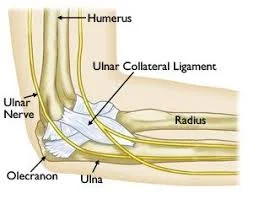
Introduction The radial collateral ligament (RCL) is a strong, fibrous band located on the lateral side of the elbow joint. It connects the lateral epicondyle of the humerus to the…
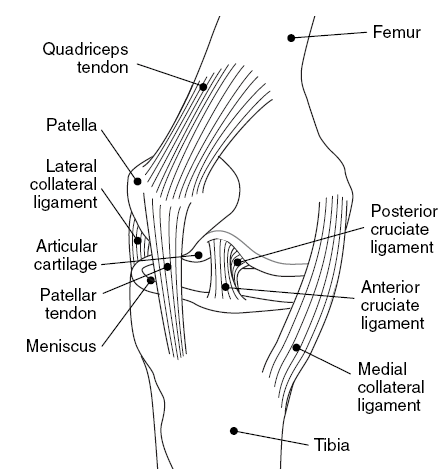
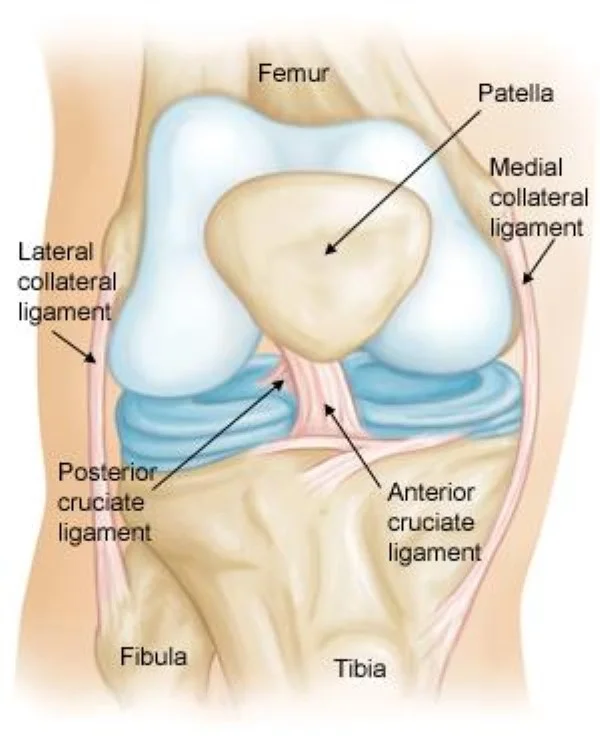
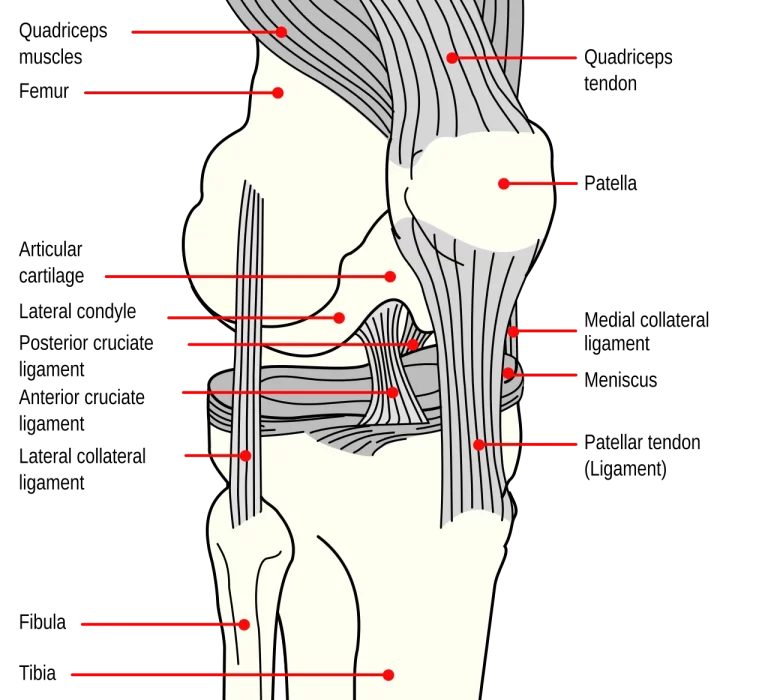
Introduction The Posterior Cruciate Ligament (PCL) is one of the four major ligaments in the knee, located at the back of the joint. It connects the femur (thigh bone) to…
Introduction The Anterior Cruciate Ligament (ACL) is a key ligament located in the knee joint, connecting the femur (thigh bone) to the tibia (shin bone). It provides stability by preventing…
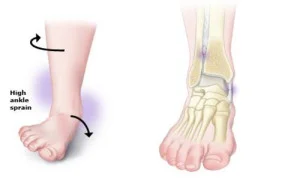
A High Ankle Sprain: What is it? A high ankle sprain is caused by tearing or injuring the high ankle ligaments that connect the tibia and fibula. A sprain occurs…
Introduction The Medial Collateral Ligament (MCL) is a band of tissue located on the inner side of the knee, connecting the femur (thigh bone) to the tibia (shin bone). It…