9 Best Bodyweight Exercises for Total Fitness
Introduction:
Simple yet incredibly powerful movements, the Best Bodyweight Exercises for Total Fitness use your own body weight to increase your strength, endurance, flexibility, and balance. For individuals of all fitness levels, these workouts are convenient and accessible because they don’t require any special equipment.
Bodyweight exercises support fat loss, increase cardiovascular health, improve overall muscular tone, and improve core stability by working numerous muscle groups simultaneously. Bodyweight training provides a convenient and effective method of reaching total physical fitness at any time and from any location, regardless of your level of experience or interest in fitness.
9 Best Bodyweight Exercises for Total Fitness Video:
Best Bodyweight Exercises for Total Fitness:
Push-ups:
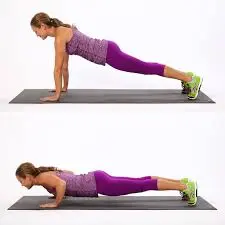
One of the best bodyweight exercises for strengthening the upper body and core is the push-up. In addition to using the core, lower back, and even the glutes for stability, this traditional exercise mainly works the chest, shoulders, and triceps.
Push-ups strengthen the muscles that stabilize the shoulders, which promotes improved posture, increases functional strength, and increases muscular endurance. This workout works your triceps, shoulders, and chest.
Squats:
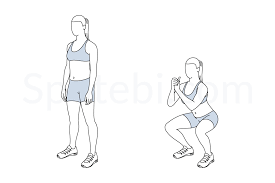
One of the most effective bodyweight exercises for increasing general fitness and lower-body strength is the squat. Although the quadriceps, hamstrings, and glutes are the main muscles worked in this compound movement, the core and lower back are also used for stabilization.
By enhancing mobility, balance, and coordination, squats make routine tasks like standing, sitting, and lifting safer and easier. Squats strengthen your buttocks, hips, and thighs.
Pull-ups:
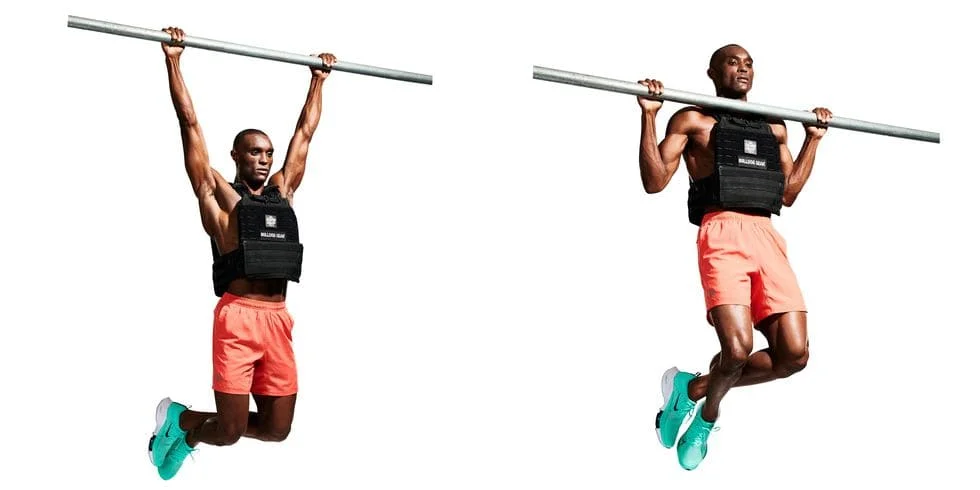
A very powerful upper-body bodyweight exercise, pull-ups work the back, shoulders, and biceps in addition to using the core for support. This compound exercise strengthens the lats (latissimus dorsi), increases grip strength, and strengthens the upper body’s pulling ability overall.
Pull-ups are a great way to build muscle endurance and balance the strength of your front and back muscles.
Lunges:
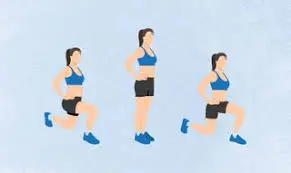
A great lower-body bodyweight exercise, lunges work the quadriceps, hamstrings, glutes, and calves while also using the core for stability and balance. By enhancing unilateral strength, flexibility, and coordination, this functional exercise helps to address muscular imbalances between the legs. Lunges work your glutes, hips, and thighs.
Plank:
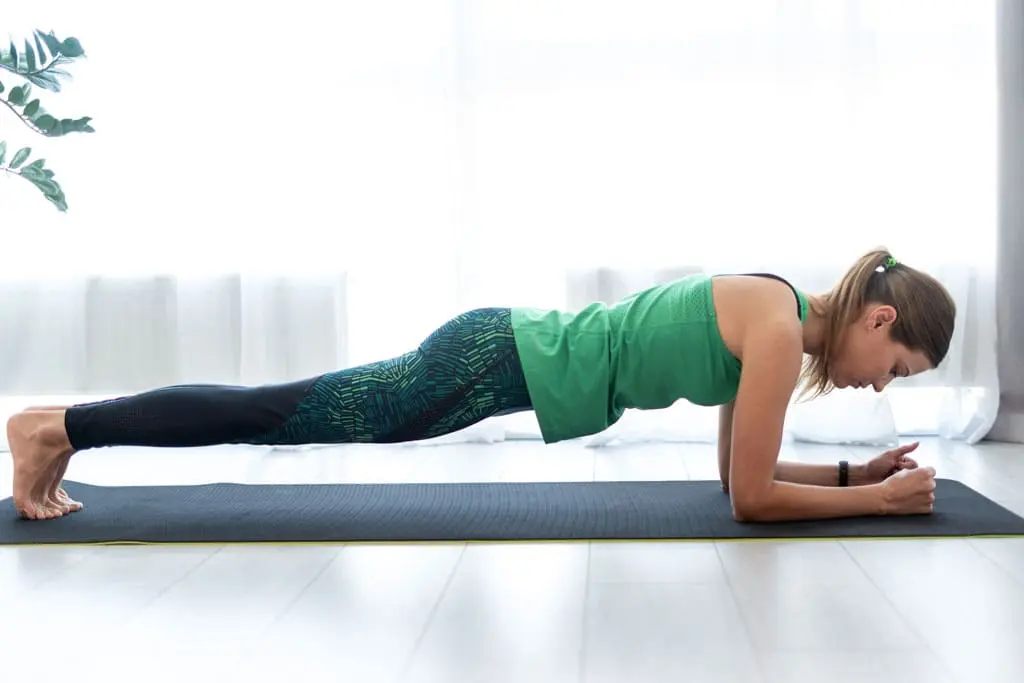
A plank is a very powerful bodyweight exercise for strengthening the core that works the shoulders, glutes, lower back, and abdominal muscles. No equipment is needed for this isometric exercise, which strengthens the core, corrects posture, and improves balance in general. The deep core muscles that support the spine and help avoid back problems are strengthened by the plank, which keeps your body in a straight line from head to heels. Planks improve your back, shoulders, and core strength.
Mountain climbers:
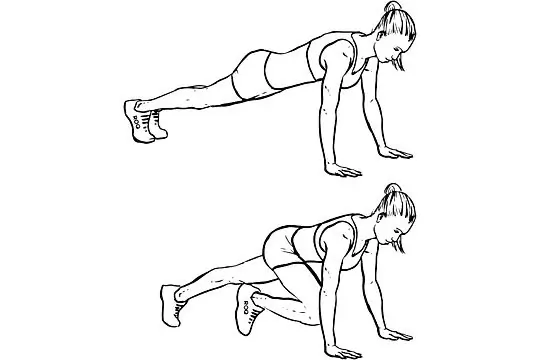
The dynamic full-body bodyweight exercise known as “mountain climbers” combines aerobic conditioning with core development. This exercise is great for burning fat and developing endurance because it strongly raises heart rate while focusing on the arms, legs, shoulders, and abdominal muscles.
Coordination, agility, and general functional strength are also enhanced by mountain climbers. Mountain climbers strengthen your shoulders, quadriceps, and core.
Glute bridges:
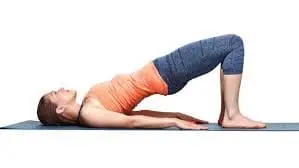
Glute bridges are a powerful lower-body, bodyweight exercise that works the hamstrings, lower back, and core in addition to the glutes. The posterior chain is strengthened, hip stability is increased, and lower back pain from extended sitting is lessened with this exercise. Additionally, glute bridges improve athletic performance by bolstering improved posture and hip power. This workout works your hamstrings and glutes.
Bird Dog Exercises:
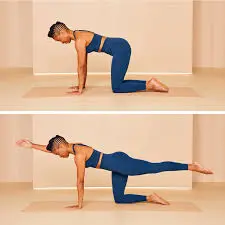
Bird Dog exercises are a great way to increase balance, coordination, and core stability. This bodyweight exercise improves spinal alignment while focusing on the shoulders, glutes, lower back, and core muscles.
Bird Dog is particularly useful for preventing and treating lower back pain because it strengthens the deep stabilizing muscles that support the spine.
FAQs:
Which exercise is the only one that works the entire body?
The deadlift would be our first choice if we could only do one exercise to build complete body strength. In addition to training almost all of your major muscle groups, such as your glutes, hamstrings, quadriceps, back, core, and even grip, it also replicates movement patterns found in everyday life, such as lifting, bracing, and stabilizing.
How can one boost their stamina the quickest?
Combining regular, lower-intensity aerobic exercise with high-intensity interval training (HIIT) for cardiovascular strength and important lifestyle choices like adequate hydration, a balanced diet (lean protein, complex carbohydrates), enough sleep, and stress management to promote endurance and recovery is the quickest way to boost stamina. The ability of your heart, lungs, and muscles to withstand stress is quickly increased by short bursts of high-intensity exertion followed by rest, as well as by properly nourishing and resting.
Which all-around workout is the best?
One excellent all-around physical activity is swimming. Swimming on a regular basis has been shown to lower your risk of developing major conditions, including diabetes and heart disease.
Which time of day is ideal for working out?
Your goals will determine the best time to work out, but mornings are best for consistency and weight loss, while afternoons (2 PM to 6 PM) are best for building muscle because of higher body temperature and hormone levels. In the end, the most effective time is the one you can maintain consistently for long-lasting effects.
What kind of exercise works the whole body?
The following are some of the best workouts that engage the entire body: Burpees: An intense workout that blends a jump, push-up, and squat into a single, powerful motion. Squats: Whether done with bodyweight or additional resistance, squats work the quadriceps, hamstrings, glutes, and core.
Which body part is the most difficult to build muscle in?
For two reasons, the calves are thought to be among the hardest muscles to develop. It is more difficult to promote further development when people already have a certain level of calf development. endurance. They therefore contain a large percentage of slow-twitch muscle fibers.
Which exercises target every muscle?
It’s crucial to concentrate on workouts that work several muscle groups simultaneously. Think of incorporating these basic actions: Squats: Excellent for simultaneously working your glutes, hamstrings, and quadriceps. An all-star exercise for the hamstrings, glutes, and lower and upper back is the deadlift.
Which exercise is the greatest of all?
Though there isn’t a single “king” exercise, the squat, deadlift, and occasionally the bench press are frequently referred to as the “kings” because they target large muscle groups, increase general strength, and enhance functional fitness. Squats and deadlifts are particularly popular as the first exercises for building strength and body. Burpees are regarded as a top competitor for at-home fitness, while deadlifts test full-body strength and squats develop lower-body and core strength.
Which five fundamental workouts are they?
Squats, push-ups, lunges, planks, and deadlifts (also known as RDLs) are five simple, efficient exercises that address key movement patterns. They provide a full-body strength regimen by focusing on core stability, upper and lower body push/pull, and lower body push/pull, hence enhancing strength for everyday life.
Which five exercises are fundamental to calisthenics?
Push-ups (pulling), pull-ups (pulling), squats (legs/hips), lunges (legs/balance), and planks (core) are the five basic calisthenics exercises that establish a solid foundation. Some sources additionally include dips or burpees. These exercises, which don’t require any special equipment, include pressing, pulling, squatting, hinging, and core stabilization.
References:
- Nakpro, S. (2025, March 14). Best Exercises for Full-Body Strength and Conditioning. NAKPRO NUTRITION. https://nakpro.com/blogs/blog/best-exercises-for-full-body-strength-and-conditioning?srsltid=AfmBOooQF_3WQc5_P4BxJ120-HRK3rqgr-NcSpvayvkKrWoYVSJzrRQB
- How to get a Full-Body workout at home without any equipment. (2025, October 28). TODAY.com. https://www.today.com/health/strength-training-exercises-your-home-workout-no-gym-needed-t192702
- Cpt, L. B. (2026, January 29). 9 Total body Exercises (35-Minute strength + steps). Nourish, Move, Love. https://www.nourishmovelove.com/total-body-exercises/
- Lopez, R. (2025, April 30). I’m a Peloton Strength Instructor, and These Are My Favorite Bodyweight Training Moves. https://www.onepeloton.com/blog/bodyweight-exercises
- Cscs, D. P. R. (2024, September 2). Workout routines for men: How to reach your fitness goals. Healthline. https://www.healthline.com/nutrition/workout-routine-for-men