
Best Exercises for Shoulder Pain
Introduction:
Everyday tasks like reaching, lifting, and even sleeping might be painful due to shoulder pain. The muscles that support the shoulder joint can be strengthened, stiffness can be decreased, and mobility can be increased by including easy and efficient exercises.
These exercises are intended to enhance long-term shoulder health, reduce stress, and gently restore flexibility.
Benefits of Best Exercises for Shoulder Pain:
Regular shoulder workouts can improve general joint function, increase flexibility, and lessen pain. These exercises promote improved posture, boost stability, and strengthen the muscles surrounding the shoulder.
Additionally, they facilitate quicker healing, increase blood flow to the area, and lessen stiffness. Regular practice can eventually increase shoulder range of motion, reduce the risk of further injuries, and make daily tasks more pleasant and easy.
Best Exercises for Shoulder Pain Video:
Best Exercises for Shoulder Pain:
Pendulum Exercise:
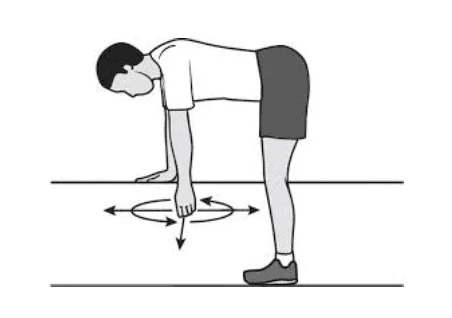
The pendulum exercise is a mild movement that relieves pain and tense shoulder muscles without straining the joint. Lean forward and allow the affected arm dangle freely while supporting yourself with one hand on a table or chair.
Using your arm’s weight rather than your shoulder muscles, slowly swing the arm in small circles, both forward and backward and side to side. This exercise reduces shoulder stiffness, increases blood flow, and enhances mobility.
Wall Walk:

A straightforward mobility exercise that helps increase shoulder flexibility and lessen stiffness is the wall walk. Keeping your shoulder relaxed, “walk” your fingers as high as you can comfortably while facing a wall.
After a brief moment of holding at the top, carefully move your fingers back down. Without producing effort, this deliberate movement helps improve shoulder function, stretch tense muscles, and expand range of motion.
Shoulder Rolls:

Shoulder rolls are a mild mobility exercise that helps release tense muscles, enhance circulation, and ease stress in the upper neck and shoulder region. To execute them, slowly move your shoulders upward, then back, down, and forward in a smooth circular motion while sitting or standing upright.
After a few repetitions, change the direction. This exercise improves posture, eases stiffness, and gets the shoulder joint ready for more complex motions.
Scapular Retraction:
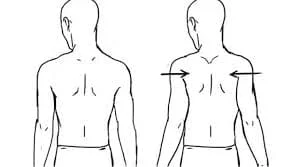
A straightforward yet powerful exercise that strengthens the muscles surrounding your shoulder blades and enhances posture is scapular retraction. Pull your shoulder blades slightly back and down as if you were trying to tuck them into your back pockets while standing or sitting upright.
After a few seconds of holding, let go. This exercise promotes healthy upper body alignment, increases stability, and lessens shoulder pain.
Cross-body shoulder stretch:
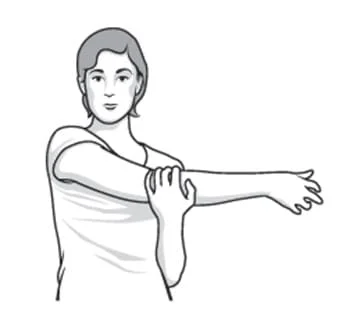
The cross-body shoulder stretch increases flexibility and eases back shoulder tension. Bring one arm across your chest and use your opposing hand to gradually draw it closer. Avoid raising your shoulders; instead, keep them relaxed.
In addition to improving shoulder mobility and reducing stiffness, this exercise is particularly beneficial for releasing tension caused by overuse or bad posture.
Conclusion:
Incorporating these basic and effective shoulder exercises into your program will help reduce pain, improve flexibility, and strengthen the muscles that support your shoulder joint.
It’s important to be consistent because doing these exercises on a daily basis improves mobility, lessens stiffness, and helps avoid further injuries. Always listen to your body and progress gently to ensure safe and long-lasting relief.
FAQs
What is the quickest way to treat pain at home?
A hot bath or a frozen bag of peas can sometimes provide relief. This is due to the fact that frequently applying heat and cold helps relieve neck pain, back strains, joint pain, and other kinds of pain.
Which anti-inflammatory medication works best for shoulder pain?
By lowering inflammation in the shoulder joint, nonsteroidal anti-inflammatory medicines, or NSAIDs, help alleviate shoulder pain. Two NSAIDs that doctors frequently prescribe include ibuprofen and naproxen.
How many physiotherapy sessions for shoulder pain?
Four to six sessions are usually needed, though this could be much longer or shorter. To help you start moving your shoulder more comfortably again, your practitioner will lead you through a series of stretches and other exercises.
Why won’t my shoulder pain go away?
If your shoulder pain doesn’t go away, you should consult a doctor for a proper diagnosis. Possible causes include bursitis, arthritis, or a torn rotator cuff. You can attempt mild at-home treatments, including using ice, resting the shoulder, and using over-the-counter painkillers while you wait for your appointment, but stay away from activities that make the pain worse.
How may sleeping on one’s side during pregnancy help shoulder pain?
By supporting your hips and upper body while you sleep on your side, a pregnant cushion can help reduce the strain on your shoulders. Heat or Cold Therapy: Tight muscles can be relaxed and pain reduced by applying a warm compress or heating pad to the area that is affected.
What is the location of shoulder tip pain?
An uncommon pain that occurs where your shoulder stops and your arm begins is called shoulder tip pain. It may be an indication of an ectopic pregnancy producing some internal bleeding, albeit the specific cause is unknown. If you encounter this, you should consult a doctor immediately.
How can I determine whether shoulder pain is severe?
If shoulder pain is severe, chronic (lasting more than two weeks), or accompanied by symptoms such as a deformity, arm immobility, considerable swelling, numbness, tingling, weakness, or indications of infection (fever), it is considered serious. If your pain interferes with your everyday activities, gets worse over time, or doesn’t go away with rest and at-home therapy, you should consult a doctor.
What could be a warning sign of shoulder pain?
An infection or inflammatory condition may be indicated by swelling, redness, and warmth surrounding the shoulder joint, particularly if fever is present. To prevent major health hazards, these symptoms should not be disregarded and call for immediate medical intervention.
How can shoulder pain be treated the quickest?
Rest your shoulder and apply heat or ice to reduce pain and swelling for immediate relief. NSAIDs and acetaminophen, two over-the-counter painkillers, can also be beneficial. Mobility can be increased with gentle stretches like the pendulum exercise, but stay away from any motions that make your pain worse.
How may shoulder physiotherapy be done at home?
Pendulum swings, scapular squeezes, and stretches with a towel or resistance band are examples of at-home physiotherapy exercises for shoulder pain. Always work out carefully, stop if you experience severe pain, and try to keep your pain level between 0 and 5 out of 10.
Can exercising relieve shoulder pain?
Exercises for strength and mobility can frequently aid increase joint flexibility and lessen shoulder pain. An estimated 18–26% of adults experience shoulder pain, which is a common complaint.
When should pregnant women be concerned about shoulder pain?
Any indications of an ectopic pregnancy or preeclampsia should be reported immediately to a physician. Get medical help right away if you experience extreme, sudden pain or weakness, which could be in your shoulder. Additionally, before attempting novel therapies for shoulder pain, speak with a physician.
Which kind of exercise is most effective for shoulder pain?
You can do gentle arm circles, reach side to side, or raise your arms lightly overhead. Another option is doorway stretches, which include standing in a doorway with your arms at shoulder height and slowly leaning forward until your shoulders and chest start to stretch. Hold for 15 to 30 seconds.
References:
- Cronkleton, E. (2025a, February 28). Top 10 exercises to relieve shoulder pain and tightness. Healthline. https://www.healthline.com/health/shoulder-pain-exercises
- Rotator cuff and shoulder conditioning program – OrthoInfo – AAOS. (n.d.). https://orthoinfo.aaos.org/en/recovery/rotator-cuff-and-shoulder-conditioning-program/
- NHS inform. (2025b, August 27). Exercises for shoulder muscle and joint problems | NHS inform. NHS Inform. https://www.nhsinform.scot/illnesses-and-conditions/muscle-bone-and-joints/arm-shoulder-and-hand-problems-and-conditions/exercises-for-shoulder-problems
- Exercises for Shoulder Pain. (2025, June 10). British Elbow & Shoulder Society. https://bess.ac.uk/exercises-for-shoulder-pain/
- Harvard Health. (2024, August 1). 7 stretching & strengthening exercises for a frozen shoulder. https://www.health.harvard.edu/stretching-exercises-frozen-shoulder
- Tracey, A. (2025, July 25). 13 Best dumbbell shoulder Exercises. Men’s Health. https://www.menshealth.com/uk/fitness/a61944804/best-dumbbell-shoulder-exercises/
- Ocs, N. H. P. D. (2023, April 4). Exercises for Shoulder Impingement, from a PT. Hospital for Special Surgery. https://www.hss.edu/health-library/move-better/exercises-shoulder-impingement