7 Best Wrist Exercises for Computer Users to Prevent Pain
Introduction:
Productivity and connectivity have greatly benefited from smartphones, PCs, and tablets. However, using these gadgets on a regular basis can lead to repetitive, frequently uncomfortable hand and wrist movements that can occasionally produce pain or stiffness.
Keeping your hands and wrists strong and flexible is crucial if you use a computer, tablet, or smartphone on a regular basis. You may be able to lower your risk of injury and avoid or relieve pain by regularly stretching your hands and wrists.
Why exercises and stretches help wrist pain:
Your range of motion eventually becomes limited due to pain and inflammation caused by overuse of your wrist tendons. However, you can regain your complete range of motion by strengthening and lengthening your wrist muscles with specific exercises and stretches. Exercises for your wrists can also help reduce pain.
Do these exercises and stretches only if you can move your wrist without experiencing severe pain. If your pain level is higher than a 3 or 4 on a scale of 1 to 10, you should consult a doctor rather than trying to manage it on your own.
7 Best Desk Stretches to Prevent Wrist Pain:
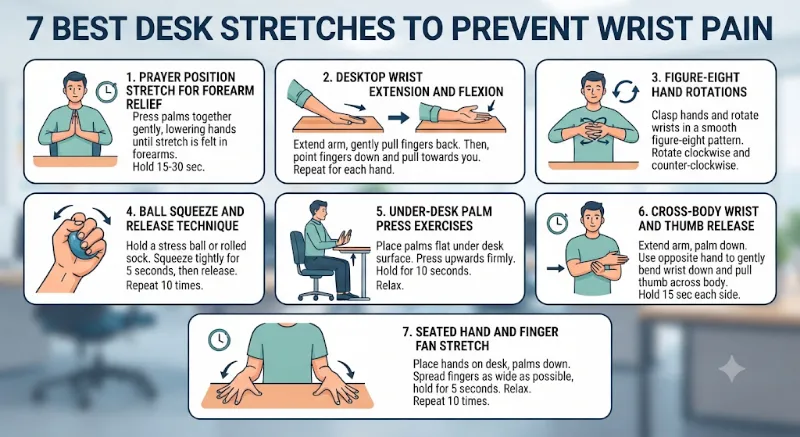
Simple desk stretches done throughout the day can help office workers avoid wrist strain. Figure-eight hand rotations, desktop wrist extension and flexion exercises, and the prayer posture stretch for forearm relief are important movements.
Other techniques, such as finger fan stretches, cross-body releases, ball squeezes, and under-desk palm pushes, offer strong protection against repetitive strain injuries. These research-proven exercises improve wrist strength and flexibility over time while providing immediate relief. The following specific methods will turn routine desk work into a chance to avoid injuries.
Prayer Position Stretch for Forearm Relief:
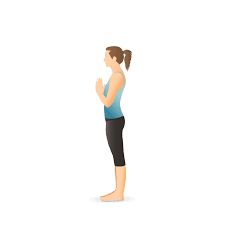
- The Prayer Position Stretch provides a useful way to relieve wrist and forearm tension caused by extended desk labor.
- In order to stretch the forearms, this technique starts with the palms together in front of the face, much like in a prayer position, and then gradually lowers the hands toward the belly button.
- Practitioners should hold the position for 30 seconds with pressure between the elbows and forearms to optimize the effects.
- To ensure appropriate muscle elongation and improved flexibility, repeat the stretch three to five times.
- This stretch, which is especially helpful for people who perform repetitive tasks, can be regularly included in daily routines to help prevent wrist pain and reduce tension in the forearm area.
- This easy-to-do stretch is a great way to keep your forearms healthy while working at a desk. To release deeper muscle tension, combine this stretch with trigger point therapy procedures for best results.
Desktop Wrist Extension and Flexion:
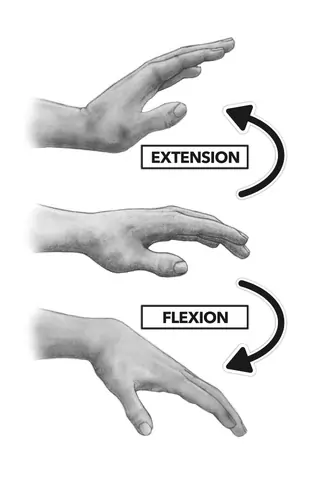
- Desktop wrist extension and flexion exercises are straightforward yet effective, targeting the vital muscles and tendons that are frequently strained when using a keyboard and mouse.
- These workouts involve controlled movements that increase wrist joint range of motion and flexibility.
- The extension stretch involves extending the arm forward with the palm pointing downward and then gradually bending the wrist till the fingers point downward.
- The wrist bends to point fingers toward the floor during the flexion stretch, with the palm facing upward.
- The opposing hand applies light pressure to deepen the stretch in both movements.
- Throughout the day, repeat each stretch three to five times, holding it for ten to twenty seconds each time.
- This regular practice keeps the wrists’ circulation healthy and helps avoid pain when working at a desk for extended periods of time.
Figure-Eight Hand Rotations:
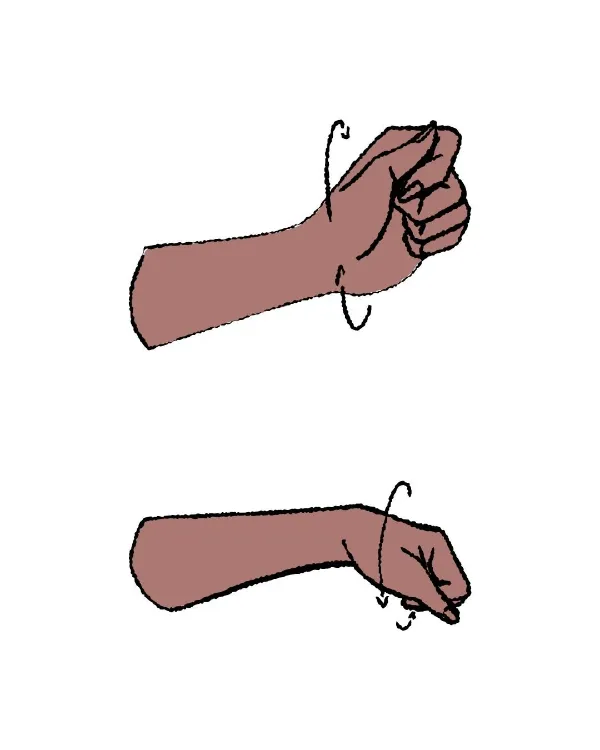
- In addition to standard extension and flexion exercises, figure-eight hand rotations provide a dynamic approach to wrist fitness.
- This method successfully targets several wrist and hand muscle groups by interlacing the fingers and moving the hands in a fluid figure-eight pattern.
- The exercise is an effective complement to any work program because it takes 10 to 15 seconds to do.
- Frequent practice of figure-eight hand rotations lowers the incidence of repetitive strain injuries while increasing wrist circulation and flexibility.
- Because it improves hand coordination and relieves stiffness, this exercise is especially helpful for people who spend a lot of time typing.
- These stretches can assist in maintaining optimal wrist function throughout the day and prevent work-related injuries when combined with prehabilitation programs.
Ball Squeeze and Release Technique:

- One particularly effective way to improve joint health and strengthen wrist and hand muscles is the ball squeeze and release technique.
- This workout, which can be done at any workplace, calls for basic yet efficient movements using a tennis or stress ball.
- The method is holding the ball tightly for five to ten seconds, then releasing it ten to fifteen times.
- This systematic strategy increases vital grip strength and enhances blood circulation throughout the hand and wrist.
- Including this exercise in their daily practice will help professionals who routinely perform repetitive hand movements to avoid injury and reduce joint tension.
- Frequent practice improves flexibility and endurance, which is especially beneficial for office workers who want to minimize the risk of repetitive strain injuries while maintaining optimal hand and wrist health.
- Comprehensive care for continued musculoskeletal health can be obtained by combining this exercise with individualized treatment regimens from licensed physiotherapists.
Under-Desk Palm Press Exercises:
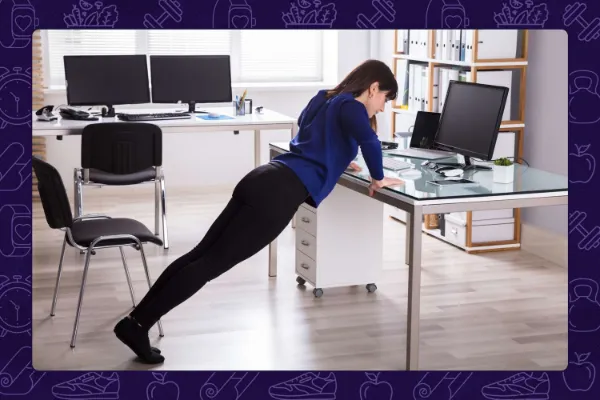
- Wrist muscles can be specifically relieved and strengthened by pressing palms up on the underside of the desk.
- Exercises for under-desk palm presses entail placing the hands face-up beneath the work surface and applying constant pressure for five to ten seconds at a time.
- To avoid overdoing it, these stretching exercises can be done in sets of five repetitions throughout the workday, with short rest intervals in between.
- Frequent practice increases wrist stability and blood circulation, which is very helpful when typing or using a computer for extended periods of time.
- Palm presses work particularly well as a preventative measure against wrist pain when incorporated into a daily routine.
- Because of its ease of use and accessibility, the exercise is a great option for office workers who want to keep their wrists healthy while working.
Cross-Body Wrist and Thumb Release:

- The Cross-Body Wrist and Thumb Release is a straightforward yet incredibly powerful exercise that works vital muscles and tendons that are frequently strained when using a computer.
- This stretch improves flexibility and eases tension in areas that are frequently impacted by repetitive movements.
- Stretch one arm horizontally across the body at shoulder height to execute the cross-body wrist and thumb release.
- To get a deeper stretch, gently pull back on the outstretched thumb with the other hand.
- To ensure a painless and comfortable pulling experience, hold this position for 15 to 30 seconds.
- On the other side, repeat the same procedure.
- Frequent use of this stretch can help prevent and reduce the symptoms of repetitive strain injuries and carpal tunnel syndrome.
- This stretch improves wrist mobility and lessens stiffness for office workers who type or use a mouse on a regular basis.
- If wrist pain doesn’t go away with frequent stretching, think about getting a physiotherapy evaluation.
Seated Hand and Finger Fan Stretch:

- For desk workers who are experiencing hand tiredness and stiffness, the Seated Hand and Finger Fan Stretch, which is designed for maximum hand flexibility, offers vital relief.
- Sitting comfortably with your elbows at your sides, you can execute controlled hand and wrist exercises in this straightforward but powerful exercise.
- Stretch your arms forward, palms up, to correctly extend your fingers. In a fan-like motion, extend your fingers straight outward, then draw them back together.
- To maximize relaxation, continue this stretching motion for ten to fifteen seconds while taking deep breaths. Those who regularly type or use computer mice during the workday will find the exercise very beneficial.
- Maintaining optimal hand mobility for extended desk work and preventing repetitive strain injuries can be achieved with regular practice of this stretch.
Benefits of stretching:
Frequent stretching may offer several advantages, including:
- Increasing the range of motion
- Reducing stiffness in the muscles; reducing the chance of damage and managing conditions like carpal tunnel syndrome.
Stretching should be done consistently and slowly in order to benefit from the greatest advantages.
Conclusion:
These seven specific desk exercises can significantly lessen wrist pain and help avoid repetitive strain injuries, which are frequent among office workers. People can reduce strain in their forearm muscles and maintain improved wrist flexibility and strength by including these easy exercises in their everyday work routines. Although these exercises take little time, they have a significant positive impact on wrist health and comfort at work.
FAQs:
How to reduce wrist pain when using a computer?
You must modify the ergonomics of your desk, alter your typing patterns, and include regular stretches in order to reduce and prevent computer-related wrist pain.
What are some good wrist stretches for computer users?
Stiffness, fatigue, and repeated strain in your wrists and forearms can result from prolonged typing and mouse use. Simple workplace stretches can help maintain joint flexibility and reduce pain.
Which exercise is best for the wrist?
The combination of dumbbell wrist curls and reverse wrist curls is generally regarded as the most effective foundational exercise for developing wrist and forearm strength and stability.
How to help wrist pain from a desk job?
By maintaining your wrists in a neutral, straight position, improving the ergonomics of your workspace, and taking regular mobility breaks, you may relieve desk-related wrist pain.
Can I do wrist exercises every day?
Yes, as long as you pay attention to your body and maintain a low level of intensity, you can perform modest wrist mobility, range-of-motion, and gentle stretching activities every day. However, rest days are typically necessary for strenuous wrist-strengthening workouts like weighted curls or demanding resistance training.
Why do my hands hurt when I use a computer?
Computer-related hand pain usually comes from nerve compression such as carpal tunnel syndrome, muscle fatigue, or repetitive strain injuries (RSIs).
What are some exercises for wrist pain caused by using the computer?
Repetitive computer and computer use can create wrist and hand pain, which can be prevented and relieved with targeted stretches and strengthening exercises.
What causes weak wrists?
Rather than an error in the wrist joint itself, which is made up of bones, joints, and tendons rather than muscles, weak wrists are typically caused by imbalances in the forearm muscles, inactivity, or repetitive strain.
References:
- Fort HealthCare & Fort HealthCare. (2023, October 24). Hand and wrist stretches for computer and smartphone users. Fort HealthCare. https://www.forthealthcare.com/hand-and-wrist-stretches-for-computer-and-smartphone-users/
- Clinic. (2023, November 24). 11 Exercises and stretches for wrist pain. Cleveland Clinic. https://health.clevelandclinic.org/wrist-pain-exercises
- Le, K. (n.d.). 7 Best desk stretches to prevent wrist Pain. Hyper Health Allied Health Care. https://www.hyperhealth.com.au/blog/7-best-desk-stretches-to-prevent-wrist-pain/
- Stinson, A. (2026, January 16). How to stretch your hands and wrists. https://www.medicalnewstoday.com/articles/324489#benefits