Best Desk Exercises for Neck and Shoulder Pain
Introduction:
You’ve probably experienced that dull ache in your shoulders or neck that appears to become stronger as the hours go by if you spend the majority of your workday sitting down. Long periods of time spent in front of a computer, attending meetings, and traveling are all aspects of modern office life that encourage stillness, which shortens muscles, stiffens joints, and affects circulation.
A straightforward, scientifically supported strategy to counteract those impacts is desk workouts. According to research, short periods of activity during the workday boost energy and relieve tense muscles without lowering productivity. They lower the risk of repetitive-strain injuries, which are frequent among desk workers, improve blood flow, and help straighten the spine.
At Integrative Health and Rehabilitation, we teach patients that maintaining the body’s natural movement is more important for long-term healing than just treating pain.
The Health Risks of Sitting Too Long:
Being sedentary leads to:
- Muscle imbalances: Tight hip and chest muscles combined with weak gluteal and upper back muscles change posture and put strain on the spine.
- Neck and Shoulder Pain: Extended forward-head posture can increase neck joint compression by up to 60%. Reduced Circulation: Restricted movement decreases the brain’s and muscles’ ability to receive oxygen, which causes weariness and diminished concentration.
- Headaches and Eye Strain: Tension headaches and visual stress are caused by poor ergonomics.
These problems can develop into chronic pain syndromes, which frequently call for acupuncture or chiropractic care to heal. Many of these effects can be reversed by adding a few minutes of movement per hour.
Impact of Desk Work on Neck Pain:
Movement becomes painful when muscles strain and stiffen due to prolonged immobility.
Poor posture:
Slouching at work can cause stress and pain since it strains your neck and shoulders more.
Restricted mobility:
Reduced flexibility during the day makes it harder to move freely without experiencing pain.
These elements work together to produce the well-known stiffness and pain that many people feel after prolonged computer use. However, you can effectively control these problems by adding stretches to your regimen.
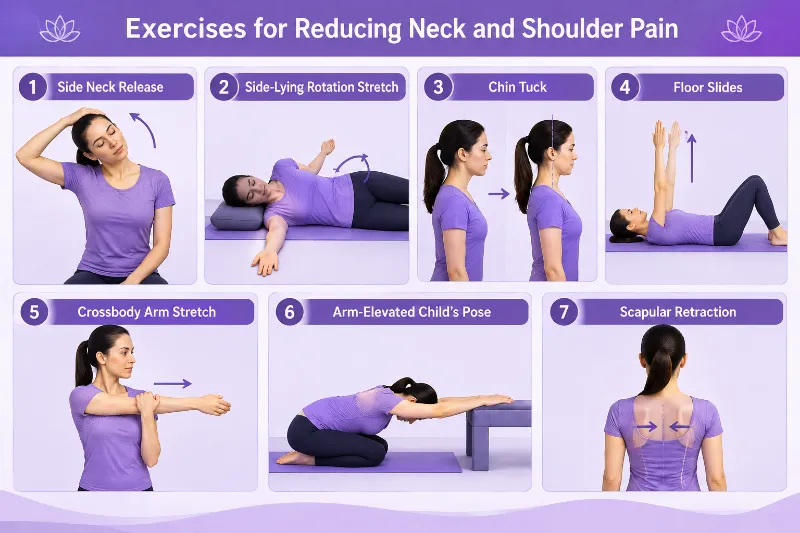
Exercises for Reducing Neck and Shoulder Pain:
Targeted exercises can relieve shoulder and neck pain caused by strained muscles or bad posture. These exercises remove stress in your muscles, strengthen them, and improve your posture.
Side Neck Release:
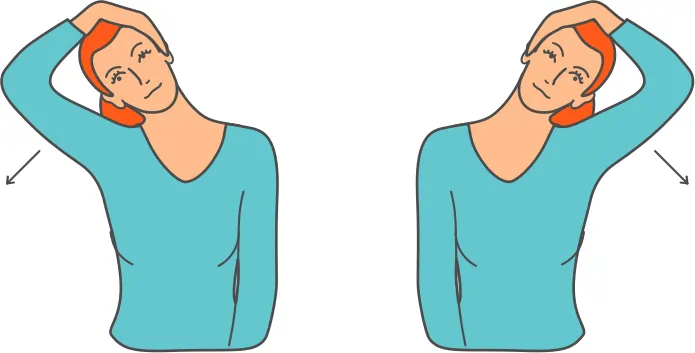
Your upper back and neck muscles become relaxed when you perform the side neck release stretch. It targets deep neck muscles that get tense due to bad posture, injuries, stress, or extended sitting, as well as the sternocleidomastoid muscle, which is essential for head and neck motions.
The side neck release procedure entails the following steps:
- With your shoulders relaxed and your back upright, take a seat in a chair and look forward.
- You can gently draw your head farther into the stretch by using your hand on the opposite side while you slowly tilt your head to one side, bringing your ear closer to your shoulder.
- After 15 seconds of holding the stretch, carefully return to the starting position and repeat on the opposite side.
- On each side, repeat this three times.
Side-Lying Rotation Stretch:

The side-lying rotation, also known as the open-book stretch, targets the muscles in your upper back, shoulders, neck, and chest to ease stiffness while encouraging movement in the thoracic spine (middle back).
The side-lying rotation stretch involves the following steps:
- With your arms extended straight in front of you and your knees bent at a 90-degree angle, lie on your side with a pillow beneath your head.
- Rotate your upper arm backward while maintaining a stable lower body and legs together, following your hand with your eyes.
- Open up as much as you can before your knees begin to want to split; hold for a little while, then close again.
- For several sets, repeat this several times on each side.
Chin Tuck:
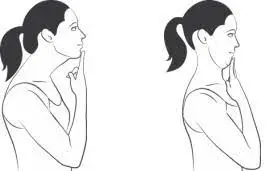
By stretching and engaging the muscles that support your cervical spine (neck), chin tucks improve posture. To ease pain, they strengthen the muscles at the front of your neck and target deep neck flexors.
For chin tucks, follow these steps:
- Press the back of your head onto the floor and tuck your chin into your chest.
- After three to five seconds of holding this position, gently release
- Make sure to concentrate on developing a neutral spine as you repeat this every hour.
Floor Slides:
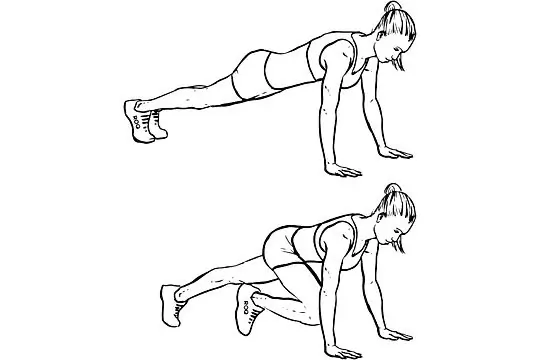
Floor slides strengthen the muscles surrounding the shoulder blades and enhance shoulder mobility. They support better balance and posture by stimulating the shoulder and upper back muscles.
The following are steps for floor slides:
- Begin on your back with your feet flat on the ground and your knees bent.
- With your elbows bent at a 90-degree angle and your palms facing up, place your arms on the ground.
- Keep your elbows and wrists contacting the floor while you slowly slide your arms overhead; as long as you’re stretching correctly, it’s acceptable if you can’t touch the floor entirely.
- Slide your arms back down to the beginning position gradually after raising them as high as is comfortable. Repeat ten to fifteen times.
Crossbody Arm Stretch:
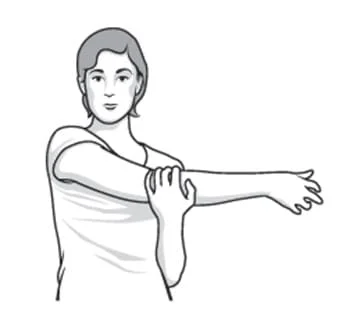
Your shoulder and upper back muscles are mobilized by the cross-body stretch, which helps ease tension that may be causing pain or bad posture.
Cross-body arm stretches involve the following steps:
- Place one arm straight in front of you while standing with your back straight and your feet shoulder-width apart.
- To improve the stretch, quickly cross your arm over your chest and slowly bring the extended arm or shoulder closer to your body.
- After ten to twenty seconds of holding, switch
Arm-Elevated Child’s Pose:
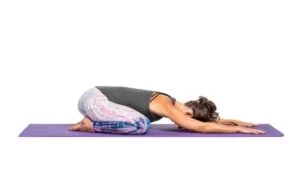
This stretch works the latissimus dorsi, neck, and trapezius muscles, deepening a standard child’s stance.
The following are the steps for a child’s arm-elevated pose:
- Kneel in front of a chair that is within arm’s reach of you.
- Place your palms flat on the chair’s seat and lean forward, putting your head between your arms.
- In a child’s stance, slowly recline until your buttocks are resting on your heels.
- After about 30 seconds, take a breath, hold it, and then release it.
Scapular Retraction:
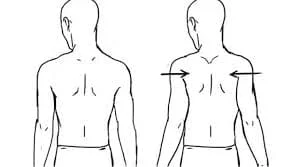
This exercise enhances posture and strengthens the muscles supporting your shoulder blades.
- Place your feet shoulder-width apart, stand erect, and keep your arms at your sides.
- Pinch your shoulder blades together lightly, as if you were attempting to press them toward your spine, while keeping your core active.
- After five seconds of holding, carefully release and go back to the beginning position.
- Repeat ten times, then repeat.
Safety Tips for Your Exercises:
It’s crucial to pay attention to how you feel during every activity.
Your body is attempting to alert you to a problem if a workout is painful or uncomfortable. Make sure you are not providing any compensation by double-checking your form. Try a different exercise if, despite adjusting your form, you are still uncomfortable.
Other Ways To Manage Neck and Shoulder Pain:
Your everyday life might be significantly impacted by pain; therefore, it’s important to take other aspects into account when managing your symptoms.
Several lifestyle modifications, including the following, can help relieve your symptoms and improve your general health:
- Get enough sleep: Your body’s inflammatory response and level of pain can be influenced by the quantity and quality of your sleep. To help your body heal more quickly and experience less pain, make sure you’re receiving enough restful sleep.
- Control stress: The stress hormone cortisol can exacerbate pain. Regular stress-reduction activities like movement, meditation, or other tried-and-true techniques can be beneficial.
- Eat a well-balanced diet: Your diet and water intake can have an impact on how well you manage your pain. Drink lots of water and consume a well-balanced meal rich in vitamins and protein.
Benefits:
You may avoid slouching and incorrect positions that lead to shoulder and neck pain by regularly correcting your posture with stretching.
Increase flexibility:
Your range of motion is increased, and pain-free daily activities are made possible by stretching your muscles and joints.
Cut down on stress:
By relieving the muscle tension that arises from prolonged sitting, frequent stretching progressively reduces pain and stiffness.
Increase concentration and output:
Stretching for brief periods of time can also revitalize your thoughts and help you return to work with greater concentration and focus.
You may easily and successfully prevent and manage pain by including these exercises in your workweek, which will keep you comfortable and concentrated all day.
FAQs:
How to reduce neck pain while sitting at a desk?
You must combine an ergonomic workspace arrangement with frequent mobility breaks and focused workouts to lessen neck pain when seated at a desk.
How can I set up my desk to avoid neck pain?
Your workstation arrangement must prevent forward head tilt and maintain a neutral spine in order to reduce neck pain.
What is the best exercise to relieve neck and shoulder pain quickly?
One of the quickest and most efficient methods to relieve sudden neck and shoulder stress is to combine the upper trapezius stretch with shoulder rolls and chin tucks.
What is desk neck syndrome?
Desk neck syndrome, also known as tech neck or forward head posture, is a repetitive strain injury caused by keeping the head low and forward for extended periods of time when using a computer, tablet, or smartphone.
Why does my neck hurt when I sit in my office chair?
The main causes of your neck pain in an office chair include forward head position (tech neck), insufficient lumbar or back support, and an incorrect monitor or desk height that strains and spasms your shoulder and neck muscles.
What is a red flag for neck pain?
Red flags for neck pain indicate a potentially harmful medical condition, such as nerve injury, spinal cord compression, infection, or a blood vessel rupture.
What is the best desk setup for shoulder pain?
Set up your desk so your elbows are at a 90-degree angle, the mouse and keyboard are close to your body, and your upper arms are relaxed to ease shoulder pain.
Why do I have pain from sitting at my desk all day?
Long-term muscle strain, spinal disc compression, bad posture, and muscular imbalances are the main causes of pain from sitting at a computer all day.
References:
- Savolainen, A. (2004). Active or passive treatment for neck-shoulder pain in occupational health care? A randomized controlled trial. Occupational Medicine, 54(6), 422–424. https://doi.org/10.1093/occmed/kqh070
- 5 Easy desk exercises to relieve neck and shoulder pain. (2026, March 5). Integrative Health and Rehabilitation. https://integrativehealthandrehab.com/lifestyle/desk-exercises/
- Log in ‹ Physical therapy Treatment and Exercise — WordPress. (n.d.). https://physical-therapy.us/wp-admin/post.php?post=93597&action=edit
- Noske, C. I. (2021). KNEAD/SHOULDER/THUMB/DOUGH. UWA Profiles and Research Repository (UWA). https://meniscus.org.au/current-issue