Best 12 Exercises for Poor Posture
Introduction:
You may improve your strength, flexibility, and balance by maintaining proper posture.
In addition to improving body-related feelings like self-esteem and body image well-being, these exercises may lower the chance of muscular and spinal injuries that might result in musculoskeletal illnesses.
Several kinds of exercises that concentrate on extending, stretching, and strengthening the thoracic spine may help you achieve better posture, according to some studies.
What is poor posture?
An excessive curvature of the spine that strains the muscles, ligaments, and joints is known as bad posture. Your head is forced forward, your shoulders are slumped, and your back is curved when you have bad posture. Back, shoulder, and neck pain may result from this. Additionally, it may result in headaches, fatigue, and tense muscles.
Long hours of sitting or standing, carrying heavy bags, wearing high heels, slouching, and being overweight are just a few of the numerous factors that contribute to bad posture. Muscle imbalances, tight muscles, and weak muscles can all contribute to poor posture.
What is forward head/neck posture?
The term “forward head posture” describes a position in which the head looks to be in front of the body.
Forward head position is defined technically as the skull tilting forward over the neck by more than an inch.
How to know if you have forward head posture?
Place your heels shoulder-width apart and stand with your back to a wall.
Make sure your shoulder blades are in touch with the wall as you press your thighs against it.
You may line your shoulders with the wall and achieve a more relaxed position by squeezing your shoulder blades together.
Check the position of your head now: is the back of your head in contact with the wall?
If not, you should try your best to modify your forward head position.
Forward Head Posture Symptoms:
- Muscle tightness
- Kyphosis
- Neck tightness/pain
- Dowager’s hump
- Back pain
- Muscle spasm
- Restricted breathing
- Poor Balance
- Headaches and migraines
- Insomnia
- Trigger Points
- Chronic fatigue
- Numbness and tingling of the arms and hands
- Temporomandibular Joint (TMJ) Disorders
Forward head posture Can Lead To:
- Tension headache
- Osteoporosis (and related fractures)
- Poor shoulder mobility
- Cervical (neck) spine arthritis
- Shoulder blade pain
- Bulging discs
- Herniated discs
What causes forward head posture?
The following are some of the causes of forward head posture:
- Poor posture
- Weakness of your neck muscles
- Previous neck strains or sprains
- Sleeping with your head raised on pillows
- Frequently sleeping on a sofa with your head propped on the armrest
- Extended computer use
- Extended cellphone use
- Prolonged driving
- Incorrect breathing habits
- Carrying heavy backpacks
- Participating in sports that involve the dominant use of one side of the body
- Some jobs are especially sensitive because of the body’s frequent movements.
Forward Head Posture Muscles Involved:
An imbalance of the neck, shoulder, and upper back muscles results in a forward head position.
Weakened muscles include:
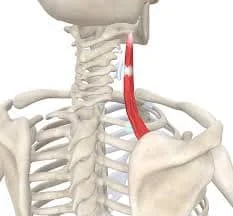
- Longus colli (front part of neck)
- Longus capitis (front part of neck)
- Infrahyoid and suprahyoid (front part of neck)
- Rhomboids (upper back muscles)
- Serratus anterior (along the side of the ribs connecting to the shoulder blade)
- Posterior rotator cuff (back part of the shoulder)
- Lower trapezius (mid-back)
Tightened muscles include:
- Suboccipitals (base of the skull)
- Sternocleidomastoid (side and front of neck)
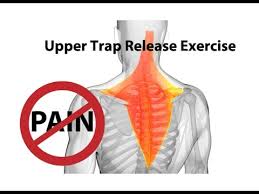
- Upper trapezius (upper back)
- Pectoralis minor and major (chest muscles)
- Levator scapulae (neck down to shoulder blade)
- Subscapularis (shoulder blade area)
- Latissimus dorsi (mid- to lower back)
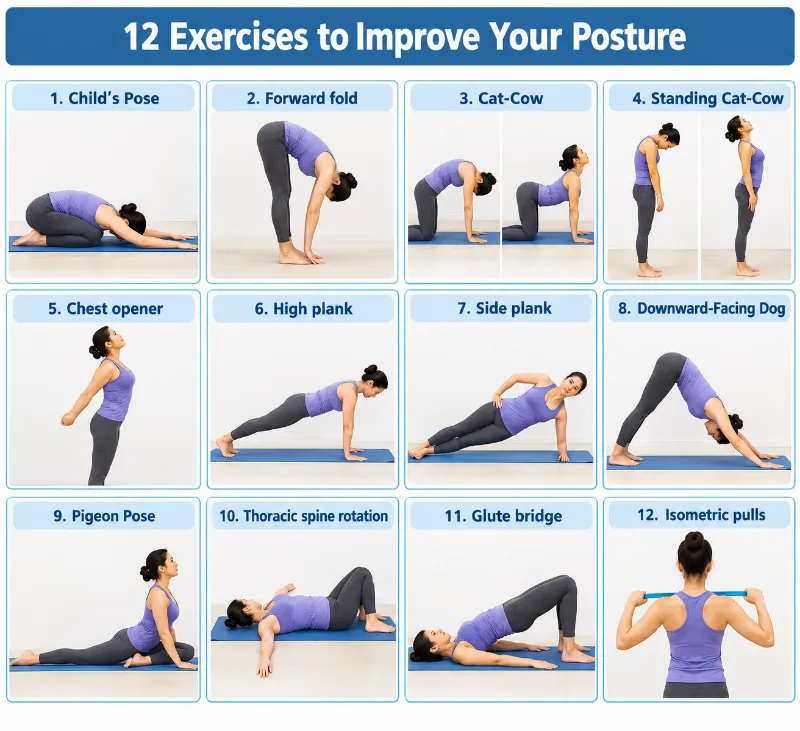
12 Exercises to Improve Your Posture
Here are 12 exercises to help improve your posture.
Child’s Pose:
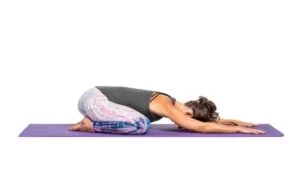
Child’s Pose lengthens and extends your hamstrings, glutes, and spine. It can also reduce stiffness in your lower back and neck.
To do this pose:
- With your knees together or slightly apart, sit on your heels with your big toes in contact.
- Walk your hands out in front of you while folding forward at the hips.
- Return your hips to your heels. Put a pillow or folded blanket between your hips and heels for support if they are too far away.
- Place your forehead on a pillow, a block, or the ground.
- You can either keep your arms extended or rest them along your body.
- Inhale deeply into your waist and the back of your ribs.
- Continue to breathe deeply while you unwind in this pose for up to five minutes.
Forward fold:
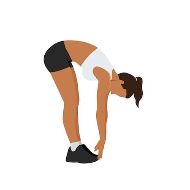
Your hamstrings, glutes, and spine may all feel less tense after doing this standing stretch. It stretches your hips and legs as well.
To do this pose:
- Place your feet hip-width apart.
- Fold forward at your hips after bringing your hands to them.
- Put your hands on a block or let them fall to the ground. Go as far as you can without caring if your hands stay off the ground.
- Allow your spine to stretch, relax your hips, and slowly bend your knees.
- Allow your neck and head to relax.
- Hold this position.
- Then Relax.
Cat-Cow:
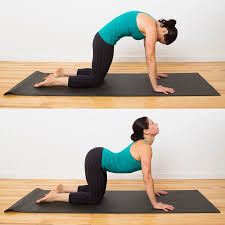
In addition to increasing blood circulation and spinal mobility, Cat-Cow Pose can help release stress in your neck, shoulders, and chest.
To do this pose:
- With your knees under your hips and your wrists under your shoulders, fall to your hands and knees. Balance your weight equally between your hands and knees.
- Breathe in as you raise your chest and ribs, allowing your spine to arch and your abdomen to descend toward the floor.
- Draw your chin toward your chest and exhale as you circle your spine toward the ceiling.
- Continue alternating between cat and cow breathing for at least a minute.
Standing Cat-Cow:
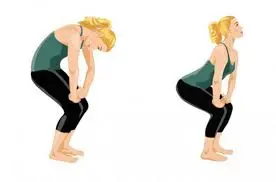
This standing position, which is a variant of the basic cat-cow, may help release stiffness in your glutes, hips, and back.
To do this pose:
- Place your feet hip-width apart and bend your knees slightly.
- Put your hands on your thighs or extend them in front of you.
- Pull your chin toward your chest, stretch your neck, and arch your back.
- Next, raise your chest, look up, and shift your spine in the other direction.
- For five breaths at a time, maintain each position.
- For a few minutes, keep doing this.
Chest opener:
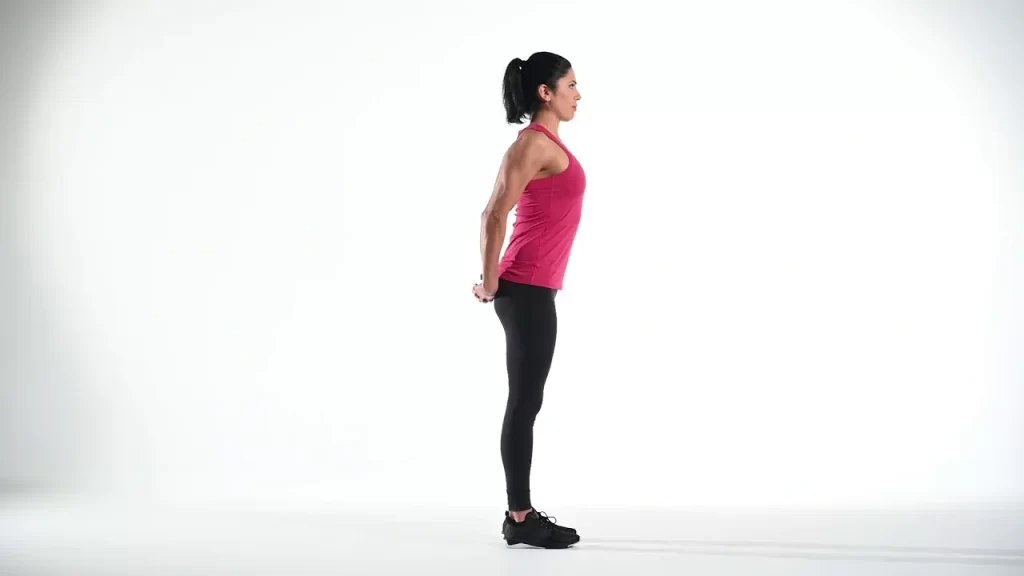
Your posture may be improved by opening and expanding your chest, particularly if you spend a lot of time sitting down, which causes your chest to move inward.
To do this stretch:
- Place your feet hip-width apart.
- Put your arms behind you and squeeze your palms together while connecting your fingers.
- Maintain an even posture of your head, neck, and spine; draw your shoulders back and down. Look directly forward.
- As you raise your chest toward the ceiling and lower your hands toward the floor, take a breath.
- Hold this stance for five deep breaths.
- Take a few deep breaths of relaxation and release.
- Do this at least five times.
High plank:
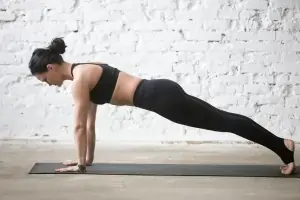
Maintaining an even posture of your head, neck, and spine, draw your shoulders back and down.
High planks may improve your back and core strength and balance, both of which are critical for proper posture.
To do this exercise:
- Get on all fours, raise your hips, lift your heels, and straighten your legs.
- Straighten your back and contract the muscles in your arms, legs, and abdomen.
- Look down at the floor, soften your throat, and extend the back of your neck.
- Keep your shoulders back and your chest open.
- Hold this position for no more than a minute at a time, then repeat five times.
Side plank:
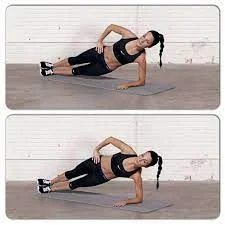
This exercise, which is a twist on the standard plank, strengthens your glutes and side muscles. You can support your back and enhance your posture by strengthening and straightening these muscles.
To do this exercise:
- Start with a high plank position. Bring your right hand a little closer to the middle of the mat.
- As you turn your body to the side, shift your weight onto your right hand, stack your feet, and raise your hips. Another option is to put your elbow under your shoulder and your right forearm on the ground.
- Put your left hand on your hip or reach up to the ceiling. You may place your lower knee on the ground for additional support.
- As you maintain the posture, use your glutes, side body, and abdominals.
- From the top of your head to your heels, position your body in a straight line.
- Look up at your hand or directly ahead of you.
- For a maximum of 30 seconds, maintain this stance.
- On the other side, repeat. Perform two to three sets in total.
Downward-Facing Dog:
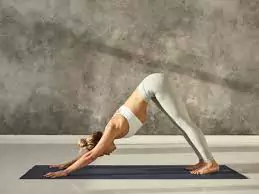
A forward bend that may be utilized as a resting position to balance the body is called Downward-Facing Dog. In addition to strengthening and straightening your back muscles, it can help reduce back pain.
To do this pose:
- Start on your hands and knees, placing your hands just in front of your shoulders. Lift your heels and tuck your toes down under your feet while pressing onto your hands.
- To raise your sitting bones toward the ceiling, raise your hips and knees.
- Stretch your spine and slightly bend your knees.
- Allow your head and neck to rest between your arms while keeping your ears in contact with your upper arms.
- Maintain a modest elevation of your heels while applying strong pressure with your hands.
- Hold this position for a maximum of one minute.
Pigeon Pose:
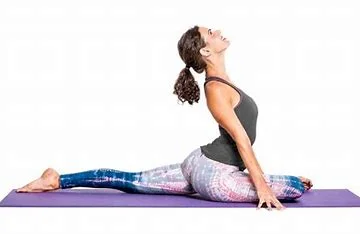
Your spine, hamstrings, and glutes can all become more flexible with this hip-opening pose.
To do this pose:
- With your hands slightly in front of your shoulders and your knees below your hips, fall onto all fours.
- With your right foot bent out to the left, bend your right knee and position it behind your right wrist.
- Place your right shin’s outside on the ground.
- Straighten your knee, slide your left leg back, and place your thigh on the ground. Maintain a square hip position.
- Make sure the rear of your left leg is straight.
- With your arms out in front of you, slowly lower your body until it rests on your inner right thigh.
- Maintain this posture for a maximum of one minute.
- Walk your hands back toward your hips and raise your body to gradually release the position.
- On the other side, repeat.
Thoracic spine rotation:
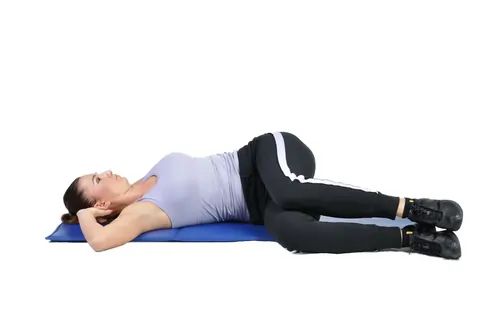
In addition to improving stability and mobility, gently expanding the chest and twisting the spine may assist in releasing tension.
To do this stretch:
- Put yourself on all fours, lower your hips back to your heels, and rest on your shins.
- With your elbow out to the side, place your right hand behind your head.
- Bring your left hand to the middle and place it on your forearm, or keep it under your shoulder.
- Stretch the front of your chest and raise your right elbow toward the ceiling while exhaling.
- In this position, take a deep breath and release it.
- Return to the starting position by releasing yourself.
- After five to ten repetitions of this movement, switch sides.
Glute bridge:
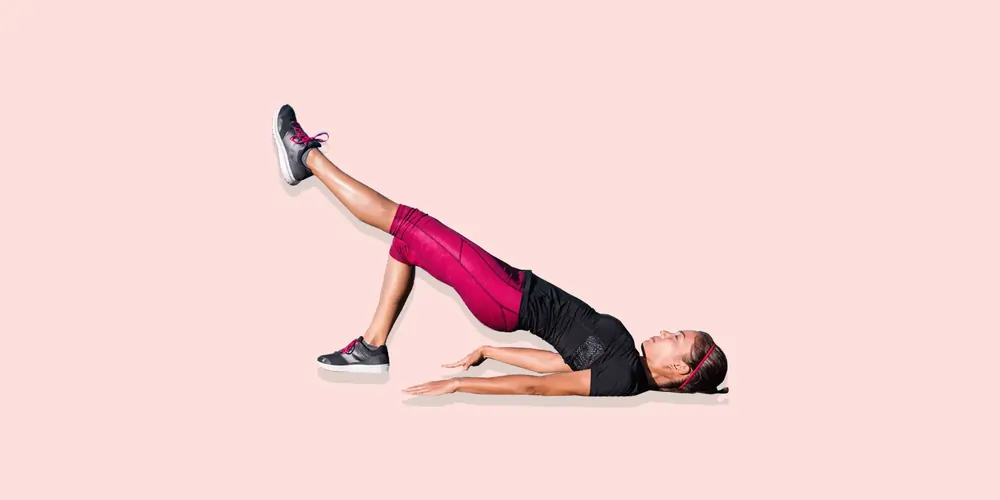
Glute bridges relieve lower back pain while strengthening and activating your glutes. Your hips and pelvis can function and align better as a result, improving your posture.
To do this exercise:
- Bend your knees and place your feet hip-distance apart while lying on your back.
- Maintain a foot’s distance between your feet and your hips.
- Put your arms next to your body, hands facing down.
- As you raise your hips toward the sky and straighten your back, exhale.
- Repeat three times, holding this posture for a maximum of one minute at a time.
Isometric pulls:
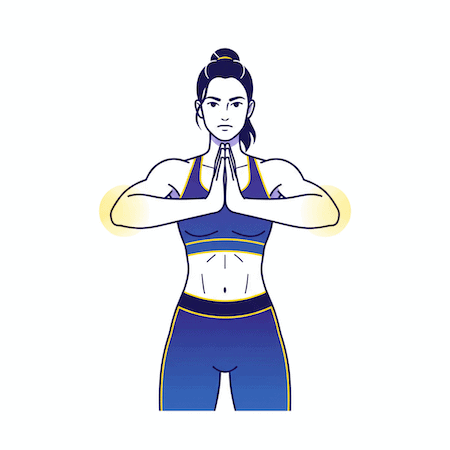
By strengthening your back, arm, and shoulder muscles, isometric pulls help you maintain proper posture.
To do this exercise:
- Start either sitting on a chair or standing.
- With each hand locked into a fist, stretch your arms in front of you until they are parallel to the ground.
- Squeeze your shoulder blades together and pull your elbows back toward your shoulders as you exhale.
- Hold this position.
- Slowly return to the starting posture after taking a breath.
- For three sets, repeat this exercise for one minute.
How can I improve my posture in general?
- When doing routine tasks like watching TV, doing the dishes, or walking, pay attention to your posture.
- Continue to be active. Your posture may be improved by any form of exercise, although certain activities are more beneficial than others. They include classes that emphasize bodily awareness, such as yoga and tai chi. Exercises that strengthen your core are also a good idea.
- Keep your weight in check. Being overweight can weaken your abdominal muscles, damage your spine and pelvis, and cause low back pain. Your posture may be harmed by any of them.
- Put on comfortable, low-heeled footwear. For instance, wearing high heels may cause you to lose your balance and alter your gait. This damages your posture and increases the strain on your muscles.
- Whether you’re cooking, dining, or sitting in front of a computer, make sure your work surfaces are at a comfortable height for you.
How can I improve my posture when sitting?
- Frequently change your seating posture.
- Take short strolls around your house or place of business.
- Periodically stretch your muscles gently to help release tension.
- Keep your feet on the ground and your ankles in front of your knees instead of crossing your legs.
- Make sure your feet are in contact with the ground, or use a footrest if that isn’t feasible.
- Your shoulders should not be rounded or drawn back; instead, they should be relaxed.
- Keep your elbows close to your body. The ideal bend for them is between 90 and 120 degrees.
- Verify that you have sufficient assistance for your back. If your chair has a backrest that supports the curve of your lower back, use a back pillow or another type of back support.
- Make sure you have support for your hips and thighs. Your thighs and hips should be parallel to the floor, and your seat should be well-padded.
How can I improve my posture when standing?
- Take a high, straight posture.
- Keep your shoulders back.
- Inhale deeply.
- Place the majority of your weight on the balls of your feet.
- Maintain a level head.
- Allow your arms to naturally drop to your sides.
- Make sure your feet are shoulder-width apart.
Do’s and Don’ts for Posture Exercises:
Do’s:
- Do begin with basic workouts and work your way up to more difficult ones.
- When performing exercises, make sure your head, neck, shoulders, spine, and pelvis are all properly positioned.
- To promote improved posture, strengthen your upper back and core muscles.
- Include stretching exercises for often tense muscles such as the neck, hip flexors, and chest.
- Do not use movement when performing exercises; instead, move slowly and carefully.
- During each workout, do not stop breathing regularly.
- Exercise on a regular basis rather than only once in a while.
- Exercises should be specific to your level of fitness and physical constraints.
- Do take regular breaks from extended sitting and adjust your posture.
- Exercises that induce pain, dizziness, or other unusual symptoms should be stopped or modified.
Don’ts:
- Avoid putting your neck, joints, or spine in an uncomfortable posture.
- When working out, avoid holding your breath.
- Avoid using bad form when performing workouts in order to get more repetitions.
- Avoid overcorrecting your posture by arching your lower back or bringing your shoulders back too far.
- Avoid using strong resistance too quickly.
- When stretching, avoid skipping.
- If you are experiencing severe or increasing pain, stop exercising.
- Even if you have proper posture, avoid standing or sitting for extended periods of time.
- It normally takes constant practice to improve posture, so don’t expect changes right away.
- Chronic pain, numbness, weakness, or other worrying signs should not be ignored.
Advice: The objective is not to keep a single, fixed perfect posture throughout the day. Good alignment, continuous movement, muscular strength, flexibility, and frequent position changes are important.
FAQs:
How to correct posture in 7 days?
By developing daily awareness, stretching tense muscles, and strengthening your upper back and core, you may significantly improve your body alignment and reduce slouching in just seven days.
What is the root cause of poor posture?
Muscle imbalances, insufficient core support, and daily lifestyle choices that push the spine out of its normal alignment are all contributing factors to bad posture.
Is walking good for posture?
Yes, if you walk with good form, it can help you keep an upright alignment, strengthen your back and core muscles, and reduce joint pain.
Does Gen Z have bad posture?
In fact, studies and medical professionals suggest that, compared to other generations at the same age, Generation Z has higher rates of bad posture and associated back or neck problems.
Is it possible to fix posture permanently?
Yes, regular strengthening, stretching, and everyday behavior changes can help you permanently improve your posture.
How to fix bad posture in 5 minutes?
A five-minute mobility and alignment exercise that releases tense chest muscles and engages your upper back will help you temporarily correct and reset poor posture.
What is the best sleeping position for rounded shoulders?
The ideal sleeping position for rounded shoulders is flat on your back on a medium-firm surface because it allows gravity to gradually draw your shoulders back while maintaining the proper position of your spine.
What is the best exercise for poor posture?
To reverse the effects of slouching, the finest posture correction exercises concentrate on expanding the chest, strengthening the upper back, and stabilizing the core.
References:
- Grabara, M. (2016). Could hatha yoga be a health-related physical activity? Biomedical Human Kinetics, 8(1), 10–16. https://doi.org/10.1515/bhk-2016-0002
- Steiner, T. J., & Martelletti, P. (2007). Aids for management of common headache disorders in primary care. The Journal of Headache and Pain, 8(S1), 1–47. https://doi.org/10.1007/s10194-007-0428-1
- Ashby, W. R. (1956). An introduction to cybernetics. https://doi.org/10.5962/bhl.title.5851
- Bull, F. C., Al-Ansari, S. S., Biddle, S., Borodulin, K., Buman, M. P., Cardon, G., Carty, C., Chaput, J., Chastin, S., Chou, R., Dempsey, P. C., DiPietro, L., Ekelund, U., Firth, J., Friedenreich, C. M., Garcia, L., Gichu, M., Jago, R., Katzmarzyk, P. T., . . . Willumsen, J. F. (2020). World Health Organization 2020 guidelines on physical activity and sedentary behavior. British Journal of Sports Medicine, 54(24), 1451–1462. https://doi.org/10.1136/bjsports-2020-102955
- National Library of Medicine. (n.d.-b). Guide to good posture. https://medlineplus.gov/guidetogoodposture.html