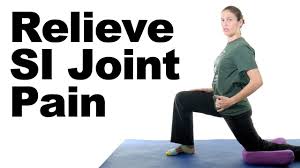
Best Physical Therapy Exercises for Sacroiliac Joint Pain
Introduction:
Living with sacroiliitis (SI) can be painful and annoying. It is an uncomfortable ailment caused by inflammation of the joint in your lower back, which is where your pelvis joins your spine. If it strikes you, you may experience lower back and buttock pain that radiates down your leg. Long stretches of sitting, standing, or ascending stairs could make it worse.
The level of pain you experience can vary from moderate to severe; at any point, it’s not something that anyone wants to go through, and orthopedic professionals deal with it far too frequently.
Benefits of SI Joint Pain Exercises:
Sacroiliitis (SI joint pain) can be effectively managed and alleviated with the appropriate activities. By enhancing strength, flexibility, and stability, they not only improve your immediate well-being but also support long-term joint health. More about the advantages of performing exercises for SI joint pain may be found here.
- Increased stability of the pelvis. The sacroiliac joint is supported by strengthening the muscles surrounding your pelvis, such as your core and glutes. This lessens joint strain and excessive movement, which may relieve pain.
- Increased strength in the core. A stronger core helps prevent pain flare-ups and pain by supporting your pelvis and spine and stabilizing the SI joint during activity.
- Improved postural comfort. Core and pelvic muscles are the focus of many SI joint exercises. Although there is no such thing as perfect posture, you can identify postures that work for you and change positions frequently by strengthening these areas. This enhances the general health of your spine and relieves pressure on your SI joint.
- More flexibility. Stretching exercises for the lower back, hamstrings, and hip flexors help increase flexibility and release tension in the pelvic muscles that may be causing SI joint pain.
- Preventing injuries. By encouraging appropriate movement patterns and reducing stress on the SI joint, strengthening the muscles that support it reduces the chance of damage.
- Decreased chance of muscular imbalances. In order to address muscle imbalances that may be causing joint pain, SI joint workouts frequently entail strengthening both sides of the body equally.
Best Physical Therapy Exercises for Sacroiliac Joint Pain Video:
Exercises for Sacroiliac Joint Pain:
Knee to Chest Stretch:
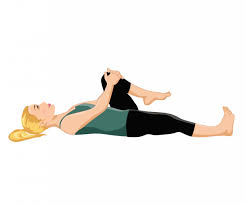
Grasp the back of your leg and raise one knee to your chest. The buttock muscle can then be stretched by pulling the leg toward your chest. Return to your starting position after holding for 15 to 30 seconds. On each side, repeat three times.
Bridge Stretch:
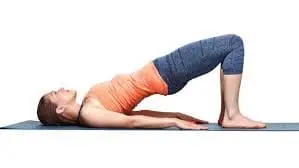
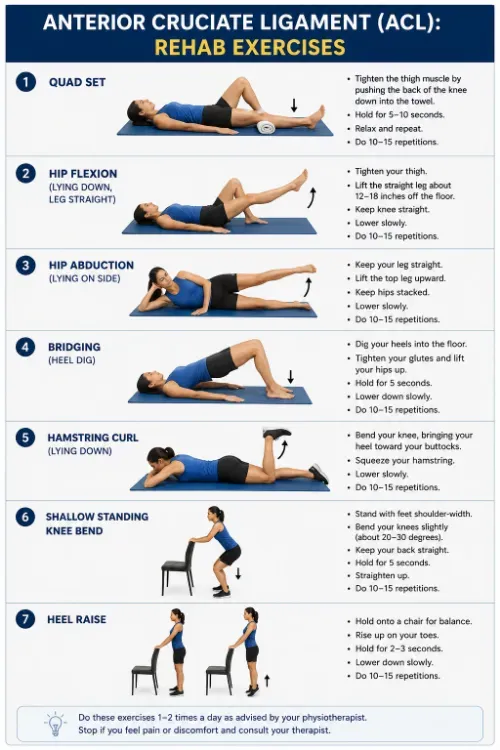
Bend your knees, place your arms against your body, and place your hands on the ground while lying on your back. To align your body in a straight line, squeeze your buttocks and lift your hips off the floor. After five seconds of holding, slowly return to the ground. Repeat eight or ten times.
Bird Dog Exercises:
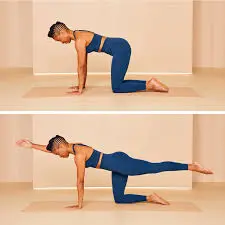
This exercise targets your front and back pelvic stabilizing muscles, strengthening your abdomen while also increasing your gluteal and back extension strength.
Place your hands below your shoulders and your knees beneath your hips in a comfortable hands-and-knees position. Reach your opposing arm off the ground while lifting and extending one leg behind you.
Your arm, leg, and back should all be in a straight line. Go back to where you started. Lift your other arm and leg off the ground and repeat on the opposite side. Go back to where you started.
Child’s Pose:
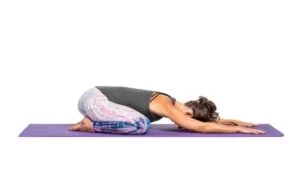
An excellent SIJ and lower back mobilization exercise. Place your buttocks on your heels while kneeling on the mat. Your back will gently extend and lengthen as you roll forward and slide your arms forward while keeping your buttocks on your heels. Repeat three repetitions after holding the stretch for thirty seconds.
Piriformis Stretch:
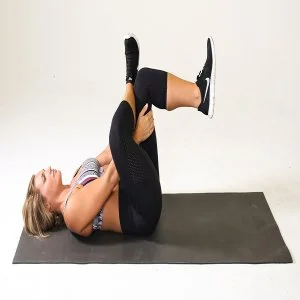
With one leg outstretched and the other crossed over, take a seat on the floor. Gently lift your knee toward the opposing shoulder while holding it with the other hand. Do this two or three times.
Cat-Cow Stretch:
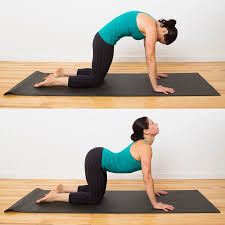
A mild yoga pose that alternates between spinal flexion and extension, the cat-cow stretch helps to increase the spine’s range of motion and flexibility. This stretch is perfect for people who have back pain or spend a lot of time sitting down because it effectively removes stiffness in the neck, shoulders, and lower back.
Cat-Cow also helps to improve posture, lower stress levels, and soothe the nervous system by coordinating movement with deep breathing. Frequent practice improves blood flow throughout the spine, supports improved spinal alignment, and primes the body for more strenuous workouts or yoga positions.
Clamshells Exercise:
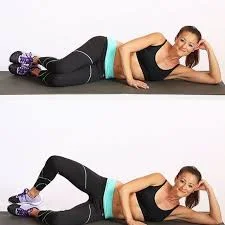
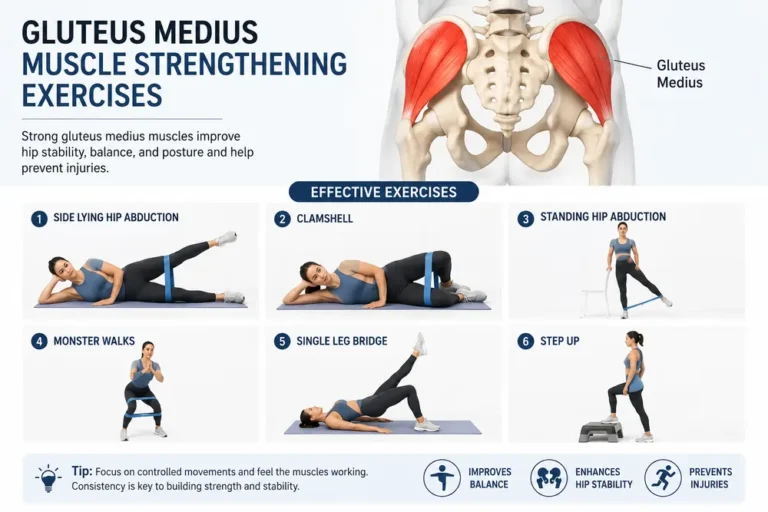
Clamshells are a straightforward yet incredibly powerful lower-body exercise that works the hip stabilizer and gluteus medius muscles. This exercise supports appropriate knee and lower back posture, strengthens the hips, and enhances pelvic stability.
Clamshells are particularly useful for correcting muscle imbalances caused by extended sitting or weak glutes, enhancing balance, and lowering the risk of knee injury. Frequent practice can improve posture, improve athletic performance, and aid in the prevention and recovery of injuries.
Plank on Knees:
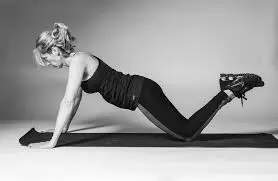
A beginner-friendly core exercise, the plank on knees reduces strain on the lower body and wrists while strengthening the glutes, shoulders, lower back, and abdominal muscles. This modified plank promotes greater posture, balance, and spinal alignment while strengthening the core.
Beginners, people recuperating from injuries, and people with weak cores will find it extremely helpful. Frequent knee planking lowers the chance of strain while building a solid foundation for full planks and other advanced core workouts.
Wall Squats:
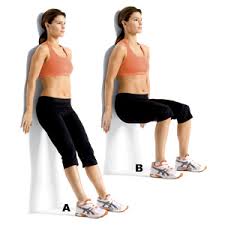
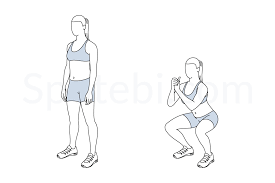
Wall squats are a powerful lower-body exercise that works the core muscles as well as the quadriceps, glutes, and hamstrings. This exercise reduces strain on the knees and lower back while increasing leg strength, endurance, and good squat form by using the wall as support.
Beginners, those with knee issues, and those enrolled in rehabilitation programs can all benefit greatly from wall squats. Frequent practice supports improved posture and functional mobility in daily tasks, increases muscular endurance, and improves lower-body stability.
Conclusion:
Exercises like the Cat-Cow Stretch, Clamshells, Plank on Knees, and Wall Squats can be performed on a regular basis to increase strength, flexibility, and general body stability. Together, these exercises improve spinal mobility, build strong, stable legs, and strengthen the hips and core.
By including them in your routine, you can lessen pain, enhance posture, and encourage greater balance and functional mobility for daily tasks.
FAQs:
What is the healing period for an injured sacroiliac joint?
Recovery from SI joint inflammation varies; acute problems usually go away in days to weeks (1-4 weeks) with rest, but chronic cases or severe injuries can take months (2-6 months), depending largely on the cause (injury, pregnancy, underlying condition), severity, and consistency of treatment (physical therapy, lifestyle modifications, or injections). The full return to high-impact activities may take up to 6 months after a procedure or severe injury.
Which vitamin deficiency results in pain in the SI joint?
Pain in the joints may be indirectly caused by a vitamin D deficiency, which can weaken bones and raise the risk of fractures.
Can sacroiliac joint pain be treated by a chiropractor?
Stretching, stabilization exercises, and spinal and pelvic adjustments are typically used as part of treatment. Reducing inflammation, restoring joint function, and averting flare-ups are the long-term objectives.
What causes pain in the sacroiliac joint?
Arthritis, injuries (falls, accidents), pregnancy (hormonal changes, weight), repetitive stress (sports, overuse), bad posture, or gait issues (leg length difference) can all cause SI joint pain, which can lead to inflammation or mechanical problems in the joint that connects your spine and pelvis and cause lower back and buttock pain. The causes can include underlying inflammatory diseases such as ankylosing spondylitis, cumulative wear and tear, or abrupt trauma.
Can a SI joint benefit from dry needling?
In people with sacroiliac pain, dry needling, which targets trigger points in the muscles surrounding the pelvis and lower back, has also been demonstrated to lessen pain and muscle spasms.
How did I get rid of my SI joint pain?
Stretching and range-of-motion exercises can be taught by a medical professional, such as a physical therapist. These exercises are intended to reduce pain and maintain greater flexibility in the hips and lower back. Strengthening activities promote better posture and joint protection.
How much time does it take for a SI joint that is inflamed to heal?
Recovery from SI joint inflammation varies; acute problems usually go away in days to weeks (1-4 weeks) with rest, but chronic cases or severe injuries can take months (2-6 months), depending largely on the cause (injury, pregnancy, underlying condition), severity, and consistency of treatment (physical therapy, lifestyle modifications, or injections). The full return to high-impact activities may take up to 6 months after a procedure or severe injury.
Which kind of massage works best for pain in the SI joint?
Physical therapies like myotherapy and remedial massage (including dry needling and trigger point therapy) target tight muscles within the hip-pelvis complex to assist in relieving SI joint pain, which is frequently associated with either excessive or insufficient motion in the joint.
What is the latest approach to treating pain in the sacroiliac joint?
Orthopedic surgeons at Yale Medicine frequently perform sacroiliac joint fusion, one of the most recent and effective treatments for sacroiliac pain.
What is the most effective way to manage pain in the sacroiliac joint?
Rest, heat, and ice. Acetaminophen and anti-inflammatory drugs (such as naproxen or ibuprofen) are used to treat swelling, which typically contributes to pain.
Can SI joint pain be resolved with physical therapy?
To lessen the pain in the muscles and connective tissues related to the SI joint dysfunction, the physical therapist may use manual treatments and modalities. They may accomplish this by using methods like massage, soft tissue mobilization, and the removal of trigger points—tender spots in the tissue.
How may pregnant women with sacroiliac joint pain be relieved?
In order to alleviate SI joint pain, exercise can assist in balancing your pelvis and back. Regular exercise can help control pelvic girdle and low back pain during pregnancy and enhance daily functioning, according to a new review. Pregnancy-related low back pain can be relieved by yoga, swimming, and walking.
How is sacroiliac joint pain treated with physical therapy?
To stabilize the pelvis and restore natural movement, reduce inflammation, and improve function through exercises, manual therapy, and education—often in conjunction with NSAIDs—physical therapy for SI joint pain focuses on stretching tight muscles (such as hip flexors and glutes) and strengthening core/gluteal muscles (such as bridges, clamshells, and bird-dog). Key exercises include stretching the piriformis/hip flexors (knee-to-chest) and strengthening the glutes and core (bridges, bird-dog), all while avoiding severe pain.
Which activity is most effective for reducing pain in the sacroiliac joint?
Push your lower back into the floor and contract your tummy muscles. After that, bring both knees to your chest, hold them there for five seconds, and then let go for another five. Do this ten or twenty times.
References:
- Admin. (2025a, February 5). 10 Best Sacroiliac Joint pain exercises to relieve the pain. Perth Physio. https://perthphysiotherapyandpilates.com.au/10-best-sacroiliac-joint-pain-exercises-to-relieve-the-pain/
- Sacroiliac Joint Pain Exercises & stretches for relief. (n.d.). https://www.romanomd.com/blog/sacroiliac-joint-pain-exercises–stretches-for-relief-20341.html
- Moore, C., & Moore, C. (2024, October 31). Sacroiliac Joint pain: Best Exercises & Stretches for relief. Continuous Motion Physical Therapy – Physical Therapy. https://continuousmotionpt.com/si-joint-pain-best-exercises-and-stretches-for-relief/
- Yetman, D. (2025, October 21). Stretches and exercises to help ease SI (Sacroiliac) joint pain. Healthline. https://www.healthline.com/health/si-joint-stretches