
Correct Forward Head Posture with These 9 Yoga Poses
Introduction:
A growing number of people are adopting “Forward Head Posture” (FHP) as a result of spending hours bent over computers, tablets, and smartphones in the modern digital age. The anterior posture of the head in relation to the shoulders is the hallmark of this common postural problem, often known as “text neck,” which causes a variety of musculoskeletal imbalances and pain.
The good news is that FHP is mostly avoidable and can be treated with a mix of ergonomic awareness, lifestyle modifications, and focused exercise. The correction of Forward Head Posture can be greatly aided by implementing a well-rounded workout regimen that emphasizes strengthening the neck, upper back, and shoulder muscles while also adding stretching techniques to enhance flexibility.
A variety of useful exercises and methods that can aid in the correction of forward head posture will be discussed in this article. We will offer a thorough approach to help people manage this prevalent postural problem and enhance their general physical well-being, from basic stretches to targeted muscle-strengthening activities. People can improve their posture and reduce related health issues by being aware of the underlying causes of FHP and the proper workout methods to combat it.
What is Forward Head Posture?
Positioning your head so that your ear is in front of your body’s vertical midline is known as forward head posture, or FHP. The ears align with the shoulders and midline when the head is in a normal or neutral position. Among the adverse symptoms of FHP are stiffness, unsteady walking, and neck pain. Additionally, it is frequently linked to kyphosis, or rounded shoulders.
A person’s head and spine are upright when they have proper posture. When a person tilts their head forward while maintaining a neutral spine, this is known as forward-head posture (FHP). You feel fantastic when you have proper posture. To prevent strain on bones, muscles, and ligaments, exercise and proper posture are essential. Chiropractors are particularly conscious of posture since it can have a variety of negative effects on your health.
Correct Forward Head Posture with These 9 Yoga Poses Video:
Exercise for Forward Head Posture:
Thread the Needle:
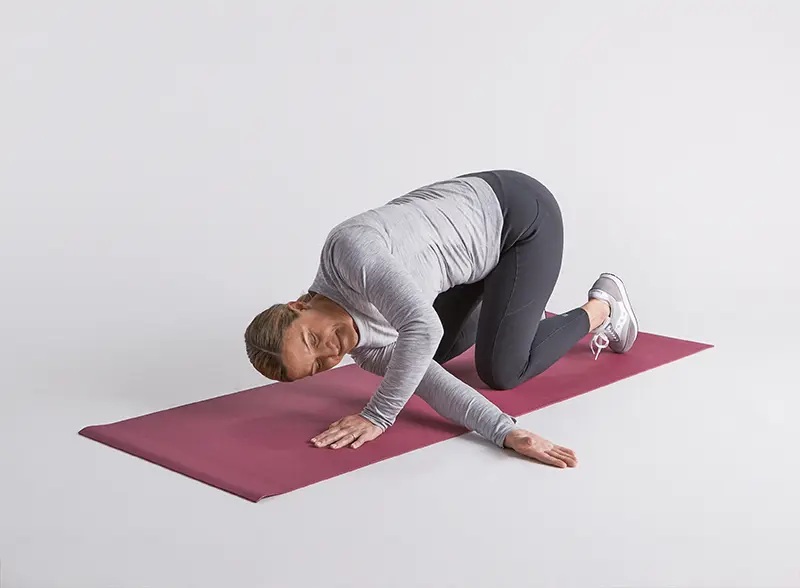
A soothing, approachable yoga practice that works the neck, shoulders, and back is the Thread the Needle stretch. To create a deep stretch in the thoracic region of the back—a location that is frequently challenging to access—the spine must be gently rotated. You can use the Thread the Needle Workout for a variety of stretching and mobility exercises because it is appropriate for both static and dynamic variations.
We’ll go over how to do this stretch properly, its advantages, and how to adjust its difficulty in this exercise guide. Put yourself in a tabletop/quadruped position with your hips over your knees and your shoulders over your wrists. Maintain a strong core. As if the moving arm were a thread through a needle, use your right arm to support your weight while reaching for your left arm and bringing it under your stationary right arm. As you extend your left arm farther into the stretch, rotate your spine while maintaining a straight lower back and pelvis.
Lower your head and shoulders until your left shoulder and left ear are on the ground. You will feel your spine twisting into your ribs as you extend your left arm further in the pose. Do not forget to maintain the alignment of your lower back and pelvis. This preserves the lower back muscles while compressing the spine’s spiral. Hold this position for 30 to 60 seconds (remember to breathe) if you feel a stretch, and then return your left arm to the neutral beginning position. For a different side, follow the same procedure.
Cat-Cow Stretch:
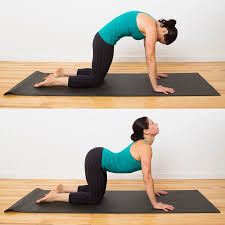
Get on your hands and knees to begin. You should take care of this with your entire weight on your hands and knees. A lot of people have a tendency to extend their knees slightly. Establishing the most attractive, square stack offers a strong starting point. Press down via the finger pads while spreading your fingers apart. Make your elbows face forward by rotating your upper arms externally. To maintain a neutral neck position, look at the floor right in front of your hands.
Tilt your pelvis forward as you inhale, causing (imaginary) water to pour out of the front of your pelvis. Cut the sit bones and lift the tail. Keep your navel drawn toward your spine, even though your tummy will naturally arch toward the floor. From tail to neck, your back is shaped like a U. Push your hips down to stop the (imaginary) water from escaping during the subsequent breath. Twist the spine like a furious cat and tuck in the tail. Proceed with the polar water extraction. Turn your head so that your eyes land on your navel and relax your neck.
The spine is in this flexed position, which extends up into the neck. With each inhalation and exhalation, slowly switch between cow and cat. Typically, five to ten laps offer a pleasant warm-up and enhance the curves. Many yoga sessions include cat-cow stretches, which are an excellent warm-up for at-home practice. The movement between a cat and a cow warms the synovial fluid that lubricates each vertebra by shifting the spine from curled (extension) to rounded (flexion) and back again. This basic vinyasa sets the tone for the rest of the practice by integrating breath and movement.
Child pose:
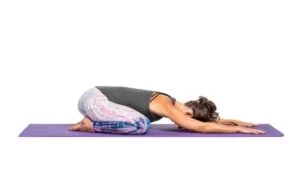
Starting on a yoga mat or plinth in the downward-facing dog position could be beneficial. Put your big toes together (flexion), so they contact the floor while kneeling. To place your buttocks on your feet or ankles, slowly exhale and shift your hips toward your thighs. Make an effort to extend your spine. Sink through the tail and reach through the head’s top. To place your chest on or between your thighs, gently move your shoulders away from your body while keeping them adducted on the plinth.
If you are unable to touch the floor, your forehead may contact the surface depending on your flexibility and beginning posture. Try this pose frequently to avoid it. To avoid neck strain, lay your forehead beneath a block if you are unable to rest it on the ground. Take Mula bandha, lower your body without walking, and extend your arms forward if you want to get to the child’s position. Stretching and maintaining an extended tailbone can be achieved by holding your arms in front of you.
Cobra pose:
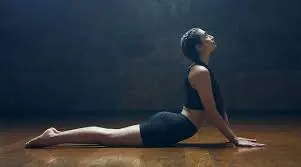
Bhujangasana is another name for Cobra Pose. It blends the Sanskrit terms “serpent” (bhujanga) and “pose” (asana). The cobra position strengthens your back and opens your chest. The rectus abdominis, erector spinae, trapezius, and pectorals are the muscles you use. In the cobra position, adhere to the guidelines below. The exercises can be slightly modified to fit your level of fitness and flexibility. Start by lying on your stomach on the ground, placing your feet and forehead on the ground or a yoga mat. Aim to keep your feet hip-width apart, but close enough for your heels to touch.
Depending on what seems more comfortable, place your palms on the ground beneath your shoulders or by your sides. The fingers ought to be pointing forward. Keep your elbows toward your sides. Take a breath and slowly raise your upper body off the ground while extending your elbows. Maintain your pelvis and navel in contact with the ground. Keeping your shoulders relaxed, pull them back and lower them away from your ears. The pectoral muscles are opened. Depending on your desire and degree of flexibility, you can either keep your neck straight or raise your head to the sky. As you push your chest off the ground, keep extending your elbows. Keep your thighs and pelvis firmly planted on the floor.
Camel Pose:
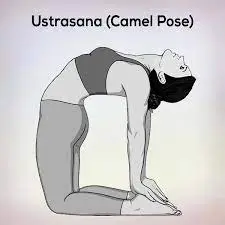
A strong back-bending yoga pose, Camel Pose (Ustrasana), extensively stretches the hip flexors, shoulders, chest, and spine. This pose increases respiratory capacity, opens the chest and lungs, and improves spinal flexibility. Camel Pose is particularly helpful for correcting posture, easing mild back pain, and reducing stiffness caused by extended sitting. Additionally, it improves digestion, stimulates the stomach organs, lowers stress, and increases confidence and vitality.
Cow Face Pose:
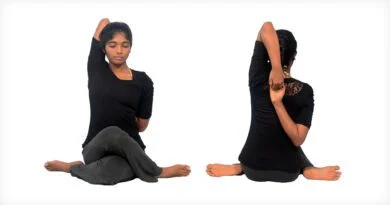
This position stretches your arms, shoulders, and chest, all of which can get tense if you frequently slouch or slump forward. Before attempting this one, grab a strap, a bath towel, or a hoodie if your shoulders are tight.
How to: Take a seat with your legs straight out in front of you. Next, move your right foot under your left knee and in the direction of your right hip while bending your knees. Stack your knees, bring your left foot closer to your left hip, and cross your left leg over your right. Apply uniform pressure on your sitting bones. Place a folded blanket underneath you if you have trouble sitting.
Breathe in and extend your left arm straight out to the side, palm facing behind you and thumb pointing toward the floor. Bring your forearm to your lower back while bending your elbow. Work your forearm up your back until it is parallel to your spine, and your hand is between your shoulder blades after rolling your shoulder back and down.
Take a breath and extend your right arm with the palm pointing forward. With your palm facing back, extend your arm straight toward the ceiling. Reach your hand behind your head while bending your elbow. Remember to breathe. To establish the connection, try using both hands’ fingers or a strap, towel, or hoodie.
Pull your right elbow toward the floor and your left elbow toward the ceiling at the same time. To lengthen and straighten your spine, gently reach the top of your head toward the ceiling. Take a 30- to 60-second breath. For the same amount of time, release your arms, uncross your legs, and then repeat with your arms and legs in reverse. Keep in mind that the arm on the same side is lower than the leg on top.
Fish Pose:
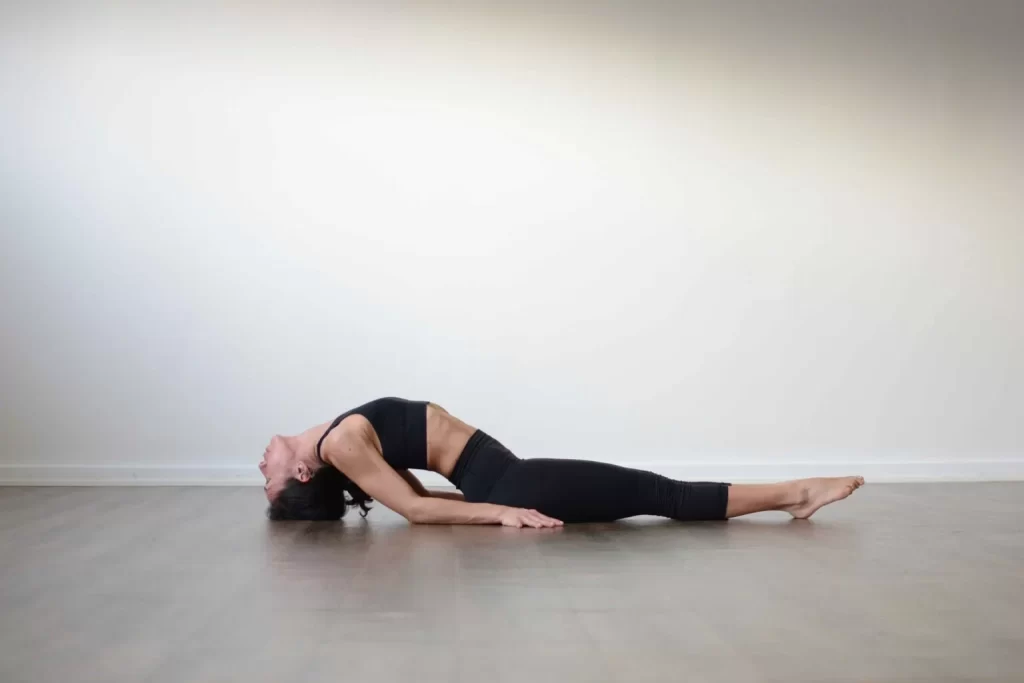
Fish Pose, also known as Matsyasana, is a back-bending yoga pose that opens the front of the body gently and produces a deep stretch through the chest, throat, neck, and spine. This position helps reverse the effects of bad posture caused by extended sitting or slouching by elevating the chest and arching the upper back. It also increases breathing capacity and expands the lungs.
Fish Pose can promote improved digestion and hormonal balance by stimulating the thyroid, throat, and stomach organs. Additionally, it facilitates deep neural system relaxation, increases spinal flexibility, and relieves stress in the shoulders and upper back. Matsyasana can lower stress, quiet the mind, increase vitality, and leave the body feeling balanced, open, and rejuvenated with consistent practice.
Bow Pose:
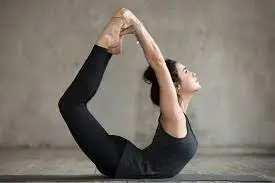
In yoga, the Bow Pose, also called Dhanurasana, is a powerful back-bending pose that strengthens the back muscles and thoroughly stretches the front of the body. This pose promotes better digestion and metabolism by opening the shoulders and chest, increasing spinal flexibility, and stimulating the abdominal organs. Additionally, bow pose exercises enhance posture, ease spinal stiffness, and boost vitality. Dhanurasana can help reduce stress, improve body awareness, and foster a sense of power and energy with consistent practice.
Bird Dog Exercise:
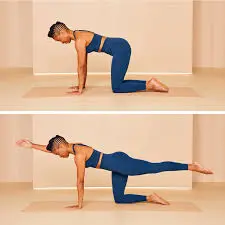
Bird Dog Exercise is a straightforward yet incredibly powerful core-stability exercise that strengthens the shoulders, glutes, lower back, and abdominal muscles while enhancing balance and coordination. This exercise, which is done on all fours while extending the opposing arm and leg, strengthens the muscles that support the spine and encourages good posture.
Bird Dog is particularly helpful for increasing general body control, strengthening spinal stability, and easing lower back pain. It is perfect for novices, rehabilitation programs, and anybody wishing to develop a strong, stable, and pain-free back because it also promotes conscious movement and core engagement.
Conclusion:
To sum up, frequent practice of yoga postures and exercises like Bird Dog, back-bending asanas, and core-strengthening movements is essential for improving posture, strengthening the spine, and lowering the risk of back pain.
These exercises improve balance and coordination, build flexibility, and strengthen supporting muscles. They promote general physical well-being, increased mobility, decreased stress, and a stronger, healthier body when done correctly and consistently.
FAQs:
Can stress cause a forward head position?
Stress also causes us to retain tension in our shoulders and neck, which results in rounded shoulders and a forward head position. Pain and stiffness may come from this position’s impact on the muscles in our upper back and neck.
In order to correct my forward head posture, how should I sleep?
Sleeping on your back with little to no pillow beneath your head, using a rolled towel or thin support beneath your upper back (thoracic spine) to gently extend the spine, keeping your head neutral, and adding pillows beneath your knees for comfort are all important ways to correct forward head posture. Avoid stomach sleeping, which exacerbates hunching, but side sleeping is acceptable if you use a cervical cushion to line your ear with your shoulder and a pillow between your knees to stabilize your pelvis.
Which expert is the best to consult for poor posture?
A variety of posture issues are frequently corrected by chiropractors. Visit this site to learn more, or schedule a chiropractic consultation right away. Improving posture is approached holistically with chiropractic care. It consists of customized exercises, ergonomic advice, and adjustments.
Can posture be affected by one’s sleeping position?
Standing or sitting positions are likely to spring to mind when you consider how bad posture might cause orthopedic problems like neck or lower back pain. However, you might be overlooking a third form of posture that has an equal impact on your health as standing and sitting: how you sleep.
Which muscles are involved in posture correction?
The deep muscles in your back, pelvis, and abdomen are known as postural muscles or core stability muscles. They hold you together like a corset or scaffold. Maintaining proper posture requires having strong core muscles.
Which activity is most effective for improving posture?
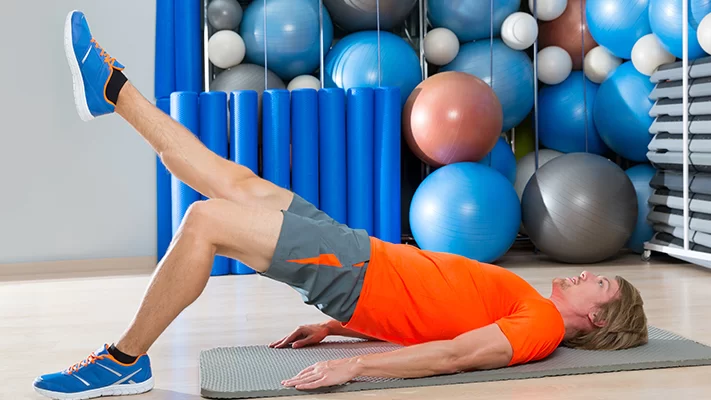
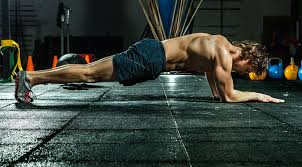
The finest posture exercises, such as Cat-Cow, Bird-Dog, Planks, Wall Slides, Cobra Pose, and Glute Bridges, target spinal alignment, shoulder stability, and core support to prevent slouching and hunching while strengthening your back and core. Frequent practice helps straighten the spine, which lessens the pain caused by extended phone use or sitting.
Which physician is capable of correcting posture?
A chiropractor can guarantee posture correction and treat a variety of postural issues. Hunchback: Stiffness in the upper back is a common cause of hunchbacks. A medical condition, inadequate diet, or poor physical health can all contribute to it. By correcting the bones, chiropractors can relieve stiffness.
Is it possible for an elderly person to improve their posture?
As you become older, kyphosis might not always be a given. Posture issues can be avoided by maintaining strong core, chest, and back muscles. Think about doing strengthening workouts that target your core and shoulders.
Which sleeping position is ideal for good posture?
For optimal spinal alignment, sleeping on your back is frequently regarded as the best position. It maintains the neutral alignment of your head, neck, and spine while distributing your body weight equally. How to Make It Better: To maintain your head in alignment with your spine, place a supporting pillow beneath it.
In order to correct my forward head posture, how should I sleep?
Sleeping on your back with little to no pillow beneath your head, using a rolled towel or thin support beneath your upper back (thoracic spine) to gently extend the spine, keeping your head neutral, and adding pillows beneath your knees for comfort are all important ways to correct forward head posture. Avoid stomach sleeping, which exacerbates hunching, but side sleeping is acceptable if you use a cervical cushion to line your ear with your shoulder and a pillow between your knees to stabilize your pelvis.
How can the forward head position be corrected?
Forward head posture can be corrected by performing daily chin tucks to strengthen neck muscles, stretching tight chest/neck muscles (such as the upper trapezius), improving ergonomics (monitoring at eye level), and practicing mindfulness to maintain neutral head alignment while exercising, sitting, and using phones. The key to real alignment improvement is consistency.
References:
- Prajapati, D. (2025, June 12). 26 Best Exercises for Forward Head Posture – Samarpan Physio. https://www.masterclass.com/articles/dumbbell-bench-presses. https://samarpanphysioclinic.com/26-best-exercise-for-forward-head-posture/
- Smith, E. N. (2024, July 9). Forward head posture: 8 yoga stretches to help alleviate text neck pain. YogaUOnline. https://yogauonline.com/yoga-and-healthy-aging/yoga-for-chronic-pain/forward-head-posture-8-yoga-stretches-to-help-alleviate-text-neck-pain/
- Mood, A. (2025, March 12). 10 yoga poses to help you find better posture. Yoga Journal. https://www.yogajournal.com/poses/yoga-by-benefit/neck-pain/posture-improvement-yoga-poses/
- Allen, W. (2025, October 22). Can yoga fix your posture? The Science behind Yoga for Postural Improvement. https://myyogateacher.com/articles/yoga-for-posture