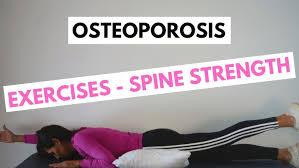
7 Best Spine Strengthening Exercises for Osteoporosis
Introduction:
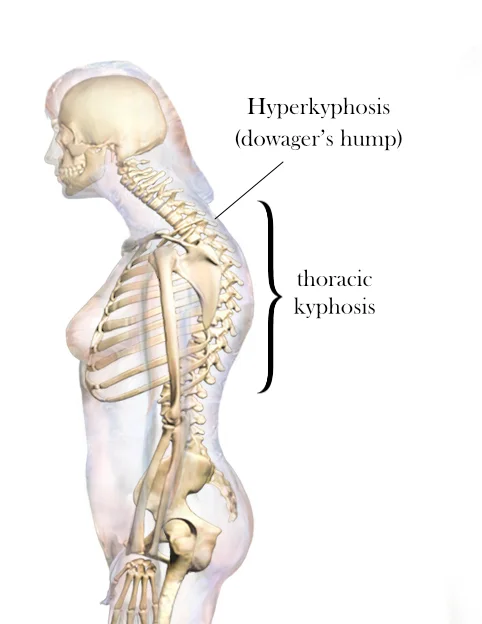
Osteoporosis weakens the bones, particularly in the spine, increasing the risk of pain, fractures, and problems with posture. You may greatly increase stability, support your vertebrae, and lower your chance of injury by strengthening your spinal muscles with safe, focused workouts.
The most effective spine-strengthening exercises for osteoporosis concentrate on maintaining active back muscles without overtaxing the bones, strengthening the core, and improving posture. Including these exercises in your program improves balance, supports increased mobility as you age, and helps preserve spinal health.
Benefits of Spine Strengthening Exercises for Osteoporosis:
Exercises that strengthen the spine promote better posture, lower the risk of vertebral fractures, and increase back stability in general. These exercises help strengthen the muscles surrounding the spine, which improves support for weak bones and lessens osteoporosis-related pain or stiffness.
Additionally, they enhance coordination and balance, which reduces the risk of falls—a critical factor for people with low bone density.
Frequent practice improves spinal alignment, strengthens the core, and increases flexibility, enabling you to move more comfortably and confidently.
7 Best Spine Strengthening Exercises for Osteoporosis Video:
Best Spine Strengthening Exercises for Osteoporosis:
Side Bends:
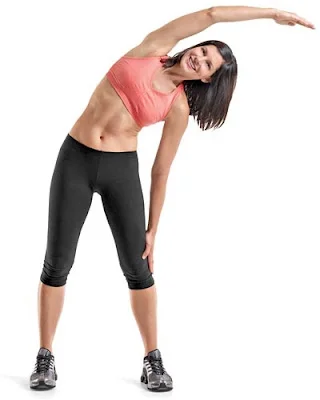
The muscles along the sides of your spine, such as the quadratus lumborum and obliques, can be strengthened and stretched during side bends. This exercise encourages better posture, increases spinal support, and increases lateral flexibility.
Additionally, side bends ease lower back and waist stiffness, which facilitates everyday tasks like reaching and bending. When done properly, they offer a secure and efficient method of strengthening the spine without straining delicate bones.
Overhead Stretch:
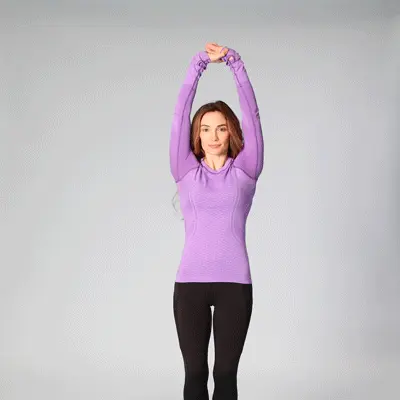
A straightforward yet powerful exercise that helps extend the spine, open the chest, and enhance upper-back mobility is the overhead stretch. You can engage the muscles that maintain proper posture and gently decompress your spine by raising your arms overhead.
Because it improves alignment, eases stiffness, and encourages upright posture without straining the vertebrae, this stretch is beneficial for people with osteoporosis. Additionally, it increases general upper-body flexibility and shoulder mobility.
Cobra Pose:
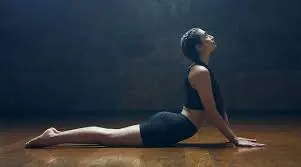
Cobra Pose is a mild back-extension exercise that opens the chest, strengthens the spine, and enhances posture. It stimulates the core, upper back, and lower back muscles, which are vital for maintaining the spine, particularly in those who have osteoporosis.
In order to counterbalance forward rounding of the shoulders and upper back, this stance promotes spinal extension. When done properly, Cobra Pose minimizes tension on delicate bones while promoting good spinal alignment, increasing flexibility, and reducing stiffness.
Superman Pose:
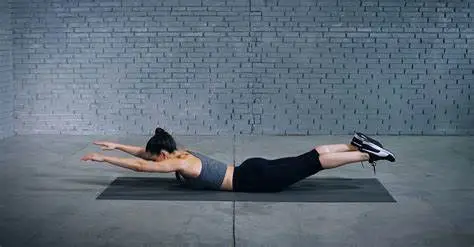
The erector spinae, glutes, and shoulders are among the muscles along the spine that can be strengthened with the Superman Pose, a controlled back-extension exercise.
This position works the entire posterior chain, which is essential for supporting and stabilizing the spine—especially in people with osteoporosis—by simultaneously raising the arms and legs off the ground.
It helps improve posture, lessen stiffness, and increase general back strength without putting undue strain on the vertebrae when done carefully and correctly.
Bird Dog Exercises:
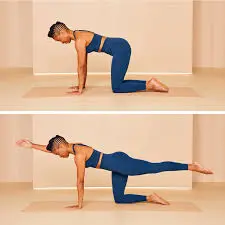
For those with osteoporosis in particular, bird dog exercises are among the safest and best ways to strengthen the spine. This workout works the glutes, lower back, core, and stabilizing muscles that support the spine.
Bird Dog enhances balance, spinal stability, and coordination without straining delicate bones by extending the opposing arm and leg while keeping the back neutral.
It improves general functional strength, eases lower back stiffness, and assists with posture correction, all of which make daily activities safer and easier.
Seated Knee Tucks:

A mild core-strengthening exercise that enhances spinal stability and support is the seated knee tuck. This exercise works the hip flexors and lower abdominal muscles, which are crucial for preserving good spinal alignment, by pulling the knees toward the chest while seated.
Strong core muscles help people with osteoporosis feel less pressure on their vertebrae and are less likely to experience pain from their posture. Additionally, sitting knee tucks improve functional strength and balance, making daily lifting and bending motions safer and easier.
Bridge Pose:
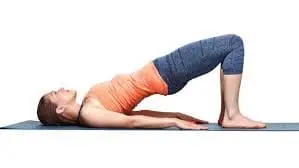
Bridge Pose, which works the lower back, glutes, hamstrings, and core muscles, is a great way to strengthen your spine. This position helps to support and stabilize the spine by raising the hips off the ground, which is particularly beneficial for people with osteoporosis.
Additionally, Bridge Pose increases hip mobility, lessens lower back tightness, and improves posture. When done properly, it improves spine alignment and offers mild strengthening without putting undue strain on delicate vertebrae.
Conclusion:
Exercises that strengthen the spine are essential for controlling osteoporosis because they improve posture, increase stability, and lower the risk of vertebral fractures. Building supportive muscle strength around weak bones can be achieved by incorporating safe and regulated exercises such as bridges, bird dog, cobra, and moderate stretches.
These exercises can reduce stiffness, enhance balance, and increase general mobility with consistent practice, enabling you to move with confidence and preserve your spine. Always execute them with awareness, and if you have recent fractures or severe pain, seek medical advice.
FAQs
If you have osteoporosis, how can you strengthen your spine?
Push-ups, planks, lifting weights, and working against resistance bands are a few types of strength training activities. It’s crucial to begin with low resistance and progressively raise it as the muscles gain strength.
Which exercises should I avoid if I have osteoporosis?
Exercises that require spinal flexion or twisting, such as sit-ups, toe touches, and some yoga or golf swings, should be avoided by those with osteoporosis. High-impact exercises, like jogging or leaping, should also be avoided. Activities that raise the risk of falls and those involving abrupt, forceful movements should be avoided. A person with osteoporosis should speak with a physician and a physiotherapist before beginning any new fitness regimen.
Does excessive walking contribute to osteoporosis?
It has been demonstrated that walking increases hip and femoral neck bone density. According to recent studies, walking quickly can help prevent osteoporosis and promote bone health. Don’t give up if you haven’t gone for a stroll in a while or if you stroll.
Can osteoporosis be reversed by vitamin D?
Although there is no cure for osteoporosis, consuming calcium and vitamin D can help prevent consequences like bone fractures.
Can osteoporosis be reversed by walking?
Exercise has some significant advantages for those who have osteoporosis, but it cannot completely reverse or cure the condition. Frequent exercise helps decrease the disease’s course by reducing bone loss.
Which organ is most impacted by osteoporosis?
The hip, wrist, or spine is most frequently affected by osteoporosis-related fractures. As living tissue, bone is continuously being replaced and broken down.
Which three workouts are the best for osteoporosis?
However, studies show that strengthening activities are the best way to prevent and treat osteoporosis. Among them are: Exercises involving weight bearing: Activities that require you to move against gravity while standing are known as weight-bearing aerobics. Dancing, stair climbing, and brisk walking are a few examples.
Which vitamin is most effective against osteoporosis?
Maintaining ideal bone health and preventing osteoporosis requires a diet high in calcium. Additionally, vitamin D aids in the body’s absorption of calcium so that it may be deposited into bones. As we age, we need more calcium and vitamin D to maintain healthy bones.
What should you do if you have osteoporosis in your spine?
Do not flex or bend your spine forward when exercising or going about your regular activities if you have osteoporosis. This is a crucial rule to keep in mind. Leaning back or bending backward, however, lessens the strain on the front of the spine.
What kind of workout makes your spine stronger?
The bird-dog, bridge, plank, and dead bug are exercises that strengthen the spine. Pilates, yoga, resistance band training, and weighted exercises like squats are other beneficial choices, provided that the activities are done correctly to support the spine, such as by keeping the back straight.
What is osteoporosis’s silent killer?
A fracture can result from even small trauma or mild stress because osteoporosis makes bones thin and fragile. Furthermore, osteoporosis in the spine frequently results in a gradual height decrease. Osteoporosis is sometimes referred to as “the silent killer” because it typically shows no signs.
Can my spine’s osteoporosis be reversed?
The short answer is negative; osteoporosis is not thought to be curable and cannot be totally reversed. However, you can improve bone loss by making a number of lifestyle and health changes. Medication to assist in rebuilding and slowing down bone loss may also be prescribed by your doctor.
Which activity is most effective for treating osteoporosis in the spine?
Walking, dancing, elliptical training machines, low-impact aerobics, stair climbing, and gardening are a few examples. These exercises decrease bone loss by directly affecting the bones in the lower spine, hips, and legs.
References:
- Hellicar, L. (2023, June 9). 6 exercises for osteoporosis of the spine. https://www.medicalnewstoday.com/articles/exercises-for-osteoporosis-of-the-spine
- Exercising with osteoporosis: Stay active the safe way. (n.d.). Mayo Clinic. https://www.mayoclinic.org/diseases-conditions/osteoporosis/in-depth/osteoporosis/art-20044989
- Exercises for osteoporosis of the spine. (n.d.). https://www.getwellen.com/well-guide/top-exercises-for-osteoporosis-of-the-spine
- Exercise for bone health. (n.d.). https://theros.org.uk/information-and-support/bone-health/exercise-for-bones/
- Joan. (2022, April 28). Exercises for osteopenia of the spine — Joan Pagano Fitness. Joan Pagano Fitness. https://www.joanpaganofitness.com/aging-gracefully-blog/2022/2/15/exercises-for-osteopenia-of-the-spine
- Martin, M. (2025, April 3). Exercises for osteoporosis of the spine. MelioGuide. https://melioguide.com/osteoporosis-exercises/osteoporosis-exercises-for-spine/