How to Fix Inner Knee Pain?
Introduction:
Your everyday activities may be impacted by inner knee pain, making it challenging to walk, bend, squat, or exercise comfortably. Ligament strain, meniscus irritation, weak supporting muscles, or tightness surrounding the knee joint are common causes of this pain.
The good news is that you may reduce pain, enhance knee stability, and promote long-term rehabilitation with the correct strategy—gentle mobility exercises, focused strengthening, and appropriate stretching. You will learn how to safely treat inner knee pain at home with the help of this tutorial.
Benefits of Fix Inner Knee Pain:
- Helps lessen pain and soreness on the inside of the knee.
- Increases joint stability for safer bending, standing, and walking
- Increases knee range of motion by relaxing tense muscles and surrounding tissues.
- Strengthens important muscles that support the joint, such as the adductors, hamstrings, and quadriceps.
- Enhances alignment and movement control to stop additional strain or injury.
- Makes routine tasks like sitting, squatting, and climbing stairs more pleasant.
- Promotes quicker healing and long-term knee health with gradual, safe exercises.
How to Fix Inner Knee Pain Video:
Exercises to Fix Inner Knee Pain:
Straight Leg Raises:
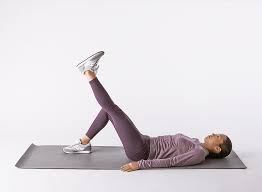
Straight leg raises are perfect for inner knee pain since they are a mild yet powerful workout that strengthens the quadriceps without bending the knee. With one leg straight and the other bent, lie on your back. Lift your straight leg gradually to the level of the opposing knee while tightening the thigh muscle.
After a few interval of holding, carefully lower. By strengthening the muscles that aid in guiding knee movement, this exercise enhances knee stability, promotes correct alignment, and lessens pressure on the inner knee.
Clamshells:
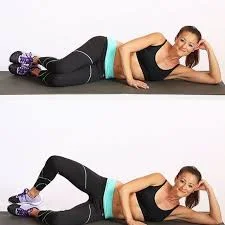
The gluteus medius, a crucial hip muscle that promotes appropriate knee alignment and lessens inward collapse, which frequently causes inner knee pain, is strengthened with clamshells. Bend your knees and place your feet together while lying on your side. Maintaining your hips steady and your core active, raise your upper knee while maintaining your feet in contact.
Lower the knee back down slowly and deliberately. Walking, standing, and other daily activities put less strain on the inner knee thanks to this exercise, which also improves leg mechanics and hip stability.
Wall Sit:

Wall sits are a great way to strengthen the quadriceps, glutes, and core—muscles that are important for knee joint stability. If it’s comfortable, slide down into a sitting position with your thighs parallel to the floor and your knees over your ankles while standing with your back against a wall.
Maintain this posture with your core active and your back flat on the wall. By improving total lower-body stability, this exercise increases knee endurance, strengthens joint support, and lessens inner knee strain.
Hamstring Stretch:
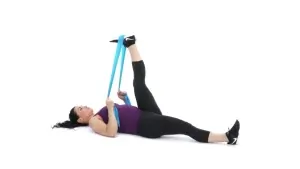
Stretching the hamstrings helps loosen up the back of the thigh, which can pull on the knee joint and cause pain in the inner knee. Sit on the floor with one leg extended straight and the other bent, or keep both legs straight depending on your comfort.
Maintaining a straight back and avoiding rounding, gently bend forward from your hips toward the straight leg’s toes. Don’t bounce while holding the stretch. This exercise releases tension in the hamstrings, improves flexibility, and helps avoid unneeded load on the inner knee during walking and daily activity.
Conclusion:
Combining targeted strengthening, good alignment exercises, and moderate stretching makes treating inner knee pain much easier. You can lessen pain and avoid further aggravation by increasing flexibility, engaging the appropriate muscle groups, and improving overall knee stability.
It’s important to be consistent; do these exercises on a regular basis and advance progressively as your knee gets stronger. For a customized evaluation and treatment plan, think about speaking with a healthcare provider if your pain continues or gets worse.
FAQs:
Which exercises are beneficial for the inner knee?
Common workouts that target your quadriceps can develop your inner knee muscles with little adjustments to the exercise position. Incorporate squats, quad sets, and straight leg raises into your inner thigh exercise.
Can knee pain be caused by being overweight?
Yes, being overweight can result in knee pain because it puts more strain and stress on the knee joints, which accelerates inflammation and cartilage deterioration. This can change the biomechanics of the knees, resulting in pain, instability, and decreased mobility, and raise the chance of developing diseases like osteoarthritis.
Can inner knee pain be caused by tense hamstrings?
In example, tense hamstrings can put more strain on the knee joint. This additional strain may worsen ailments like patellofemoral pain syndrome or potentially hasten the onset of osteoarthritis. Tightness from overusing the hamstrings can exacerbate knee pain.
How can I lubricate my knees naturally?
Stay hydrated, consume a diet high in omega-3 fatty acids (such as flax seeds and salmon), and engage in low-impact activities like strength training or walking to increase synovial fluid to naturally lubricate knee joints. Anti-inflammatory foods like turmeric may help lower inflammation, and a diet rich in vitamin C can also support the health of cartilage.
What kind of exercise works best for knee pain?
Because they develop the surrounding muscles (quadriceps, hamstrings, and glutes) without placing undue strain on the joint, exercises like straight leg lifts, side leg raises, and bridges are great for treating knee pain. Heel slides are a low-impact method of increasing flexibility, while walking is helpful for knee and cardiovascular health. See a healthcare professional before beginning any new workout regimen.
When should I consult a physician if I have inner knee pain?
If your inner knee pain persists for more than a few days, see a doctor. If you are unable to move or utilize your knee, see a provider immediately. Avoid putting weight on your knee or forcing yourself to walk, especially if you are aware that you have an injury.
What makes women’s knees hurt?
ACL tears, osteoarthritis, and overuse injuries including patellofemoral pain syndrome are among the many causes of knee pain in women. Hormonal changes that impact joint laxity, autoimmune diseases like rheumatoid arthritis, obesity, and particular illnesses like meniscus tears or IT band syndrome are other causes.
How quickly can knee pain be healed?
Use the R.I.C.E. method (rest, ice, compression, and elevation), switch between cold and heat therapy, and engage in mild exercises to strengthen the surrounding muscles to get rid of knee pain swiftly. Other essential procedures for quick relief include visiting a doctor for a good diagnosis and using over-the-counter pain medicines.
Can knee pain be caused by a vitamin deficiency?
Indeed, vitamin deficiencies can result in knee pain, particularly in cases of vitamin D insufficiency, which can weaken bones and create pain akin to arthritis. Knee and joint pain has also been connected to other deficits, such as those in magnesium and vitamin C. For an accurate diagnosis and treatment plan, it’s critical to speak with a healthcare provider.
How should inner knee pain be treated?
Physical therapy, medication, and surgery are used to address inner knee pain. What exactly is wrong with your knee will determine whether you require treatment and what kind of treatment you receive. For example, if you have osteoarthritis that causes excruciating pain or cartilage loss (a meniscus tear), you may be more likely to require surgery.
Does inner knee soreness go away on its own?
Ice and mild stretching are two at-home treatments that may help if you have pain on the inside of your knee. Depending on the cause and severity, you might require physical therapy, injections, or surgery.
How can my inner knee be stretched?
Hold one leg behind your thigh with your hands. With your foot flexed, raise your leg into the air. As much as you can, straighten your leg without locking your knee. Repeat with the other leg after holding the stretch and going back to the beginning position.
Why does pregnant women get knee pain?
The hormone relaxin, which is released by the body during pregnancy, causes a variety of bodily changes that may result in knee pain. Relaxin’s function is to facilitate the real structural changes that occur in a pregnant woman’s body. Bones, tendons, ligaments, muscles, and cartilage are all impacted by relaxin.
What is causing the inside pain in my knee?
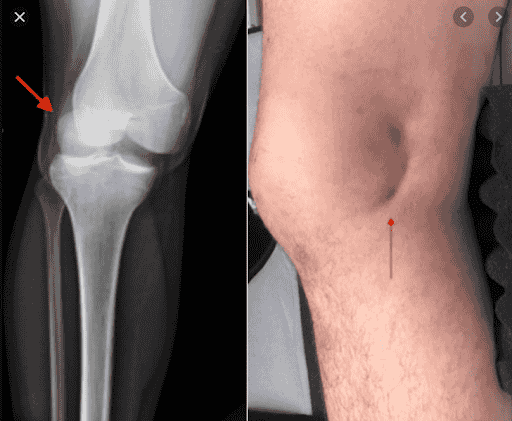
Pes anserine bursitis, osteoarthritis, and injuries to the medial collateral ligament (MCL) or medial meniscus can all result in pain inside the knee. Overuse, abrupt twists, or direct knee impacts are frequently the cause of these problems.
References:
- Crna, R. N. M. (2025, February 12). How to identify and treat inner knee pain. https://www.medicalnewstoday.com/articles/321065
- Professional, C. C. M. (2025, October 27). Inner knee pain (Medial knee pain). Cleveland Clinic. https://my.clevelandclinic.org/health/symptoms/inner-medial-knee-pain
- Ocs, T. P. D. (2025, November 3). 8 Exercises to ease medial (Inner) knee pain. Verywell Health. https://www.verywellhealth.com/medial-knee-pain-exercises-5120563
- Griffith, T. (2024, March 11). 7 Common causes of inner knee pain and how to treat it. Healthline. https://www.healthline.com/health/inner-knee-pain
- Alleviate_Admin. (2025, September 5). Pain on the inner side of the knee: Causes, symptoms, diagnosis, and treatment. Alleviate Pain Clinic. https://alleviatepainclinic.com/blog/pain-on-the-inner-side-of-the-knee-causes-symptoms-diagnosis-and-treatment/