
Best Cervical Spine Pain Relief Exercises at Home
Introduction:
The most common causes of cervical spine pain, which manifests as stiffness, tension, or neck pain, include bad posture, extended desk work, or muscular imbalance. Even basic actions can be painful when the neck muscles become weak or tense.
Fortunately, mild neck exercises can aid with posture correction, pain relief, and mobility restoration. These easy exercises are a great at-home remedy for regular cervical pain since they improve blood flow, alleviate tense muscles, and strengthen the neck’s supporting structures.
Benefits of Gentle Neck Exercises:
There are numerous significant advantages to gentle neck exercises for lowering cervical spine pain and enhancing neck health in general. They facilitate improved movement in the upper spine, relieve stiffness, and relax tense muscles.
Additionally, these activities improve blood circulation, which promotes healing and lowers inflammation. Frequent exercise improves posture and lessens the strain caused by extended periods of sitting or screen time by strengthening the neck and shoulder muscles.
These easy exercises can help keep your cervical spine flexible, stable, and pain-free over time and help prevent recurrent neck problems.
Cervical Pain Relief Neck Exercises Video:
5 Gentle Neck Exercises:
Chin Tucks:
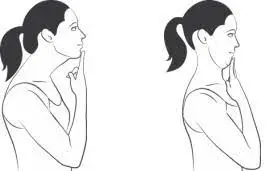
A quick and easy way to improve posture and lessen neck strain is to perform chin tucks. This exercise stretches the muscles at the back of your neck while gently strengthening the deep neck flexor muscles. To do it, sit or stand upright and carefully pull your chin straight back without tipping your head up or down, creating the appearance of a “double chin.”
After a few seconds of holding, let go. Chin tucks are among the best exercises for long-term neck health because they counterbalance forward-head posture, lessen cervical spine tension, and improve alignment.
Neck Tilts:
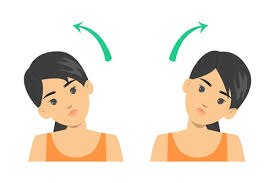
A mild exercise that helps reduce tension in the upper shoulders and sides of your neck is neck tilts. Sitting or standing upright, progressively tilt your head toward one shoulder without lifting the other. The side of your neck should feel somewhat stretched. Hold for a short while, then go back to the center and do it again on the opposite side.
This exercise relieves stiffness caused by bad posture or extended screen time, increases flexibility, and eases tense muscles. Frequent neck tilts reduce daily neck aches and improve cervical mobility.
Neck Rotation:

Your cervical spine’s flexibility and mobility can be gradually increased via neck rotations. Keeping your chin level, progressively swivel your head to one side as far as is comfortable while sitting or standing with your back straight. After a brief moment of holding, move back to the center and repeat on the opposite side.
This exercise improves your ability to move your head easily throughout daily tasks, eases stiffness from extended sitting, and helps release tight neck muscles. Additionally, regular neck rotations improve posture and neck function in general.
Isometric Neck Extension:
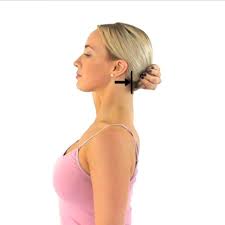
The muscles at the back of your neck are strengthened by isometric neck extension, a workout that doesn’t require movement. Place your palms or the back of your hand against the back of your head while sitting or standing straight.
Keeping your head and neck motionless, gently push your head back into your hand while applying equal pressure to oppose the movement. After a few seconds of holding, let go. This exercise is particularly helpful for relieving pain from weak or overused neck muscles since it strengthens the posterior neck muscles, enhances posture, and helps stabilize the cervical spine.
Isometric Neck Flexion:
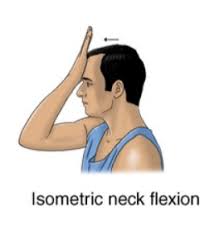
Without requiring movement, isometric neck flexion strengthens the muscles in the front of your neck. Place your palm or fingers against your forehead while sitting or standing upright to complete the exercise. To prevent your head from moving, gently press it forward into your hand while exerting equal resistance.
After a few seconds of holding, let go. The deep neck flexor muscles are activated by this deliberate contraction, which also enhances neck stability and lessens strain from bad posture or forward-head orientation. Frequent practice can maintain a stronger cervical spine and help avoid neck fatigue.
Isometric Neck Side Flexion:
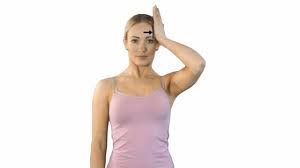
By strengthening the muscles along the sides of your neck, isometric neck side flexion helps you become more stable and less stiff. Put your palm against the side of your head, slightly above your ear, while sitting or standing upright. To stop yourself from moving, gently press your head in the direction of your hand while exerting equal resistance.
After a few seconds of holding, let go and repeat on the opposite side. This exercise promotes correct alignment, balances the power of the neck muscles, and lowers the chance of strain from regular posture habits.
Quadruped Banded Neck Extension:
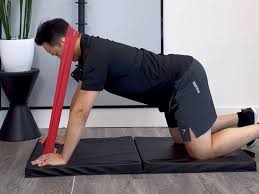
An effective strengthening exercise for the deep and superficial extensor muscles of the cervical spine is quadruped banded neck extension. With a resistance band fastened in front of you and looped around the back of your head, start on all fours.
Lift your head up without slumping your shoulders to gently lengthen your neck against the resistance of the band while maintaining a neutral spine and an engaged core.
Hold for a moment, then carefully return to the starting position. This exercise strengthens the muscles that support your cervical spine throughout regular activities, enhances posture, and helps stabilize your neck.
Shoulder Rolls:
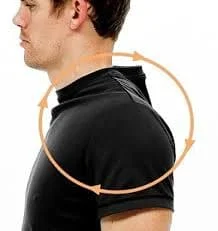
Shoulder rolls are a straightforward yet powerful exercise that relieves stress in the upper back, shoulders, and neck. To execute them, slowly roll your shoulders in a smooth circle upward, backward, and downward while sitting or standing upright. Roll them forward by reversing the direction after a few repetitions.
By reversing the rounded-shoulder position that occurs when sitting for extended periods of time, this exercise improves posture, enhances blood flow, and releases tense shoulder and neck muscles. Frequent shoulder rolls encourage general upper-body relaxation and lessen neck pain.
Upper Trapezius Stretch:
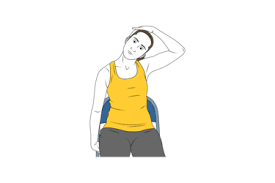
One of the most frequent places for tension and pain caused by stress is the side of the neck and top of the shoulder, where the upper trapezius stretch helps release tension. To do it, bend your head gently toward one shoulder while sitting or standing up straight.
While keeping the opposing shoulder relaxed and down, lightly press with your palm on the same side to deepen the stretch. After a few seconds of holding, flip sides. This stretch helps ease shoulder and neck pain caused by poor posture or prolonged sitting by increasing flexibility and reducing stiffness.
Conclusion:
A quick and easy strategy to reduce cervical spine pain, increase mobility, and strengthen the muscles supporting your neck is to incorporate mild neck exercises into your everyday routine.
These exercises improve posture, lessen stiffness, and help avoid recurrent pain caused by extended sitting or screen time. You may relieve tension, maintain a healthier, more flexible neck, and restore balance to your cervical spine with regular practice.
FAQs:
What kind of exercise is bad for cervical health?
Exercises involving heavy overhead lifting, violent motions, and extreme neck extension should be avoided if you have cervical spine problems. Running, military presses, upright rows, and neck rolls are specific workouts that should be avoided because they can produce jarring movements, cause strain, or put pressure on the spinal cord. Before beginning a new fitness regimen, it is imperative to cease any activity that results in excruciating pain, headaches, or lightheadedness and to consult a physician.
Which physician should I see if I have cervical pain?
Depending on the origin and symptoms, see an orthopedist, neurosurgeon, neurologist, or physiatrist (sometimes referred to as a rehabilitation specialist) for cervical (neck) pain. A neurologist specializes in nerve-related difficulties, whereas an orthopedist or neurosurgeon is most suited for structural problems. The ideal person to help with rehabilitation and functional development is a physiatrist. Starting with your primary care physician is usually the best option because they may then recommend you to the right expert.
For neck pain, which dry fruit works best?
Figs, plums, and dried dates are all excellent foods for joint pain relief. Dried fruits are an excellent source of nourishment with therapeutic and anti-inflammatory qualities since they are full of vitamins and phenolic antioxidants.
What is the long-term remedy for cervical pain?
Since the origin of neck pain determines the course of treatment, there isn’t a single “permanent” remedy. However, permanent remedies frequently include surgery for severe instances or methods like radiofrequency ablation for persistent facet joint pain. Ongoing ergonomic and postural modifications to avoid recurrence, as well as regular physical therapy to strengthen and enhance flexibility, are additional long-term care techniques. Many people find long-lasting relief by using these strategies.
Can neck pain be caused by stress?
Indeed, stress can induce neck pain because it sets off a “fight-or-flight” reaction that tightens muscles, particularly those in the shoulders and neck, when combined with bad posture, which many people adopt when under stress, this muscle strain can result in stiffness, soreness, and even chronic pain.
What should not be done when you have cervical pain?
Avoid heavy lifting, abrupt neck motions, and high-impact activities to treat cervical pain and prevent additional damage. Additionally, refrain from slouching, stomach sleeping, and bad posture, particularly when using electronics. Smoking, holding the phone between your shoulder and ear, and using a pillow that is too high or too low are other things to avoid.
Which vitamins are beneficial for cervical pain?
Your spine’s cartilage may deteriorate with age, resulting in pain and pain. Supplementing with glucosamine and chondroitin can help maintain healthy cartilage and lower the chance of spinal deterioration.
How long does it take to heal from cervical pain?
Recovery times for cervical (neck) pain vary depending on the origin and severity, but they usually range from a few days to a few weeks for acute strains to possibly several months or longer for severe or chronic disorders. While more severe injuries like sprains might take four to six weeks to recover, mild pain from tense muscles may go away in one to two weeks. A long-term strategy comprising physical therapy, lifestyle modifications, and possibly medication intervention is sometimes required for chronic or severe pain lasting more than 12 weeks.
What is the reason for neck pain?
Although other reasons are more common, deficits in iron, vitamin D, and B12 can induce neck pain. While a B12 shortage can impact the nerves and cause neck pain, a vitamin D deficiency can cause muscle weakness and pain. For some people, chronic neck pain is also associated with iron deficiency.
Does walking help with cervical pain?
Exercise can help keep your neck and spine in better form, despite the temptation to avoid it due to pain. Yoga, swimming, and walking help increase general flexibility and strengthen the muscles that support the neck.
When does neck pain become severe?
If neck pain is caused by a significant injury, is followed by symptoms like fever or a bad headache, or involves neurological problems like loss of bladder or bowel control, numbness, weakness, or tingling in the arms or legs, it is considered serious. If the pain is severe, doesn’t go away with self-care after a few weeks, or continues when motionless, immediate medical assistance is also required.
What beverage relieves cervical pain?
Turmeric
Turmeric is another common treatment for cervical spondylosis because of its anti-inflammatory qualities. Turmeric also improves blood circulation, which lessens pain and stiffness in the muscles. In a glass of milk, combine one teaspoon of turmeric powder with honey. Drink it twice a day.
Which sleeping posture is ideal for people with cervical pain?
Because they allow you to keep your neck in a neutral posture, sleeping on your back or side is the greatest option for people with cervical pain. Avoid sleeping on your stomach as this will cause your neck to stretch and twist. Keep your head and neck in line with your spine by using a supporting pillow.
How can cervical pain be treated the quickest?
Try using a self-massage technique, gently stretching your neck, or applying a hot or cold compress for immediate relief from cervical pain. A warm Epsom salt bath or an over-the-counter pain medicine may be helpful for more chronic pain, as can rest and proper posture.
For cervical pain, which exercise is most effective?
For cervical pain, the best range-of-motion exercises to increase flexibility and control symptoms include neck tilts, rotations, and forward chin tucks. Neck stabilization is also aided by strengthening workouts like shoulder blade squeezes and isometric presses. Always take your time doing these exercises, keep an eye on your pain, and quit if it gets worse.
References:
- Physio, S. (n.d.). Best 5 Exercises for Cervical Spondylosis – Surrey Physio. Surrey Physio. https://www.surreyphysio.co.uk/top-5/best-5-exercises-for-cervical-spondylosis/
- NHS inform. (2025, February 6). Exercises for neck muscle and joint problems | NHS inform. NHS Inform. https://www.nhsinform.scot/illnesses-and-conditions/muscle-bone-and-joints/neck-and-back-problems-and-conditions/exercises-for-neck-problems
- Meyler, Z., DO. (2019, February 27). Stretches and exercises for neck pain and dizziness. Spine-health. https://www.spine-health.com/conditions/neck-pain/stretches-and-exercises-neck-pain-and-dizziness
- Stretching for back and neck pain [12 Practical Exercises] | National Spine Health Foundation. (2024, April 2). National Spine Health Foundation. https://spinehealth.org/article/stretching-back-neck-pain/
- Davis, N. (2024, March 13). 19 Exercises to relieve upper back pain, neck pain, and more. Healthline. https://www.healthline.com/health/fitness-exercise/upper-back-pain-exercises