10 Best Standing Cool-Down Exercises After Workout!
Introduction:
Standing cool-down exercises make the procedure easy, efficient, and convenient. Cooling down after a workout is just as vital as the exertion itself. Without requiring you to sit or lie down, these exercises help you develop flexibility, release tense muscles, and gradually lower your heart rate.
Standing cool-down exercises help your body transition seamlessly into recovery while avoiding stiffness and pain, whether you’ve just finished a fast at-home workout, a cardio routine, or a strength training session. They are ideal for people with hectic schedules who desire a brief but thorough cool-down that promotes mobility, muscle relaxation, and general well-being.
Benefits of Best Standing Cool-Down Exercises After Workout:
After each workout, standing cool-down exercises provide a number of significant advantages that aid in your body’s safe and efficient recovery. They prevent dizziness and abrupt reductions in blood pressure by gradually slowing your heart rate. Additionally, these exercises increase flexibility, stretch tense muscles, and lessen stiffness after a workout.
They are accessible, convenient, and ideal for those who would rather not go on the floor because they are completed standing. Standing cool-downs also assist your body in seamlessly transitioning from exercise to rest by improving blood circulation, encouraging relaxation, and supporting improved mobility.
10 Best Standing Cool-Down Exercises After Workout Video:
Best Standing Cool-Down Exercises After a Workout:
Standing Forward Fold:
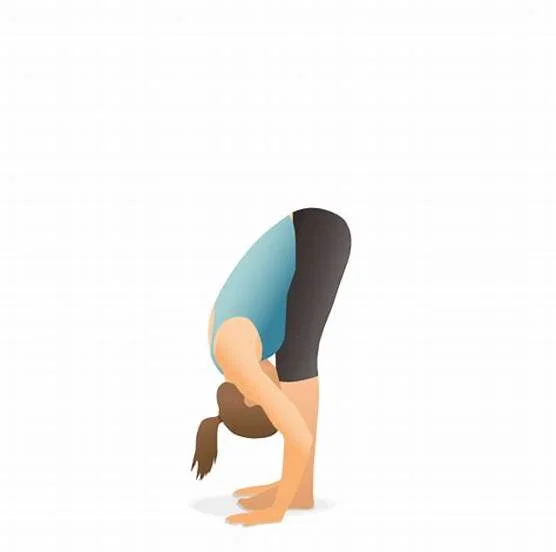
After a workout, the Standing Forward Fold is a mild yet efficient cool-down exercise that helps relieve tension in the hips, lower back, and hamstrings. To do it, place your feet hip-width apart, bend forward from your hips, and let your upper body fall naturally toward the ground.
By slowing the breath, this pose lengthens the spine, increases flexibility, and fosters deep relaxation. During your cool-down routine, it’s a great method to relax and stretch your entire backside.
Standing Quadriceps Stretch:
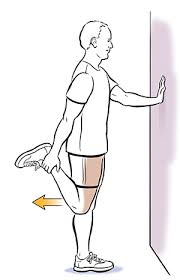
After a workout, the Standing Quadriceps Stretch is a crucial cool-down exercise that works the front thigh muscles. To do so, take a tall stance and gently bend one leg so that your heel is closer to your glutes. Maintaining an erect posture, hold your ankle with your hand and keep your knees close together.
If necessary, you can use a chair or a wall for balance. This stretch promotes more knee mobility, increases hip flexibility, and relieves quadriceps tension. It’s an easy yet powerful way to improve post-workout recovery and lessen muscular stiffness.
Side Stretch:
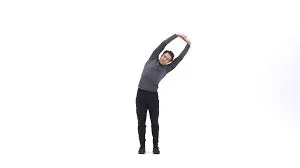
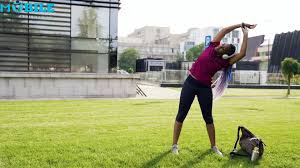
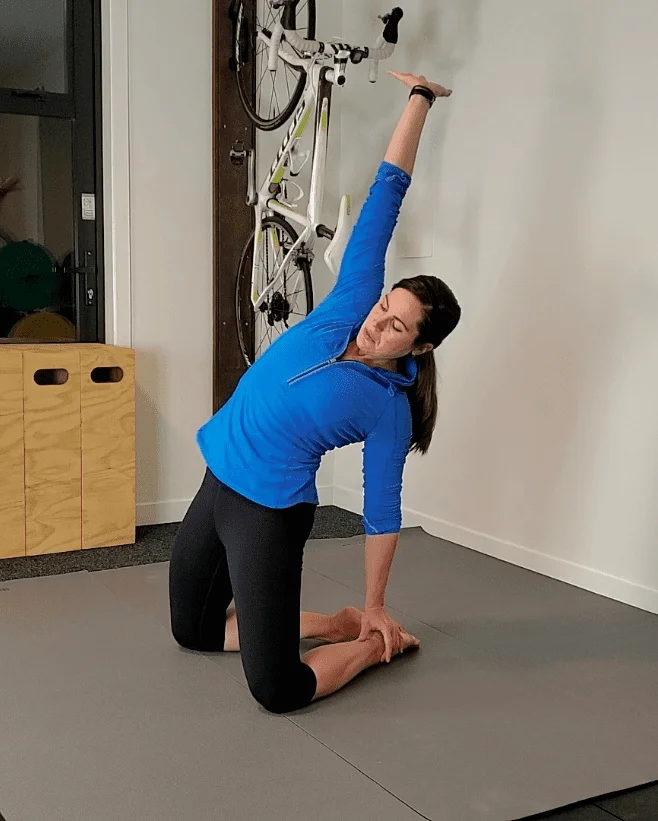
The Side Stretch, which lengthens the muscles down your sides, including the obliques, ribs, and lats, is a calming and efficient cool-down exercise. To do it, raise one arm overhead, maintain your chest open, stand tall with your feet hip-width apart, and softly lean to the other side. The side of your body should stretch comfortably.
After a few breaths of holding, switch sides. This stretch is a fantastic addition to any standing cool-down regimen because it helps increase flexibility, relieve upper body tension, and improve general mobility.
Chest Opener:
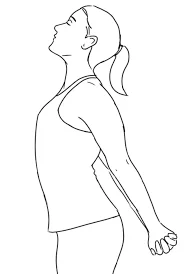
The Chest Opener is a straightforward but effective standing cool-down exercise that releases tension in the upper back, shoulders, and chest—areas that frequently stiffen during activity. To do it, raise your arms softly while opening your chest forward, stand erect, and interlace your fingers behind your back.
Avoid arching your lower back and maintain a relaxed posture. This stretch increases upper-body mobility, corrects slouching, and improves posture. After your workout, it’s a great way to relax and encourage enhanced breathing.
Standing Calf Stretch:
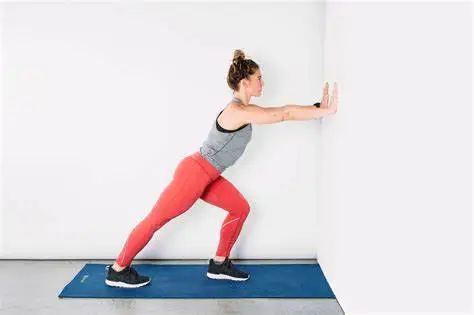
The calf muscles, which frequently contract after walking, jogging, or lower-body exercises, are the focus of the Standing Calf Stretch, an efficient cool-down exercise. It involves standing with your rear leg straight, stepping one foot back, and pressing your heel into the ground while facing a wall.
You should feel a tiny stretch in the calf of the outstretched leg as you lean slightly forward into the wall. After holding the position, change sides. This stretch is a great addition to any post-workout regimen since it increases ankle flexibility, lessens muscular stiffness, and promotes improved lower-body mobility.
Shoulder Rolls:
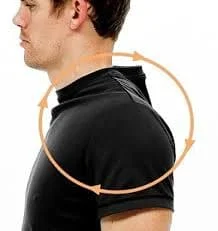
Shoulder rolls are an easy and calming cool-down exercise that relieves tension that has accumulated in the upper back, neck, and shoulders after a workout. To execute them, take a tall stance, put your arms at your sides, and slowly rotate your shoulders forward in a circular motion.
After a few rounds, roll them backward in the opposite way. Maintain a calm and fluid motion. This exercise is ideal for relieving upper-body stress and encouraging relaxation after your workout since it increases blood flow, decreases stiffness, and improves shoulder mobility.
Standing Spinal Twist:
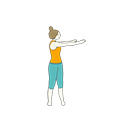
After a workout, the Standing Spinal Twist is a mild cool-down exercise that helps reduce tension in the lower back, hips, and spine. Place your hands on your hips or raise your arms to shoulder height, then slowly turn your torso to one side while standing with your feet hip-width apart.
Twist only as much as it feels comfortable while keeping your hips facing forward. Hold for a moment, move back to the center, and then flip sides. This stretch is a great method to complete your standing cool-down practice because it increases spinal mobility, promotes relaxation, and improves posture.
Standing Hamstring Stretch:
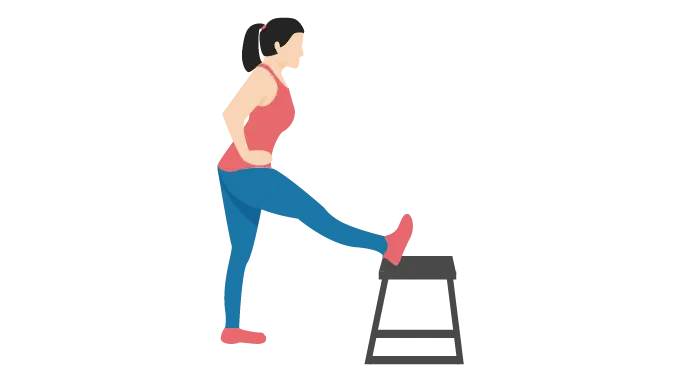
After exercises like running, jumping, or strength training, the Standing Hamstring Stretch is a useful cool-down that helps relieve tension in the back of your thighs. To do it, take a tall stance and extend one leg slightly forward with the toes pointing up and the heel on the ground.
Keeping your back straight, gently tilt forward from your hips and lower your torso until the extended leg’s hamstring feels comfortable. For balance, keep the supporting knee slightly bent. After holding the stretch, switch sides. This exercise promotes easy post-workout recovery, increases flexibility, and lessens muscular stiffness.
Neck Stretch:
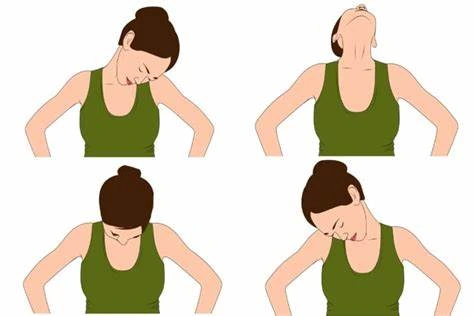
The Neck Stretch is a soothing and useful standing cool-down exercise that relieves tension that has accumulated in the upper shoulders and neck following an exercise session. To do it, take a tall stance and slowly turn your head to one side, bringing your ear close to your shoulder. Do not elevate your shoulders; instead, keep them relaxed.
If it feels comfortable, you can gently place your palm on the side of your head to achieve a deeper stretch. This stretch is the ideal way to complete your cool-down regimen because it increases neck mobility, eases stiffness, and encourages relaxation.
Deep Breathing Exercises:
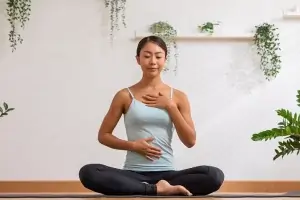
In order to help your body shift from exertion to relaxation, deep breathing exercises are a calming and crucial component of a standing cool-down program. Put one hand on your chest and the other on your abdomen, relax your shoulders, and stand tall with your feet hip-width apart to perform them.
Breathe in deeply with your nose, letting your stomach grow, and then softly release the breath through your mouth. To relax your nervous system, concentrate on breathing slowly and deliberately. After your workout, this technique lowers your heart rate, eases stress, increases oxygen flow, and fosters a feeling of relaxation and well-being.
Conclusion:
A straightforward yet effective method to facilitate your body’s seamless transition from activity to recuperation is to perform standing cool-down exercises. These exercises provide more mobility and avoid post-workout stiffness by gradually lowering your heart rate, easing tense muscles, and increasing flexibility.
For those who would rather remain upright during their cool-down exercise, they are ideal because they are easily accessible and comfortable. Regularly using these movements will improve circulation, improve relaxation, and leave your body feeling balanced and renewed after each session.
FAQs:
Which beverage helps the body lose heat?
Drink lots of cool water, coconut water, buttermilk, and fresh juices like watermelon or cucumber to lower body heat; make herbal drinks with fennel, coriander, or mint; and use cooling additives like lemon, rose syrup, or aloe vera juice to hydrate, replenish electrolytes, and calm your body. Using these natural coolers to stay hydrated relieves internal heat and aids in controlling body temperature.
How can a leg day be swiftly recovered from?
Hydration: To assist in eliminating toxins and lessen muscle discomfort, drink lots of water. Sleep: To give your body time to heal and develop, try to get between seven and nine hours of good sleep each night. Active recovery: Easy exercises like swimming or walking help ease stiffness and increase blood flow.
After working out, do I need to cool down?
Indeed, cooling down after an exercise is essential to help your muscles heal, lower your blood pressure and pulse rate gradually, and lessen your risk of injury and post-workout pain. It prevents adverse effects like dizziness or lightheadedness by assisting your body in transitioning from high-intensity exercise to a resting state. Stretching comes after a brief cardiovascular exercise in a good cool-down.
How can you cool down your body the quickest?
Taking a cold shower or bath, drinking lots of cold water, and putting a cold compress on your pulse points (such as your neck and wrists) are the quickest ways to cool your body. Immediate relief can also be obtained by utilizing a fan, dressing in light, breathable clothing, and remaining in a cool, shady, or air-conditioned area.
What is the ideal cool-down exercise?
Good cool-down activities include walking or moving more slowly for five to ten minutes to reduce exercise intensity. Static stretches are then performed to increase flexibility and promote healing. Static stretches include yoga poses like Child’s Pose and Cobra Pose, as well as holding positions like a hamstring stretch, quad stretch, or triceps stretch for ten to fifteen seconds.
What is the best method for cooling down?
Eat and drink cold foods and beverages, stay away from alcohol, caffeine, and hot beverages, and take a cool shower or apply cool water to your skin or clothing. Maintain a cool living area. Windows should be closed during the day and opened at night after the outside temperature has dropped. If the temperature is lower than 35 degrees, electric fans can be useful.
Which will cool down more quickly?
Metal can transmit heat quickly due to its strong thermal conductivity. Sand and air transport heat more slowly due to their weaker thermal conductivities. The thermal conductivity of water is moderate. When each of these variables is taken into account, metal will cool down the quickest, followed by sand, air, and water.
How can the body’s heat be removed?
Wear light, loose clothing, take cool showers or foot baths, hydrate with cool water and cooling foods (watermelon, cucumber), apply cold compresses to your wrists, neck, and forehead, rest in a cool environment, and stay away from heat-producing foods, caffeine, and sugar. Effective internal temperature management also involves deep breathing exercises and keeping in cool, shaded settings.
What is a suitable leg day cool-down?
With your elbows resting on your knees, grasp both feet with your hands. Gently press your knees down toward the mat with your elbows while maintaining a straight back. Your inner thighs and hips should feel stretched. Hold for 20 to 30 seconds.
During a cooldown, what should I stay away from?
Avoid strenuous or high-impact activities while cooling down. The goal of a cool-down is to return your body to a resting state gradually, yet these exercises can raise your heart rate.
How can I cool down the quickest?
By submerging your hands and feet in cold water, you can rapidly cool off. You will cool down more quickly since the wrists and ankles have several pulse sites where blood vessels are near the skin.
What are foot cool-down exercises?
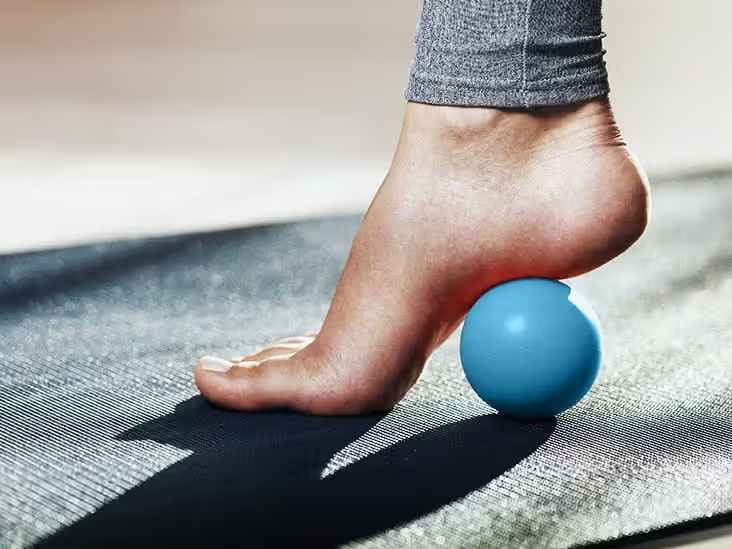
Maybe you could do toe circles, which include carefully pointing your feet’s toes and moving them in a circle. After a workout, this stretch will help the muscles rest, recover, and cool down. Another option is to stretch your hamstrings by placing one leg in front of the other.
What kind of activity serves as a cool-down?
Cool-downs are typically performed at the conclusion of an exercise session or within an hour of it. Walking, jogging at a leisurely pace, or strolling in a swimming pool are examples of active cool-downs. Sitting, lying down, or using a sauna are examples of passive cool-downs.
How should I cool down after working out?
After a workout, cool down by gradually lowering the intensity with gentle exercise, such as walking or slow cycling, for five to ten minutes. Then, stretch statically for five to ten minutes to increase flexibility and ease tense muscles. To help muscles heal, stay hydrated, and think about using alternative techniques like foam rolling, a cold shower, or a sauna.
References:
- Cronkleton, E. (2025, October 30). 15 cooldown exercises you can do after any workout. Healthline. https://www.healthline.com/health/exercise-fitness/cooldown-exercises
- Sybertz, A. (2025, October 31). The best Post-Workout cooldown exercises to leave you recovered and refreshed. https://www.onepeloton.com/blog/cooldown-exercises
- LaMarco, N. M. (2024, August 26). 14 Cool-down stretches to add to your workout routine. Verywell Fit. https://www.verywellfit.com/cool-down-stretches-to-add-to-your-workout-routine-6748990
- CPT, A. M. W., & CPT, C. S. (2023, November 14). 13 Upper-Body stretches to do after your next strength training session. SELF. https://www.self.com/gallery/upper-body-stretches
- Build flexibility and add this stretch routine to your busy schedule. (2025, November 13). [Video]. TODAY.com. https://www.today.com/health/diet-fitness/cool-down-exercises-rcna24609
- Jesner, L. (2023, August 12). 3 stretches to do right now if you’re on your feet all day. EverydayHealth.com. https://www.everydayhealth.com/fitness/stretches-to-do-right-now-if-youre-on-your-feet-all-day/

One Comment