Physiotherapy Exercises for Leg Pain Relief
Introduction:
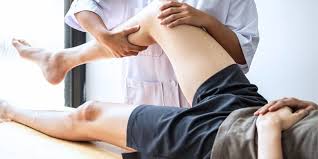
Walking, standing, and climbing stairs can be challenging for those with leg pain, but the correct physical therapy exercises can greatly lessen pain and restore mobility. These exercises help alleviate tension, strengthen weak muscles, increase general joint flexibility, and improve blood circulation.
Physical therapy exercises can help you move more comfortably and confidently by preventing future strain in addition to relieving current leg pain.
Benefits of Exercise for Leg Pain Relief:
Frequent physical therapy exercises for leg pain have several advantages that enhance mobility and comfort. They lessen stiffness and hasten recovery by increasing blood flow to painful muscles. Strengthening exercises reduce the chance of further injury by strengthening the ankles, hips, and knees.
Stretching increases flexibility and reduces stress by releasing tense muscles. Additionally, these exercises improve posture, balance, and joint stability, which facilitates and improves daily tasks. They improve general leg health and offer long-lasting pain relief with regular practice.
Physiotherapy Exercises for Leg Pain Relief Video:
Exercises for Leg Pain Relief:
Seated Hamstring Stretch:
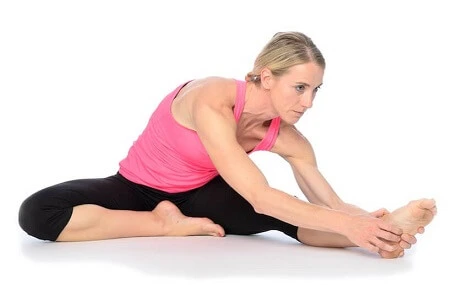
Leg pain and stiffness are frequently caused by tightness in the back of the thighs, which can be relieved with a seated hamstring stretch. One leg should be straight out in front of you, while the other should be bent so that the sole touches your inner thigh as you sit on the floor.
As you slowly lean forward from your hips toward the extended leg, maintain a straight back. When the back of your thigh starts to feel comfortable, stop and hold the posture for 20 to 30 seconds. On the opposite side, repeat. This stretch facilitates smoother leg movement, increases flexibility, and eases tense muscles.
Quadriceps Stretch:
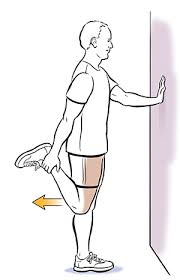
By focusing on the front thigh muscles, the quadriceps stretch helps ease tension that may be causing knee and leg pain. To maintain your balance, stand straight and grasp a chair or wall. Keeping your knees together and your chest raised, gently bring your foot closer.
The front of your thigh should feel stretched. This stretch promotes better knee joint function, increases flexibility, and releases tension.
Calf Stretch:
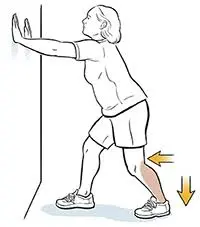
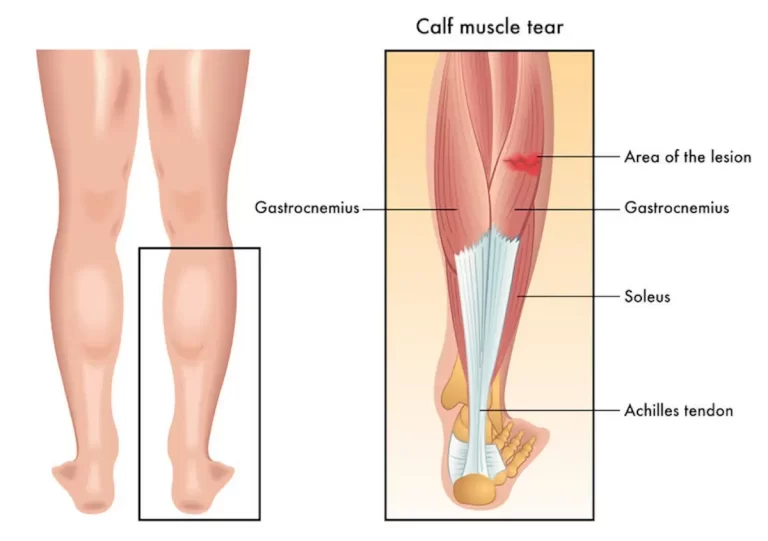
Heel pain, ankle stiffness, and overall leg pain are frequently associated with tightness in the lower leg muscles, which can be relieved with a calf stretch. Put your hands on a wall for support while you stand facing it. With the knee straight and the heel flat on the ground, step one leg back.
Lean forward slightly while bending your front knee until the back of your lower leg begins to stretch. Hold the stretch for 20 to 30 seconds while keeping your posture straight. Repeat after switching legs. This exercise increases ankle mobility, increases flexibility, and lessens strain when standing or walking.
Ankle Pump Exercises:
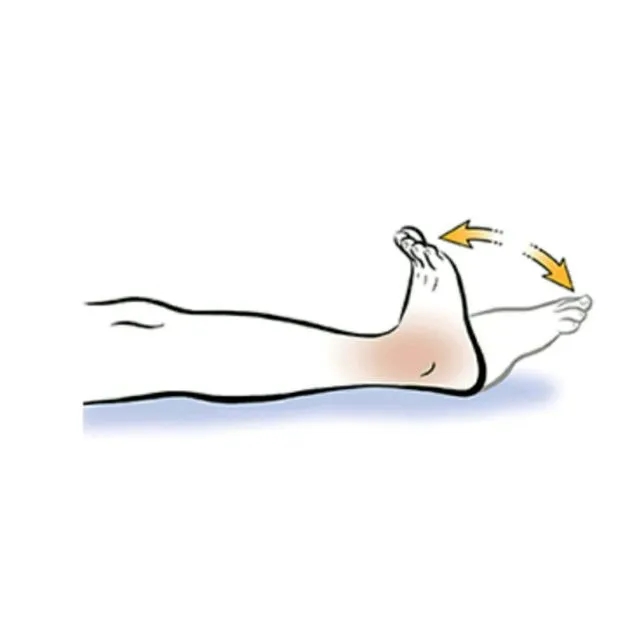
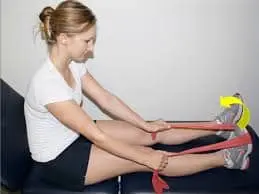
Exercises for the ankle pump are easy but powerful ways to increase blood flow, decrease edema, and ease lower leg stiffness. Lie down or sit with your legs outstretched. To stretch your ankles, gently point your toes out from you (as if you were squeezing a gas pedal), then pull them back toward your body.
Continue to move your feet smoothly and deliberately back and forth. For each leg, do 15–20 repetitions. Particularly after extended periods of sitting or standing, this exercise helps prevent cramps, maintain ankle joint flexibility, and assist in general leg pain relief.
Foam Roller for Leg Muscles:
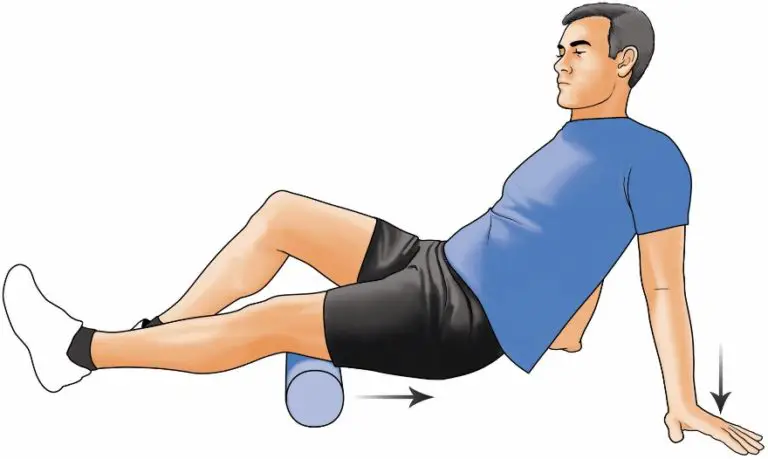
Applying a foam roller to your legs will alleviate tense muscles, increase blood flow, and lessen pain caused by overuse or tense muscles. Place the foam roller beneath the targeted area, such as your outer thighs, quadriceps, hamstrings, or calves, while sitting or lying on the floor.
To move the roller along the length of the muscle, slowly roll your body forward and backward. Pause for a few seconds and apply light pressure to any tight or sore spots you detect. For each muscle group, keep going for 30 to 60 seconds. Foam rolling promotes a quicker recovery from leg pain and stiffness, improves flexibility, and breaks up muscle knots.
Lunges:
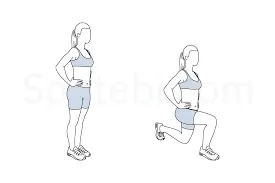
By focusing on the quadriceps, hamstrings, glutes, and calf muscles, lunges are an effective leg-strengthening exercise that helps improve stability and lessen pain. Place your feet hip-width apart and stand straight.
Bend both knees to about 90 degrees as you step one foot forward and lower your torso, being careful to keep your front knee over your ankle and slide your rear knee toward the floor. On the other leg, repeat. Do 8–12 reps on each side. Lunges support improved mobility and long-term relief from leg pain by enhancing muscular balance, joint stability, and general lower-body strength.
Straight Leg Raises:
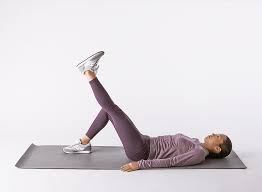
Straight leg raises are perfect for leg pain relief and rehabilitation since they strengthen your quadriceps and hip flexors without straining your knee. With one leg bent and the other straight, lie on your back. Lift your straight leg carefully to the height of the opposing knee while tightening its muscles.
After a little moment of holding, carefully lower it back down. For each leg, do ten to fifteen repetitions. This workout strengthens muscles, increases knee stability, and facilitates better movement during regular tasks and walking.
Side-Lying Hip Abduction:
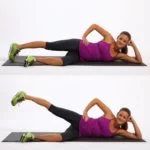
The hip abductors and outer thigh muscles, which are essential for supporting the hips, knees, and lower legs, are strengthened by side-lying hip abduction. With your top leg straight and your bottom leg bent for support, lie on your side.
Without turning your foot or pelvis, slowly raise your upper leg while keeping your hips stacked and your core active. After a brief pause at the top, carefully lower the leg back down.
Do ten to fifteen repetitions on each side. This exercise helps prevent imbalances that impact standing and walking, lessen leg pain, and increase hip stability.
Prone Hip Extension:
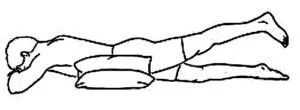
The gluteal and hamstring muscles, which support the hips and lower back and lessen leg pain caused by weakness or bad posture, are strengthened by prone hip extension. With your legs straight, lie on your stomach.
Without bending your knee or arching your lower back, raise one leg toward the ceiling while maintaining an engaged core. Lift the leg a few inches, keep it there for a moment, and then slowly lower it. On each leg, repeat ten to fifteen times. This exercise promotes smoother, more comfortable leg movement, strengthens the hips, and increases stability.
Seated Knee Extension:
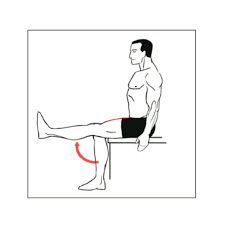
During daily activities, seated knee extensions assist in strengthening the quadriceps, enhancing knee stability, and lessening leg pain. With your feet flat on the ground and your back straight, take a seat in a chair. Keeping your thigh steady and active, slowly extend one leg out in front of you until it is fully stretched. After holding the pose for one to two seconds, slowly bring your leg back down.
On each side, repeat ten to fifteen times. Walking, climbing stairs, and standing are all made easier and more pleasant by this exercise, which also improves knee joint function and increases muscle support.
Supine Cycling:
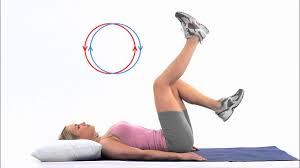
A low-impact, mild activity that helps develop leg muscles, increase blood circulation, and lessen pain or stiffness is supine cycling. Bend your knees and raise your legs off the ground while lying on your back. As if you were riding a bicycle, move your legs in a fluid pedaling motion while maintaining a relaxed lower back against the floor and an active core.
As your strength increases, progressively extend the movement’s length from 20 to 30 seconds. This exercise improves total leg function, increases endurance, and increases mobility, making daily tasks more pleasant and easier.
Calf Raises:
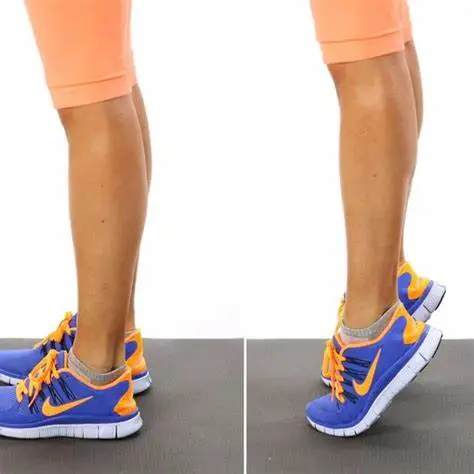
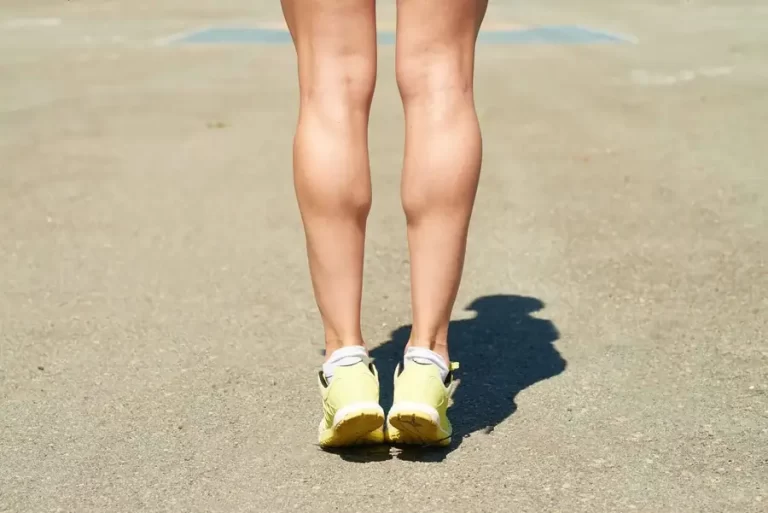
Calf raises are a useful lower leg strengthening exercise that can aid with pain relief, balance enhancement, and improved walking and standing. If necessary, use a chair or wall for balance while standing straight with your feet hip-width apart. Rise onto the balls of your feet by gradually lifting your heels off the ground.
After a few intervals of holding at the top, carefully lower your heels back down. Do this 12–15 times. This exercise reduces strain and pain during daily tasks by strengthening the calf muscles, improving ankle stability, and increasing total lower-leg endurance.
Conclusion:
One of the best strategies to control and alleviate leg pain is to incorporate physical therapy exercises into your routine. These strengthening exercises and stretches increase blood flow, increase flexibility, and strengthen the muscles supporting the ankles, knees, and hips.
They help you move more easily and confidently, lessen stiffness, and avoid further injuries with regular practice. These exercises offer a safe, dependable route toward long-term leg pain treatment and improved mobility, regardless of whether you’re battling with muscular weakness, tightness, or overall pain.
FAQs
What is the most basic method of reducing pain?
Ice packs, whether hot or cold, should be applied right away after an injury to minimize swelling. For long-term muscle or joint ailments, heat packs work better. Walking, stretching, strengthening, and aerobic activities are examples of physical therapy that can help lower pain, maintain mobility, and elevate your mood.
How can pain be reduced without medication?
Alternative therapies like acupuncture, deep breathing, meditation, and yoga, as well as physical measures like heat/cold packs, light exercise, and massage, can all help reduce pain without the need for medication. Additionally beneficial are distraction, cognitive behavioral therapy, and some natural medicines.
When should one be concerned about leg pain?
If leg pain is accompanied by swelling, redness, or a pale, chilly color; if you are unable to bear weight on the leg; if you have a fever; or if a deep cut or visible bone is present, you should be concerned. If you encounter these symptoms, get medical attention right away because they may point to a blood clot, infection, severe nerve compression, or other dangerous problems.
What beverage can relieve leg pain?
Certain beverages can prevent leg cramps before they occur. These beverages include coconut water and electrolyte drinks. Although there isn’t a single electrolyte drink that works best for leg cramps, there is evidence that they can also prevent leg cramps.
What is the primary leg exercise?
Squats, deadlifts, and lunges are a few examples of compound leg workouts that are crucial for developing muscle and strength. For a comprehensive leg workout, it’s crucial to take into account the various movement patterns across several planes of motion in addition to using compound leg exercises.
Which disease first manifests as leg pain?
Many diseases, such as peripheral artery disease (PAD) and deep vein thrombosis (DVT), nerve disorders like sciatica and peripheral neuropathy (which are frequently caused by diabetes), joint and bone disorders like gout or arthritis, and infections like cellulitis or osteomyelitis, can cause leg pain. Muscle strains, injuries, and specific drugs are examples of additional causes.
What is the most effective natural treatment for nerve pain in the legs?
Applying heat or cold, doing light activities like yoga and stretching, and changing one’s lifestyle to maintain a healthy weight are all home cures for leg nerve pain. Additionally, you can try applying essential oils diluted with a carrier oil or bathing your legs in Epsom salt or apple cider vinegar. If your pain continues, gets worse, or interferes with your life, make sure to see a doctor because home remedies might not be able to replace expert medical care.
Which vitamin deficit is responsible for leg pain?
Osteoporosis and muscle weakness, which can cause leg and foot pain, cramping, and even stress fractures, have been connected to low vitamin D levels. Vitamin B12: Vitamin B12 is another essential vitamin for healthy legs and feet.
What is the primary cause of leg pain?
Overuse, injuries, or underlying medical disorders affecting the muscles, joints, nerves, or blood vessels are the primary causes of leg pain. Exercise-related muscle strains or cramps, a torn tendon (tendinitis), or conditions like sciatica—a nerve-related pain that radiates down the leg from the lower back—are common causes. Peripheral artery disease (PAD), which impairs blood flow, and deep vein thrombosis (DVT), a blood clot, are examples of additional variables.
Which vitamin is most effective for alleviating leg pain?
Important vitamins and minerals are necessary for the best possible pain treatment. Magnesium and potassium relieve tense muscles, and vitamin D supports healthy bones. Inflammation is lessened by omega-3 fatty acids, and nerve function is supported by B vitamins like B12. To make sure your regimen fits your unique needs, speak with your healthcare practitioner.
Can leg pain be treated with physical therapy?
In order to help you accomplish your objectives and reach your greatest level of physical functioning, physical therapy will reduce pain and swelling and improve range of motion, strength, stability, and balance. A first evaluation will identify the root cause of your leg and knee issues.
What is the most effective way to manage leg pain?
Try the R.I.C.E. method (Rest, Ice, Compression, Elevation) and over-the-counter medications like ibuprofen or acetaminophen for quick alleviation of mild leg pain. Warm compresses, massage, and mild stretching can all assist with other kinds of pain. It’s critical to see a doctor if your pain is severe or persistent, or if you think you may have a circulation problem.
How can leg pain be eliminated naturally?
Topical treatments include applying turmeric paste with warm sesame oil, and soaks with Epsom salt or apple cider vinegar are examples of natural cures for leg pain. Cherry juice and turmeric milk or tea are examples of internal treatments. Pain can also be effectively reduced by self-care techniques, including stretching, mild massage, and using the RICE method (Rest, Ice, Compression, Elevation).
Which treatment is most effective for leg pain?
Try the R.I.C.E. method (Rest, Ice, Compression, Elevation) and over-the-counter medications like ibuprofen or acetaminophen for quick alleviation of mild leg pain. Warm compresses, massage, and mild stretching can all assist with other kinds of pain. It’s critical to see a doctor if your pain is severe or persistent, or if you think you may have a circulation problem.
Physical therapy for leg pain: what is it?
To make their patients feel better, physical therapists employ a variety of techniques. Among them are: Effective Stretches: Certain stretches target the tense muscles that lead to leg pain. Muscle Strain Recovery: Physical therapy can help you recover from a strained muscle without making the issue worse.
References:
- Rees, C. (2022, May 3). Physio exercises for leg pain coming from your back – myPhysioSA. myPhysioSA. https://myphysiosa.com.au/physio-exercises-for-leg-pain-coming-from-your-back/
- Tegna, W. (2019, February 26). 9 Stretches and Exercises for Leg Pain Relief | Spine Works Institute. Spine Works Institute. https://www.dfwback.com/9-stretches-and-exercises-for-leg-pain-relief/
- Tnn. (2019, August 21). Simple physiotherapy exercises you can do at home to get rid of leg pain. The Times of India. https://timesofindia.indiatimes.com/life-style/health-fitness/home-remedies/simple-physiotherapy-exercises-you-can-do-at-home-to-get-rid-of-leg-pain/articleshow/70771656.cms
- Heitz, D. (2024, February 2). 9 Stretches for Sciatica Pain Relief. Healthline. https://www.healthline.com/health/back-pain/sciatic-stretches
- NHS inform. (2025, February 7). Exercises for thigh muscle and joint problems | NHS inform. NHS Inform. https://www.nhsinform.scot/illnesses-and-conditions/muscle-bone-and-joints/leg-and-foot-problems-and-conditions/exercises-for-thigh-problems
- AQ Health Care. (2024, December 25). Physiotherapy for Leg Pain: Targeted Exercises & Stretches for Relief. AQ Physio Clinic. https://www.aqhealthcare.in/physiotherapy-for-leg-pain/