Skip to content
Physical Therapy us Logo

Physical Therapy Treatment and Exercise

  • Home
  • About Us
  • DiseaseExpand
    • Orthopedic Conditions
    • Autoimmune Diseases
    • Pulmonary Diseases
    • Neurological Diseases
    • Psychological disorders
    • Rheumatic Disease
  • Physical TherapyExpand
    • Electrotherapy
    • Rehabilitation
  • AnatomyExpand
    • Body Joint
    • Muscle
    • Nerve
  • TreatmentExpand
    • Treatment Technique
    • Medicine
    • Surgery
    • Health Tips
  • ExerciseExpand
    • Stretching Exercises
    • Strengthening Exercises
    • Yoga Pose
  • Contact Us
Physical Therapy us Logo
Physical Therapy Treatment and Exercise
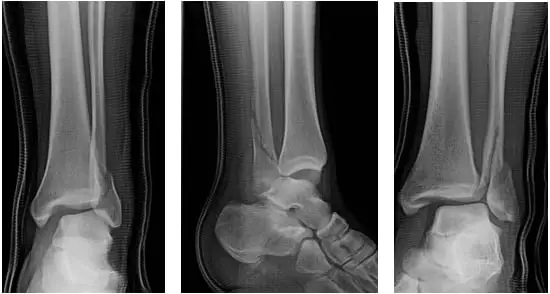
  • Ankle dislocation
    Orthopedic Conditions | Fracture | Injury | Ligament Injury

    Ankle Dislocation

    ByDr.Krupa Goriya September 19, 2024September 19, 2024

    Introduction Ankle dislocation occurs when the bones that form the ankle joint are forced out of their normal alignment, typically due to trauma or injury. It’s a serious condition that is mostly associated with ligament damage, fractures, and edema. Immediate medical attention is crucial to reduce the risk of complications like poor blood circulation, nerve damage,…
    Read More Ankle DislocationContinue

  • Exercise for Knee Varus Deformity
    Exercise | Strengthening Exercises | Stretching Exercises

    11 Best Exercise for Knee Varus Deformity

    ByDr.Bhoomika Bariya September 18, 2024September 18, 2024

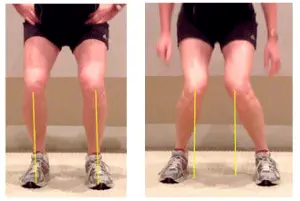
    Introduction: Exercises for knee varus deformity are designed to strengthen the muscles surrounding the knee, improve alignment, and enhance stability. Proper exercise routines can alleviate pain, reduce stress on the joints, and improve overall mobility, preventing further complications. An orthopedic condition known as knee varus deformity is defined by the inward point of the thigh…

    Read More 11 Best Exercise for Knee Varus DeformityContinue

  • Crutch Paralysis
    Disease | Nerve Injury | Neurological Diseases | Pinched Nerve

    Crutch Paralysis

    ByDarshan Ladumor September 18, 2024September 18, 2024

    What is Crutch Paralysis? Crutch paralysis is a condition that arises from the prolonged or improper use of crutches, leading to nerve compression or damage, typically in the underarm area. The condition primarily affects the radial nerve, which runs along the upper arm and controls movement and sensation in the arm and hand. The muscles…

    Read More Crutch ParalysisContinue

  • HIP FLEXOR STRAIN
    Injury | Muscle Pain | Orthopedic Conditions

    Hip Flexor Strain

    ByDr.Avni Patel September 18, 2024September 18, 2024

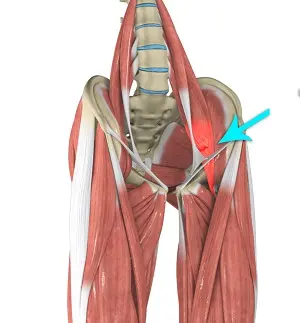
    What is hip flexor strain? A hip flexor strain occurs when one or more of the muscles that allow you to lift your knee and bend at the waist become overstretched or torn. The hip flexor group includes the iliopsoas, rectus femoris, and sartorius muscles, which play a vital role in stabilizing and enabling movement…

    Read More Hip Flexor StrainContinue

  • Dialectical Behavior Therapy (DBT)
    Treatment Technique | Health Tips | Treatment

    Dialectical Behavior Therapy (DBT)

    ByDr.Hiral Parmar September 17, 2024September 17, 2024

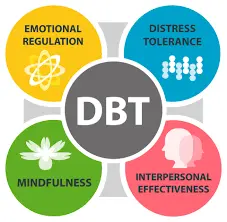
    Introduction Dialectical Behavior Therapy (DBT) is a scientifically proven, evidence-based psychotherapy developed by Dr. Marsha Linehan in the late 1980s. Originally designed to treat individuals with borderline personality disorder (BPD), DBT has since been adapted to address a wide range of mental health conditions, including depression, anxiety, and post-traumatic stress disorder (PTSD). However, patients with…

    Read More Dialectical Behavior Therapy (DBT)Continue

  • shoulder joint
    Anatomy | Bone

    Shoulder Joint

    ByDr.Arati Gameti September 17, 2024September 17, 2024

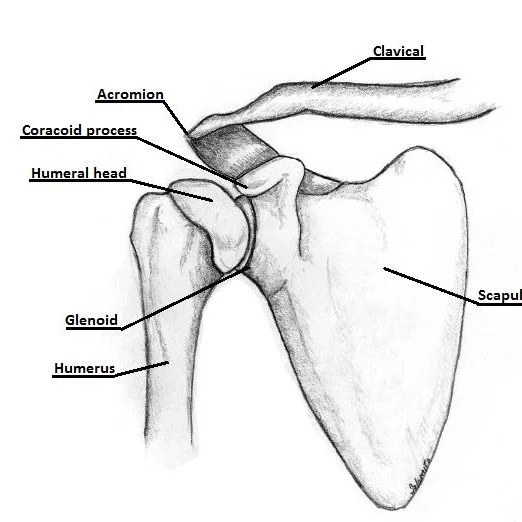
    The shoulder joint, also known as the glenohumeral joint, is a ball-and-socket joint that involves the humerus (upper arm bone) and the scapula (shoulder blade). It is one of the most mobile joints in the human body, allowing for a wide range of movements such as flexion, extension, abduction, adduction, rotation, and circumduction. Introduction The glenohumeral joint, which is situated in the shoulder, can move in a wide variety of ways….

    Read More Shoulder JointContinue

  • Precordial Catch Syndrome
    Disease

    Precordial Catch Syndrome

    ByDarshan Ladumor September 17, 2024September 17, 2024

    What Is Precordial Catch Syndrome? Precordial Catch Syndrome (PCS) is a benign, non-serious condition characterized by sudden, sharp chest pain that is often mistaken for a heart-related issue. It usually affects young people, teenagers, and children, and it usually feels close to the left side of the chest. While the pain can be intense and…

    Read More Precordial Catch SyndromeContinue

  • Muscle weakness
    Muscle Pain | Disease | Neurological Diseases | Orthopedic Conditions

    Muscle Weakness

    ByDr.Neha Kachhadiya September 17, 2024September 17, 2024

    Muscle Weakness: What Is It? Muscle weakness refers to a lack of muscle strength, making it difficult to perform tasks that require physical exertion. This condition can be temporary or chronic, and it often affects a person’s ability to engage in daily activities. There are numerous reasons for it, and they can be categorized as…

    Read More Muscle WeaknessContinue

  • Exercise for Bicipital Tendonitis
    Exercise | Strengthening Exercises | Stretching Exercises

    16 Best Exercise for Bicipital Tendonitis

    ByDr.Bhoomika Bariya September 16, 2024September 16, 2024

    Introduction: Exercise for Bicipital Tendonitis is an essential component of your treatment plan. Bicipital tendonitis can be treated with certain exercises. Exercise can help maintain shoulder strength while the problem heals. Regular exercise helps speed up recovery and promote healing. Your wounded tendon will regain strength with exercise. Programs for exercise help you become more…

    Read More 16 Best Exercise for Bicipital TendonitisContinue

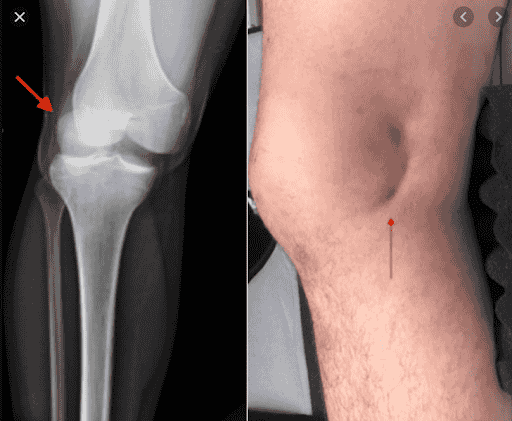
  • Knee-Dislocation
    Orthopedic Conditions | Fracture | Injury | Joint Pain

    Knee Dislocation

    ByDr.Krupa Goriya September 16, 2024September 16, 2024

    Introduction A knee dislocation is a rare but severe injury where the bones that form the knee joint—typically the femur (thighbone), tibia (shinbone), and sometimes the patella (kneecap)—are displaced from their normal alignment. This injury often results from high-impact trauma, such as car accidents or sports injuries, and can damage the surrounding ligaments, blood vessels,…

    Read More Knee DislocationContinue

Page navigation

Previous PagePrevious 1 … 78 79 80 81 82 … 126 Next PageNext
  • Home
  • About Us
  • Disease
  • Orthopedic Conditions
  • Treatment Technique
  • Health Tips
  • Exercise
  • Anatomy
  • Contact Us
  • Privacy Policy
  • DISCLAIMER

Medical Disclaimer: The information provided on this website is for educational and informational purposes only and is not intended as medical advice. Always consult with a qualified healthcare professional or licensed physical therapist before beginning any new exercise or rehabilitation program.

  • Work-from-Home Ergonomic Exercises
  • Core Stabilization Exercises For Lumbar Pain
  • Tidal Volume
  • Slim Face Exercises
  • Thumb Arthritis Exercises

© 2026 Physical Therapy Treatment and Exercise - WordPress Theme by Kadence WP

Scroll to top
  • Home
  • About Us
  • Disease
    • Orthopedic Conditions
    • Autoimmune Diseases
    • Pulmonary Diseases
    • Neurological Diseases
    • Psychological disorders
    • Rheumatic Disease
  • Physical Therapy
    • Electrotherapy
    • Rehabilitation
  • Anatomy
    • Body Joint
    • Muscle
    • Nerve
  • Treatment
    • Treatment Technique
    • Medicine
    • Surgery
    • Health Tips
  • Exercise
    • Stretching Exercises
    • Strengthening Exercises
    • Yoga Pose
  • Contact Us
Search