
Skip to content
Physical Therapy us Logo

Physical Therapy Treatment and Exercise

  • Home
  • About Us
  • DiseaseExpand
    • Orthopedic Conditions
    • Autoimmune Diseases
    • Pulmonary Diseases
    • Neurological Diseases
    • Psychological disorders
    • Rheumatic Disease
  • Physical TherapyExpand
    • Electrotherapy
    • Rehabilitation
  • AnatomyExpand
    • Body Joint
    • Muscle
    • Nerve
  • TreatmentExpand
    • Treatment Technique
    • Medicine
    • Surgery
    • Health Tips
  • ExerciseExpand
    • Stretching Exercises
    • Strengthening Exercises
    • Yoga Pose
  • Contact Us
Physical Therapy us Logo
Physical Therapy Treatment and Exercise
  • Sciatica Nerve Stretches
    Exercise | Stretching Exercises | Yoga Pose

    12 Best Sciatica Nerve Stretches

    ByDr.Bhoomika Bariya April 3, 2025April 3, 2025

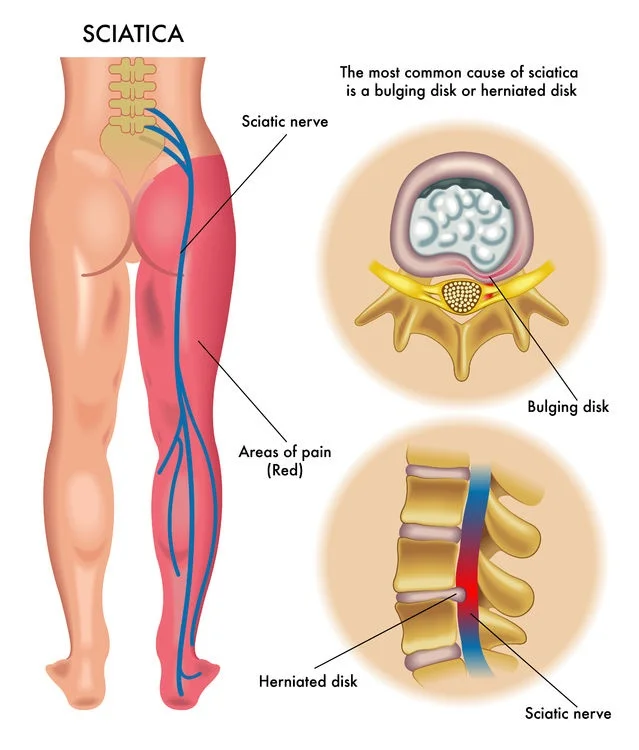
    Sciatica nerve stretches help relieve pain by reducing tension in the lower back, glutes, and hamstrings. Key stretches include the Piriformis Stretch, Hamstring Stretch with Theraband in Supine, Seated Spinal Twist, Child’s Pose, and Knee-to-Chest Stretch. These stretches promote flexibility, ease nerve compression, and improve mobility. Introduction: Sciatica, a disorder marked by pain that travels…
    Read More 12 Best Sciatica Nerve StretchesContinue

  • Paraneoplastic Syndromes
    Disease | Neurological Diseases

    Paraneoplastic Syndromes

    ByDr.Neha Kachhadiya April 3, 2025April 3, 2025

    A Paraneoplastic Syndrome: What is it? Paraneoplastic syndromes are rare disorders triggered by an abnormal immune response to cancer. They occur when tumors produce hormones, cytokines, or antibodies that affect distant organs, leading to neurological, endocrine, dermatologic, or rheumatologic symptoms. These syndromes can precede cancer diagnosis and often require treating both the underlying malignancy and…

    Read More Paraneoplastic SyndromesContinue

  • Café-Au-Lait-Spots
    Disease

    Café-Au-Lait Spots

    ByDr.Trusha Vaghela April 3, 2025April 3, 2025

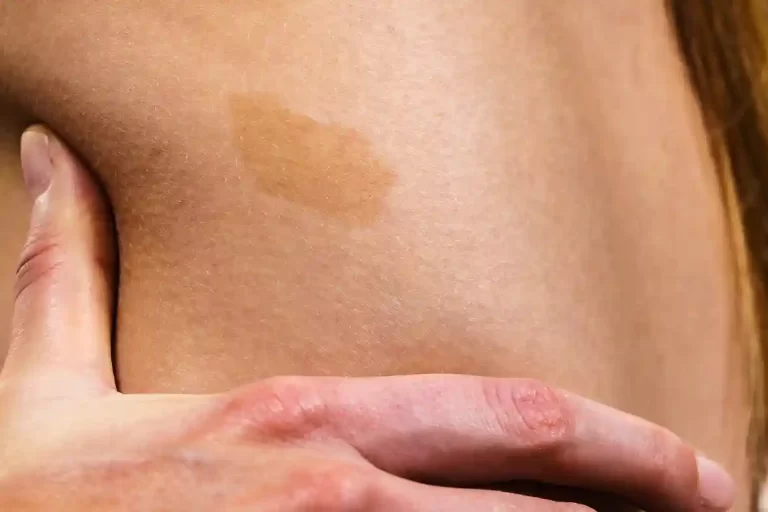
    Introduction Light to dark brown pigmented birthmarks known as café-au-lait spots are frequently seen on a newborn’s skin. Over time, the number and size of spots may vary. Over six café-au-lait spots may indicate neurofibromatosis type 1 (NF1) or another underlying genetic disorder. Flat, hyperpigmented birthmarks are known as café au lait spots or café…

    Read More Café-Au-Lait SpotsContinue

  • Effort-thrombosis-_Paget-Schroetter-syndrome
    Disease | Treatment

    Effort Thrombosis (Paget-Schroetter Syndrome)

    ByDr.Trusha Vaghela April 2, 2025April 2, 2025

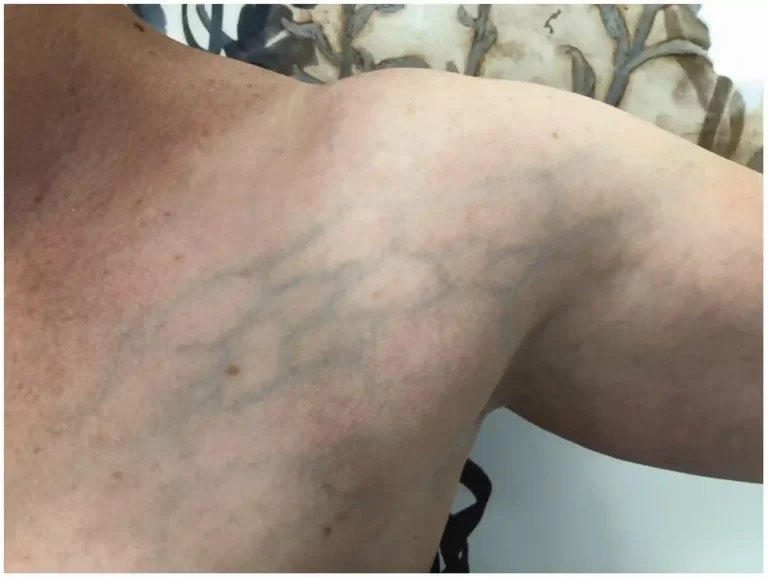
    Introduction Effort thrombosis, also known as Paget-Schroetter Syndrome, is a form of deep vein thrombosis (DVT) that affects the upper extremity, typically occurring in athletes or individuals engaged in repetitive overhead activities. It results from compression and injury to the subclavian vein, leading to clot formation. Symptoms include swelling, pain, discoloration, and a feeling of…

    Read More Effort Thrombosis (Paget-Schroetter Syndrome)Continue

  • Sciatic Nerve
    Anatomy | Lower Limb Nerve | Nerve

    Sciatic Nerve

    ByDr.Srushti Rajpurohit April 2, 2025April 2, 2025

    Introduction The sciatic nerve is the largest and longest nerve in the human body, originating from the lumbar and sacral spine (L4-S3). It runs through the buttocks and down the back of the leg, supplying motor and sensory function to the lower limbs. Compression or irritation of the sciatic nerve can lead to sciatica, causing…

    Read More Sciatic NerveContinue

  • Snapping Elbow Syndrome
    Orthopedic Conditions | Disease

    Snapping Elbow Syndrome

    ByDr.Neha Kachhadiya April 2, 2025April 2, 2025

    What is a Snapping Elbow Syndrome? Snapping elbow syndrome, also known as snapping tricep syndrome, is an uncommon disorder marked by a snapping sensation and symptoms associated with ulnar nerve irritation or subluxation at the cubital tunnel, as well as pain and inflammation caused by a dislocating tricep segment. It is a dynamic phenomenon during…

    Read More Snapping Elbow SyndromeContinue

  • Posterior Talofibular Ligament
    Anatomy | Ligament | Ligament Injury

    Posterior Talofibular Ligament

    ByDr.Arati Gameti April 2, 2025April 2, 2025

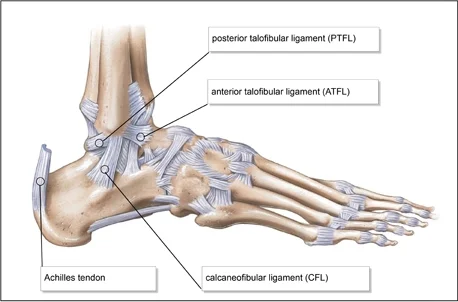
    Introduction The Posterior Talofibular Ligament (PTFL) is a strong ligament in the ankle that connects the talus to the fibula. It is the strongest of the lateral ankle ligaments and plays a crucial role in stabilizing the ankle, especially in preventing excessive posterior movement of the talus. Injuries to the PTFL are rare and usually…

    Read More Posterior Talofibular LigamentContinue

  • Triangular Fibrocartilage Complex (TFCC) Injury
    Ligament | Disease | Injury | Orthopedic Conditions

    Triangular Fibrocartilage Complex (TFCC) Injury

    ByDarshan Ladumor April 1, 2025April 1, 2025

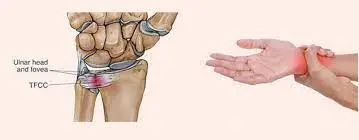
    What is Triangular Fibrocartilage Complex Injury? The Triangular Fibrocartilage Complex (TFCC) injury involves damage to the cartilage and ligaments on the ulnar side of the wrist, which provide stability and cushioning. It commonly occurs due to falls on an outstretched hand, repetitive wrist motions, or degenerative wear. Symptoms include wrist pain, weakness, and clicking sensations,…

    Read More Triangular Fibrocartilage Complex (TFCC) InjuryContinue

  • Exercises for Total Hip Replacement
    Exercise | Strengthening Exercises | Stretching Exercises

    20 Best Exercises for Total Hip Replacement

    ByDr.Bhoomika Bariya April 1, 2025April 1, 2025

    Total hip replacement requires a structured exercise routine to regain strength, mobility, and stability. Key exercises focus on a gentle range of motion, muscle strengthening, and balance to support recovery. Always follow medical advice and progress gradually to ensure safe rehabilitation. Introduction: The pelvis, which is composed of the ischium, pubis, and ilium, and the…

    Read More 20 Best Exercises for Total Hip ReplacementContinue

  • Multiple System Atrophy
    Disease | Neurological Diseases

    Multiple System Atrophy

    ByDr.Neha Kachhadiya April 1, 2025April 1, 2025

    Multiple System Atrophy: What is it? Multiple system atrophy (MSA) is a rare neurological illness that causes some brain regions to degenerate. Over time, this impairs the capacities and functioning of specific brain regions. This sickness is eventually dangerous. MSA is a unique word that combines the characteristics of three previous disorder designations. The conditions…

    Read More Multiple System AtrophyContinue

Page navigation

Previous PagePrevious 1 … 32 33 34 35 36 … 126 Next PageNext
  • Home
  • About Us
  • Disease
  • Orthopedic Conditions
  • Treatment Technique
  • Health Tips
  • Exercise
  • Anatomy
  • Contact Us
  • Privacy Policy
  • DISCLAIMER

Medical Disclaimer: The information provided on this website is for educational and informational purposes only and is not intended as medical advice. Always consult with a qualified healthcare professional or licensed physical therapist before beginning any new exercise or rehabilitation program.

  • Tidal Volume
  • Slim Face Exercises
  • Thumb Arthritis Exercises
  • Osteoporosis Exercises Home Program: Safe Exercises for Stronger Bones
  • 10 Best Exercises for Shoulder Bursitis

© 2026 Physical Therapy Treatment and Exercise - WordPress Theme by Kadence WP

Scroll to top
  • Home
  • About Us
  • Disease
    • Orthopedic Conditions
    • Autoimmune Diseases
    • Pulmonary Diseases
    • Neurological Diseases
    • Psychological disorders
    • Rheumatic Disease
  • Physical Therapy
    • Electrotherapy
    • Rehabilitation
  • Anatomy
    • Body Joint
    • Muscle
    • Nerve
  • Treatment
    • Treatment Technique
    • Medicine
    • Surgery
    • Health Tips
  • Exercise
    • Stretching Exercises
    • Strengthening Exercises
    • Yoga Pose
  • Contact Us
Search