
How to Loosen Tight Hip Flexors?
Introduction:
Long periods of sitting can shorten and tighten the hip flexor muscles in today’s sedentary lifestyle, resulting in bad posture, lower back pain, and restricted mobility. Improving flexibility, boosting athletic performance, and easing lower back and hip pain all depend on loosening tense hip flexors.
You may improve movement, maintain total body alignment, and restore hip balance by combining certain stretches and strengthening activities.
Benefits of Loosening Tight Hip Flexors:
- Improves Posture: Releasing tense hip flexors encourages appropriate spinal alignment and helps correct pelvic tilt.
- Reduces Lower Back Pain: Tension that frequently causes lower back pain can be released by strengthening and stretching the hip region.
- Improves Mobility and Flexibility: A greater range of motion in daily activities and exercise is made possible by looser hip flexors.
- Improves Athletic Performance: When sprinting, jumping, and squatting, flexible hips enhance power, balance, and stability.
- Improves Circulation: Lower body blood flow is improved by relaxed hip muscles, which promotes muscle health and recovery.
- Promotes Core Stability and Strength: To enhance general strength and coordination, balanced hip flexors collaborate with core muscles.
- Prevents Injuries: When engaging in physical activity, maintaining hip flexibility lowers the chance of strains, pulls, and overuse injuries.
Exercises to Loosen Tight Hip Flexors:
Pigeon Pose:
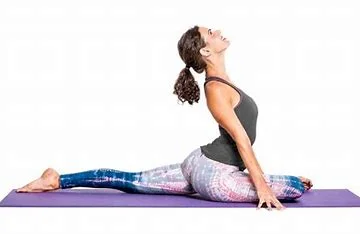
One of the best yoga poses for releasing deep tension in the lower back and glutes, as well as tight hip flexors, is the pigeon pose. By extending the psoas, piriformis, and surrounding muscles, this pose helps to enhance flexibility and balance while gently opening the hips.
By extending the spine and reducing pressure from extended sitting, it also helps to improve posture. Regularly performing the Pigeon Pose can improve hip circulation, lessen stiffness, and promote ease and relaxation throughout the lower body.
Standing Quadriceps Stretch:
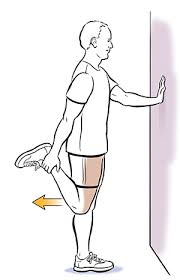
A straightforward yet effective exercise that works the front thigh muscles and eases hip flexor tightness is the standing quadriceps stretch. This stretch lengthens the quadriceps and opens up the front of the hips by dragging one foot toward the glutes while keeping an upright stance.
It lessens the pain caused by extended sitting or strenuous lower-body exercises while enhancing flexibility, balance, and posture. Frequent use of this stretch helps improve alignment during exercise and movement and increase lower-body mobility.
Low Lunge Stretch:
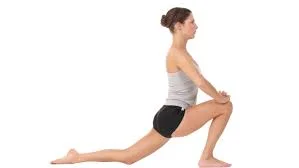
A beneficial exercise for relieving stress in the quadriceps, groin, and hip flexors is the low lunge stretch. This stretch lengthens the front of the body and softly expands the hips by moving one leg forward and lowering the opposing knee to the floor.
It relieves tension caused by prolonged sitting or intense exertion and enhances flexibility, balance, and posture. Regularly performing the Low Lunge Stretch helps spinal alignment, increases hip and thigh range of motion, and improves lower-body mobility.
Butterfly Stretch:
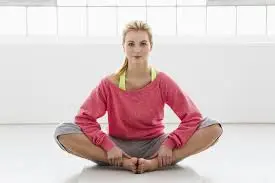
A mild yet efficient exercise for increasing hip, inner thigh, and groin flexibility is the butterfly stretch. This stretch helps relieve tension in the lower body and opens the hip joints by sitting with the soles of the feet together and the knees dropped outward.
It improves posture, increases blood flow to the pelvic region, and lessens stiffness caused by extended sitting. Frequent Butterfly Stretch exercise helps enhance range of motion, increase hip mobility, and foster lower body balance and relaxation.
Lunge with Spinal Twist:
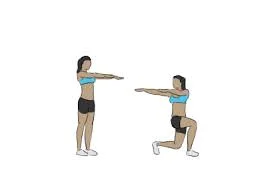
A dynamic stretch that strengthens the hip flexors, quadriceps, and spine while enhancing mobility and balance is the Lunge with Spinal Twist. Rotating the torso toward the front leg while in a lunge position adds a deep spine twist that improves flexibility in the shoulders, hips, and chest.
This exercise improves posture, releases tense hip flexors, and engages the core muscles for stability. Regularly performing the Lunge with Spinal Twist can enhance rotational strength and flexibility, lessen lower back stress, and improve overall body alignment.
Conclusion:
Maintaining flexibility, balance, and general body alignment requires loosening stiff hip flexors. Stretches like the Pigeon Pose, Low Lunge, Butterfly Stretch, and Lunge with Spinal Twist can help ease lower back pain, improve posture, and relieve stiffness.
These exercises improve everyday comfort and athletic performance in addition to increasing mobility. You can regain strength, range of motion, and long-term joint health by setting aside a short period of time each day for hip-opening exercises.
FAQs:
Which muscles store emotional trauma?
Your psoas muscle contracts and “locks in” the tension in your body whenever you encounter something startling, upsetting, or that you (consciously or unconsciously) believe to be a threat. Tension energy remains in the body once it has been contracted.
What feeling makes your hips tight?
Physical symptoms are common in those who have experienced trauma, stress, or mental health conditions, including despair and anxiety. There might be a single connection between all of this: the hips.
What could be misinterpreted as hip flexor tension?
It’s crucial to understand that hip arthritis, avascular necrosis, femoroacetabular impingement, hip dysplasia, and stress fractures can all be misinterpreted for hip flexor pain.
Does a lack of vitamin D lead to hip pain?
Although many people are unaware of their low vitamin D levels, a vitamin D deficiency can have an impact on both physical and mental health. Muscle pain in the joints, particularly rheumatoid arthritis (RA) pain, which frequently affects the knees, legs, and hips, is one of the outward signs of a deficit.
How come my hip flexors won’t relax?
Instead of needing to be stretched, your hip flexors may feel tense because they are putting in extra effort to help with stability. This also applies to your quadriceps and hamstrings. Overuse of these big muscle groups might cause strain at the muscles’ attachments to the bone or in the muscles themselves.
Why do my hips feel so tight?
Sitting for extended periods of time is often the cause of hip pain. When you work at a desk, your knees are closer to your chest and your hips are more flexed. Over time, problems arise because your hip flexor muscles have to work harder to keep you in this position.
Does having flexible hips aid in childbirth?
The location, motion, and rotation of your hips also influence the breadth of your pelvic apertures. The ease and speed of your labor can therefore be affected by your hip mobility, or your capacity to rotate your hips both inside and externally.
How can your tense hips be relaxed?
Stretches like the butterfly, figure-four, and low lunge can help relax tense hips. Additionally, you can perform dynamic workouts like the hip shift while kneeling or mobility exercises like using windshield wipers. Maintaining consistency is essential; try to hold static stretches for 20 to 30 seconds and execute dynamic movements in a steady, fluid fashion.
What kind of trauma is stored in your hips?
Tightness or resistance in this area is a common manifestation of emotional feelings such as sadness or shame. The hips are seen by ancient healing traditions as a physical storehouse of intense emotional energy.
Which chakra is linked to hip tightness?
The Sacral Chakra
Because the sacral chakra is situated between the hips and reproductive organs, a blockage may manifest as tightness and stress in the muscles. Therefore, releasing any trapped emotions in your yoga practice can be facilitated by working with the sacral chakra.
In bed, how can tight hips be released?
Stretches like the single knee-to-chest, pelvic tilts, and a mild variation of the 90/90 hip stretch will help alleviate tense hips while you’re in bed. Maintaining spinal alignment and preventing additional tension can also be achieved by sleeping with a pillow beneath your knees while on your back or between your knees when on your side.
How can stiff hips during pregnancy be loosened?
To begin, place yourself on all fours with your hands and knees slightly wider than your hips. Return to a position over your feet and extend your hands forward until you are in a crouch. Check for a stretch in your upper back, hips, and lower back. Hold this posture for three to five breaths.
What feeling does the hip flexor contain?
Emotional strain, stress, and trauma are stored in the hips. Many people develop hip strain as a result of their sedentary lives, bad posture, and emotional repression. Emotional tension is known to be stored in the hip muscles, especially the psoas muscle.
What signs of tight hip flexors are present?
Lower back pain, stiffness after sitting, and pain in the front of the hip or groin are all signs of tight hip flexors. Additional symptoms may include muscular spasms, diminished hip strength, and trouble performing tasks like lifting your leg or climbing stairs.
References;
- Gillespie, C. (2025, May 15). 7 Stretches to relieve tight hips. Healthline. https://www.healthline.com/health/tight-hips
- Sfma, K. B. P. D. O. (2022, February 22). Four Hip Flexor Stretches to Relieve Tightness, from a PT. Hospital for Special Surgery. https://www.hss.edu/health-library/move-better/hip-flexor-stretch
- Helmer, J. (2024, May 11). The best stretches for tight hip flexors. WebMD. https://www.webmd.com/fitness-exercise/fitness-hip-flexor-stretches
- Arnold, E., & Peloton, T. (2025, March 7). Release Tight Hip Flexors with These 10 Must-Have Mobility Moves. https://www.onepeloton.com/blog/hip-mobility-exercises
- How to stretch to loosen up your hips | Altenburg Joint Replacement Surgery. (2024, January 26). Altenburg Joint Replacement Surgery. https://aaronaltenburgmd.com/blog/posts/how-to-stretch-to-loosen-up-your-hips/