
7 Best Exercises for Anterior Pelvic Tilt
Introduction:
Anterior pelvic tilt is a common postural imbalance where the pelvis tilts forward, often leading to lower back pain, hip tightness, and weak core or glute muscles. The best exercises for anterior pelvic tilt focus on stretching tight hip flexors and lower back muscles while strengthening the core, glutes, and hamstrings to restore proper pelvic alignment and improve overall posture.
A postural imbalance known as anterior pelvic tilt (APT) happens when the back of the pelvis elevates, and the front of the pelvis rotates downward. This can result in several problems, including weakened glutes and abdominals, tight hip flexors, and lower back pain. It takes a mix of strengthening weak muscles and extending tight muscles to correct APT.
Why does anterior pelvic tilt happen?
Muscle imbalances, bad posture, and structural problems are some of the causes of anterior pelvic tilt (APT). The following are some typical causes of APT:
- Weak Abdominal Muscles: APT may be worsened by weak abdominal muscles, especially the deep core muscles. Weak abdominal muscles can cause the pelvis to tilt forward, which exaggerates the lower back’s curve.
- Tight Hip Flexors: When the hip flexor muscles, such as the rectus femoris and psoas, tighten and shorten, the pelvis is pulled downward at the front. Prolonged sitting, such as in desk jobs or sedentary lifestyles, is frequently the source of this stiffness.
- Weak Gluteal Muscles: Hip extension and stabilization are performed by the gluteal muscles, which include the gluteus maximus and gluteus medius. Because the pelvis may tilt forward to make up for the lack of gluteal power, weakness in these muscles can lead to APT.
- Poor balance Postural habits: Over time, some postural behaviors, such as tilting the pelvis forward or standing with excessive lower back arching, can lead to APT. Muscle imbalances and alignment problems can result from poor posture when sitting or standing.
- Structural factors: APT may occasionally be caused by structural reasons. These could include skeletal anomalies, including leg length disparities or an inherently large lumbar curve. These structural elements can affect pelvic alignment; however, they are less frequent.
It’s crucial to remember that a variety of factors might interact and cause APT, and that every person’s circumstances may be different. Stretches to release tense muscles, exercises to strengthen weak muscles, and developing good posture and movement habits throughout the day are usually used to treat APT. Seeking advice from a medical expert or a certified fitness instructor can help you better understand your particular circumstances and create a suitable remedial strategy.
7 Best Exercises for Anterior Pelvic Tilt Video:
Best Exercises for Anterior Pelvic Tilt:
Hip Flexor Stretch:
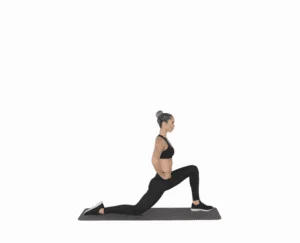
You must first stand upright to stretch your flexors. Next, extend your right leg forward and bend it at a 90-degree angle. Keep in mind that your back will be straight and your left leg will go backward. This might assist you in stretching the muscles in your front thigh. You must perform this exercise three to five times a day with a 30-second hold.
Glute Bridge:
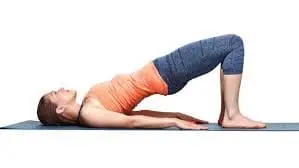
This exercise requires you to lie flat and bend your knees 90 degrees. You should have both hands relaxed. Next, raise your hips upside down, hold them there for five to ten seconds, and repeat this ten times.
Bicycle Crunches:
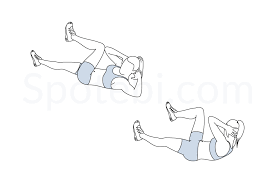
This exercise will help you engage your muscles in the right posture. To begin, lie with your back to the floor, bend your knees, place your feet on the floor, and create space between your knees. Now place both hands behind your head, keeping your elbows wide.
Your abdominal muscles will be squeezed if you move your head toward your knees and then return to the floor. You can perform this exercise three to five times a day by repeating it ten to fifteen times.
Plank:
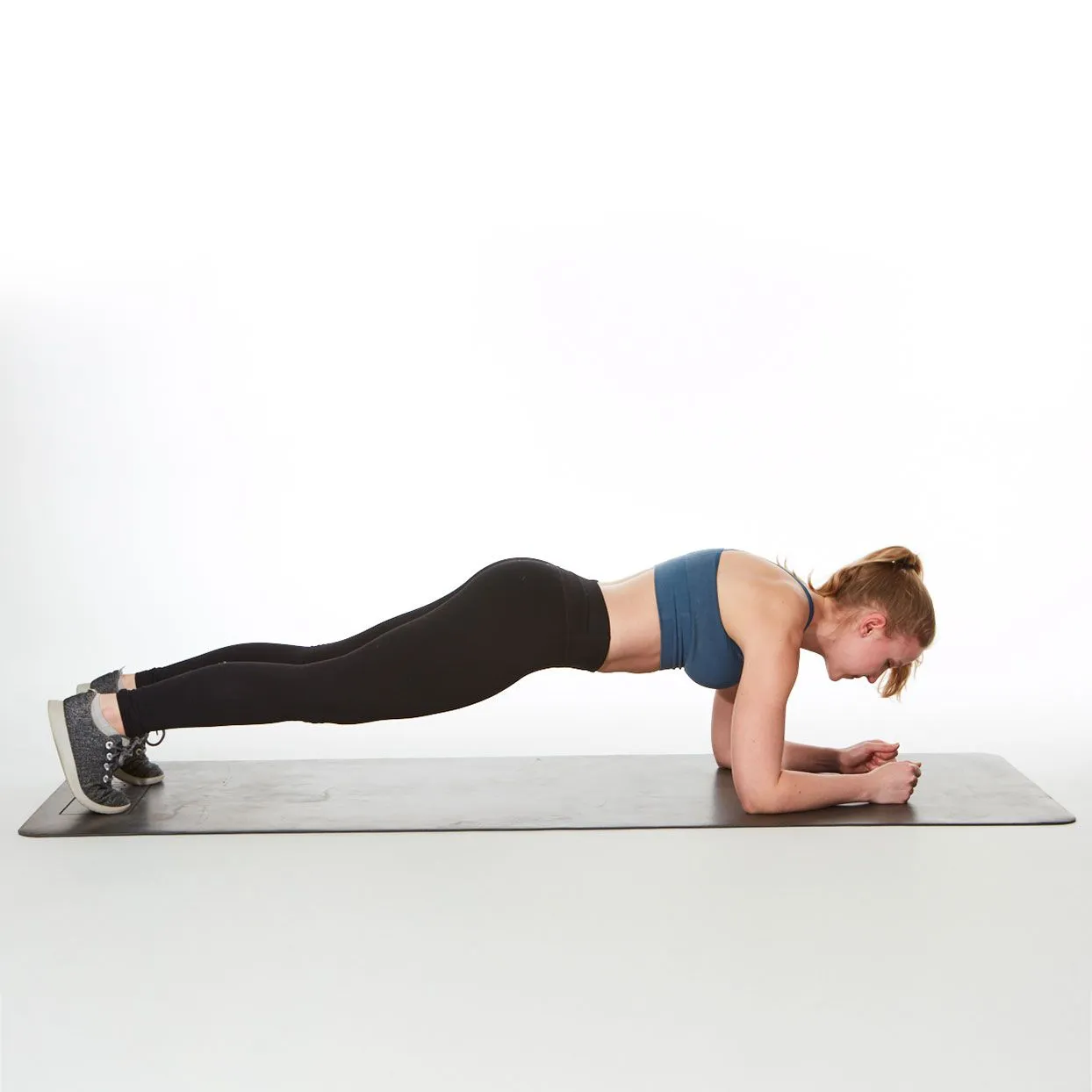
You must sleep in a prone position and use your elbow for support for ten to thirty seconds. Depending on your muscular ability, you can perform this exercise three to five times. You can perform this exercise two or three times in a single day to strengthen your core muscles and move your pelvis in a natural position.
Cat-Cow Pose:
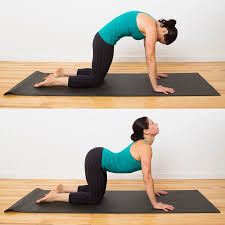
This pose is great for increasing spinal flexibility and stretching out your back. Starting on all fours with your spine in a neutral position will help you achieve this pose. Inhaling will require you to arch your back and look up at the ceiling. Ten times over, repeat this.
Child’s Pose:

The child’s pose for anterior pelvic tilt is a healing pose that can ease hip and lower back pain. Additionally, it helps to extend the shoulders and lengthen the spine. To perform this pose, begin on all fours and then sit back on your heels.
Keeping your back straight, slowly move your hands forward until your forehead touches the floor. Another option for support is to put a block beneath your head. For one to two minutes, maintain this stance.
Hamstring Stretch:
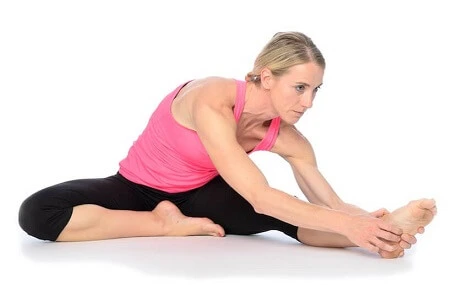
The hamstring stretch is a straightforward yet incredibly powerful exercise that helps reduce muscle stiffness and tightness while increasing flexibility in the rear of the thighs. Hamstring stretches can improve general mobility, promote improved posture, and reduce the chance of strains or injuries, particularly during regular activities or exercise.
By enabling the pelvis to move more easily, this stretch also relieves lower back stress, which is especially helpful for those who spend a lot of time sitting down. Frequent hamstring stretching exercises can enhance sports performance, reduce pain in the muscles, and encourage painless, fluid movement.
Conclusion:
It’s crucial to remember that a variety of factors might interact and cause APT, and that every person’s circumstances may be different. Stretches to release tense muscles, exercises to strengthen weak muscles, and developing good posture and movement habits throughout the day are usually used to treat APT.
Speaking with a medical expert or a licensed physical therapist can help you gain more understanding of your particular circumstances and create a suitable remediation strategy.
FAQs:
Does every girl have an anterior pelvic tilt?
Many of my patients suffer from anterior pelvic tilt, also known as lower crossed syndrome. Even in the absence of symptoms, up to 85% of men and up to 75% of women have an anterior pelvic tilt, according to research published in Manual Therapy.
When there is an anterior pelvic tilt, which muscles are weak?
Anterior pelvic tilt (APT) results in an excessive forward tilt, an elevated lower back arch (hyperlordosis), and a projecting belly. It is caused by weak glutes, weak abdominal muscles (transverse abdominals, obliques), and frequently tight hip flexors. Poor posture and possible pain result from the inability of the glutes and core to resist the pull of the tight hip flexors and lower back extensors.
How quickly can an anterior pelvic tilt be corrected?
To quickly correct anterior pelvic tilt (APT), concentrate on strengthening weak glutes, hamstrings, and abs, and stretching tight hip flexors and quadriceps using exercises like glute bridges, planks, hip flexor stretches, and donkey kicks. You should also improve posture awareness and take regular breaks from sitting. Since APT is a postural problem that requires corrective movement, you should anticipate a gradual improvement in 4–8 weeks.
For anterior pelvic tilt, which mattress is ideal?
Hybrid mattresses combine the robust support of coils with the pressure-relieving properties of foam. This combination produces the perfect balance for successfully controlling anterior pelvic tilt. Excellent stability for correct spinal alignment is provided by the coil support core.
What causes anterior pelvic tilt?
Muscle imbalances are the main cause of anterior pelvic tilt (APT), which is frequently caused by extended sitting, sedentary lifestyles, and bad posture. Tight hip flexors and lower back muscles, such as erector spinae, pull the pelvis forward, and weak glutes and abdominal muscles are unable to counteract this pull. Obesity, pregnancy, and wearing high heels are examples of factors that might affect body mechanics and cause an enlarged lower back curve and an accentuated forward tilt of the pelvis.
Does sleeping posture have an impact on APT?
An anterior tilt is encouraged, for instance, if you sleep on your stomach and your stomach sinks into the bed, tilting your low back into lordosis. Establish neutral pelvic positions and train your body to remain in them. In summary, resting on your stomach will worsen your anterior tilt, especially if you’re on a soft bed.
Does anterior pelvic tilt result from weak glutes?
Anterior pelvic tilt may also be caused by weak gluteus muscles. This is because a tight hip flexor is too much for weak glutes to handle. The internal tug-of-war in this conflict is frequently won by the hip flexor. Additionally, the pelvis suffers.
What makes anterior pelvic tilt worse?
Prolonged sitting is one of the main causes of anterior pelvic tilt, and it is particularly common in those who work at desks. Sitting for extended periods of time puts undue strain on the hip flexors while keeping the gluteal muscles dormant.
What is the duration required to rectify an anterior pelvic tilt?
Anterior pelvic tilt (APT) can be corrected in a variety of ways, but many people report improvements in 4 to 8 weeks with regular stretching (hip flexors/quads) and strengthening (glutes/core/hamstrings). Severe cases or prolonged APT may require 8 to 12 weeks or longer, but significant improvement is frequently seen in the first few months with regular targeted exercises and habit changes.
Which exercise is most effective for anterior pelvic tilt?
In order to bring the pelvis back to neutral, the best exercises for anterior pelvic tilt concentrate on stretching tight hip flexors and strengthening the glutes, hamstrings, and core (abs/back extensors). Crucial exercises for regaining balance and posture include Hip Flexor Stretches, Glute Bridges, Planks, Bird-Dog, and Cat-Cow Stretches.
How can anterior pelvic tilt be corrected in physical therapy?
Hip Flexor Stretch
Bend your knee to a 90-degree angle while kneeling on one knee and placing the other leg in front of you. Feel the stretch in your other hip as you bring your bent knee forward until it is just above your toe. Make sure your torso is always perpendicular to the floor. Hold for ten to twenty seconds.
References:
- Patel, D. (2023, May 16). 9 Best Exercises for Anterior Pelvic Tilt – Samarpan Physio. https://www.masterclass.com/articles/dumbbell-bench-presses. https://samarpanphysioclinic.com/9-best-exercise-for-anterior-pelvic-tilt/
- Ginta, D. (2024, December 20). 5 exercises for anterior pelvic tilt. Healthline. https://www.healthline.com/health/fitness-exercise/anterior-pelvic-tilt-exercises
- Crichton-Stuart, C. (2023, July 24). Exercises to fix anterior pelvic tilt. https://www.medicalnewstoday.com/articles/322684
- Kassandra, Y. W. (2025, September 22). 22 Ways to help correct your anterior pelvic tilt. Yoga Journal. https://www.yogajournal.com/practice/anterior-pelvic-tilt-exercises/
- McQuilkie, S., DC. (2023b, July 3). How to fix anterior pelvic tilt posture – 10 exercises | Back Intelligence. PostureFlow (Formerly Back Intelligence). https://backintelligence.com/anterior-pelvic-tilt-fix/