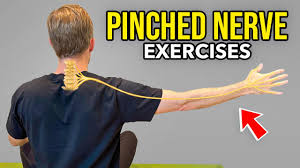
How to Fix a Pinched Nerve in Your Neck Fast!
Introduction:
Sharp pain, stiffness, tingling, or numbness that difficult with normal activities might be caused by a pinched nerve in the neck. The good news is that you may quickly release pressure on the nerve and regain mobility with the optimal combination of mild stretches, posture correction, and easy at-home methods.
The secret to quick and efficient treatment is knowing what causes the pain and how to relieve tension around the cervical spine.
Benefits of a Pinched Nerve in Your Neck Fast:
You can move your head more comfortably if a pinched nerve in your neck is promptly fixed, which helps lessen stiffness and acute pain. Additionally, it increases blood flow surrounding the inflamed nerve, accelerating healing and lowering inflammation.
Early alleviation stops radiating pain, tingling, and numbness from spreading to the arms and shoulders. You may improve neck mobility throughout the day, ease tense muscles, and restore good posture by taking immediate action.
How to Fix a Pinched Nerve in Your Neck Fast Video:
Exercises for a Pinched Nerve in Your Neck Fast:
Upper Trapezius Stretch:
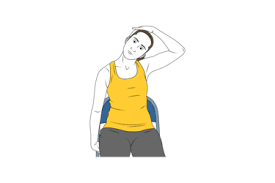
By releasing tension along the sides of your neck and shoulders, the upper trapezius stretch relieves pressure on the inflamed nerve. For a deeper stretch, sit or stand upright, softly lean your head toward one shoulder, and apply gentle pressure with your hand.
There should be a pleasant tug on the other side of your neck. To reduce stress and increase neck mobility, hold the posture for 20 to 30 seconds, then switch to the other side.
Neck Rotation:

Neck rotation helps enhance mobility in the cervical spine and eliminates stiffness that can irritate a pinched nerve. Maintain a straight back when sitting or standing, then gently tilt your head to one side as far as is comfortable without pushing yourself.
The side and back of your neck should feel somewhat stretched. To restore painless, fluid mobility, hold for a few seconds, go back to the middle, and repeat on the opposite side.
Chin Tucks:
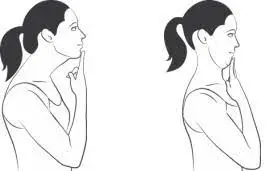
By strengthening the deep neck flexor muscles, chin tucks help correct forward-head posture and lessen strain on the cervical nerves. Without tilting your head up or down, gently bring your chin straight back while sitting or standing upright, generating a tiny “double chin.”
Feel a slight stretch at the base of your skull while holding the pose for three to five seconds. To straighten the neck and release tense nerves, repeat multiple times.
Neck Tilts:
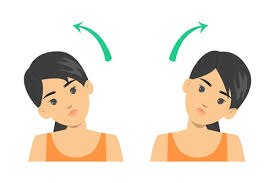
Neck tilts reduce tightness around the cervical nerves and help relax the muscles along the sides of your neck. Maintain proper posture when sitting or standing, then slowly tilt your head toward one shoulder, bringing your ear closer to the shoulder without raising it.
Feel a slight stretch on the other side of your neck while you hold for 20 to 30 seconds. To increase flexibility and ease tension, go back to the center and repeat on the opposite side.
Isometric Neck Flexion:
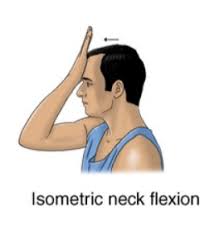
Isometric neck flexion is perfect for relieving pressure on a pinched nerve since it strengthens the front neck muscles without requiring movement. Put your palm on your forehead while sitting or standing erect. To strengthen the cervical spine and lessen nerve irritation, repeat a few times.
Isometric Neck Extension:
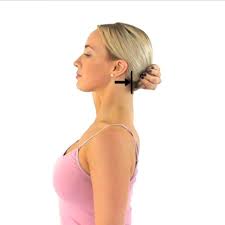
Isometric neck extension helps relieve pressure on inflamed cervical nerves by strengthening the muscles at the back of your neck without needing any movement. Put your hands behind your head while sitting or standing straight.
To keep your head motionless, gently push it back into your hands. To increase neck stability and reduce nerve-related pain, repeat many times.
Isometric Neck Side Flexion:

Isometric neck side flexion helps strengthen the muscles along the sides of your neck, giving better support and lowering irritation around a pinched nerve. Put your palm against the side of your head while sitting or standing erect.
Try to gently tilt your head in the direction of your shoulder while using your hand to stop the movement. After five to ten seconds of holding, let go. To reduce stress and increase neck stability, repeat on both sides.
Conclusion:
Combining isometric strengthening, mild stretches, and good posture practices makes it much easier to release a pinched nerve in your neck. These exercises support the neck muscles for long-term comfort, increase mobility, and lessen pressure on the inflamed nerve.
Regular practice helps reduce pain and keep the problem from coming again. The best course of action for a safe and successful recovery is to speak with a healthcare provider if symptoms increase or continue.
FAQs
What is the recommended amount of screen time?
For teens and adults, a healthy amount of screen time is typically one to two hours per day for recreational usage; infants under the age of two should not use screens at all, and children between the ages of two and twelve should use them for no more than an hour per day. Limiting recreational use is the main objective in order to free up time for hobbies, physical activity, and in-person relationships.
Which vitamin deficit results in neck pain?
Deficits in iron, vitamin D, and vitamin B12, which are necessary for nerve and muscle function, have been connected to neck pain. Because they promote the health of the nervous system and muscles, deficiencies in any of these can cause or worsen neck and muscle pain.
Which side of the neck hurts the most?
Regardless of the side, neck pain can be dangerous if it is accompanied by symptoms like fever, tingling, and numbness down the arms, shortness of breath, chest pain, or a severe headache. pain after a traumatic injury, persistent pain that doesn’t go away with rest, or neck stiffness that prevents you from touching your chin to your chest are other warning signals.
Which vitamin deficit results in nerve pinching?
The myelin sheath, or protective layer that surrounds the nerves, is harmed when a person does not consume enough vitamin B12. This makes the nerves susceptible to crippling symptoms, including pain, numbness, and “pins and needles.”
What might be confused with a pinched nerve?
Peripheral neuropathy, carpal tunnel syndrome, herniated discs, and muscle strains can all be misdiagnosed as pinched nerves. Arthritis, muscle spasms, and syndromes like piriformis syndrome, which can imitate the tingling, numbness, or radiating pain of a pinched nerve, are additional possible causes. Because treatment varies greatly depending on the underlying illness, accurate diagnosis is crucial.
What can make a pinched nerve worse?
In general, avoid abrupt movements as well. This applies to the entire body, but particularly to the nerve-damaged area. Any abrupt jerk-like movements will trigger the body’s stress reaction, which will tighten all muscles and nerves and worsen the pinched nerve.
How can a doctor treat a pinched nerve?
Painkillers, both prescription and over-the-counter, can help ease the pain caused by a pinched nerve. Oral corticosteroids or steroid injections help lessen inflammation and swelling, which in turn lessens pain. If these therapies don’t work, surgery can be a possibility.
How may a pinched shoulder nerve be treated at home?
Use ice and heat, rest the affected area, and use over-the-counter painkillers like ibuprofen to treat a pinched nerve in your shoulder at home. Improving your posture and doing some light stretching might also help release pressure on the nerve. See a medical expert if your pain persists.
What instantly relieves nerve pain?
Although there isn’t a single “instant” treatment for nerve pain, topical medications like lidocaine or capsaicin creams and heat or cold therapy can provide instant relief. It’s crucial to see a doctor for more severe or chronic pain, since they may recommend prescription treatments like nerve blocks, antidepressants, or antiseizure meds.
Which sleeping posture is ideal for people with neck pain?
Sleeping on your back or side is the best option if you have neck pain, but it’s important to keep your neck and spine in alignment. Use a thin, supporting pillow and put a tiny pillow beneath your knees to maximize back sleep. When lying on your side, place a pillow between your knees to keep your hips and spine in a neutral posture, and use a pillow that fits between your shoulder and ear. Your neck and spine are most strained when you sleep on your stomach, so avoid doing so.
Does neck pain have a connection to screen time?
Because of the bad posture people assume when using digital gadgets, prolonged screen time can also result in neck and shoulder pain. Back pain and other musculoskeletal issues can also result from this bad posture and the sedentary nature of screen use.
What is a warning sign of neck pain?
While mild muscular pains and strains typically go away in a week, persistent neck pain that doesn’t go away may indicate an underlying issue, such as degenerative disc disease or even a ruptured disc.
How can a child’s neck ache be relieved?
Whichever feels better, try either heat or ice. Apply it multiple times a day for ten to twenty minutes at a time. Place a small cloth between your child’s skin and the ice or heat. You might also try alternating between ice and heat.
What is a shoulder pinched nerve?
Sharp, deep, or scorching pain, numbness, and tingling that may travel down the arm are signs of a pinched nerve in the shoulder, which is caused by pressure from surrounding tissues. It may be caused by repetitive motions, arthritis, ruptured discs, or bad posture. Rest, painkillers, and physical therapy—which includes posture correction and mild stretches—are frequently used in treatment.
Can a pinched nerve bring on nausea?
Back pain and digestive issues may result from adjacent structures being impacted by herniated discs, spinal stenosis, or compressed nerves in the spine. Important Requirements: Herniated Disc: Nausea may result from a bulging or ruptured disc pressing on nerves that link to the stomach and digestive system.
What medication works well for children with neck pain?
Over-the-counter medications such as ibuprofen or acetaminophen (paracetamol) can be used to alleviate mild to moderate neck pain in children. Seeing a doctor is essential if you have severe or ongoing pain. If an infection is detected, the doctor may recommend stronger treatments, such as muscle relaxants, anti-inflammatory drugs, or antibiotics. Before administering medication to a child, always get medical advice, particularly if the child has a fever, an injury, or other serious symptoms.
References:
- Villines, Z. (2025, April 10). 10 exercises for a pinched nerve in the neck. https://www.medicalnewstoday.com/articles/326949
- Pinched nerve. (2025, November 13). Cleveland Clinic. https://my.clevelandclinic.org/health/diseases/6481-pinched-nerves
- Nunez, K. (2025, September 2). Exercises to relieve a pinched nerve in the neck. Healthline. https://www.healthline.com/health/pinched-nerve-in-neck-exercises
- Pinched nerve – Diagnosis and treatment – Mayo Clinic. (n.d.). https://www.mayoclinic.org/diseases-conditions/pinched-nerve/diagnosis-treatment/drc-20354751
- Levo. (2022, June 13). Can you unpinch a nerve at home? Motion Orthopaedics. https://www.motionorthodocs.com/blog/can-you-unpinch-a-nerve-at-home/
- Burch, K. (2025, October 10). What to do for pinched nerve pain in the neck. Verywell Health. https://www.verywellhealth.com/pinched-nerve-in-neck-7558840