Cranial Electrotherapy Stimulation (CES)
The fundamentals of stimulation with cranial electrotherapy:
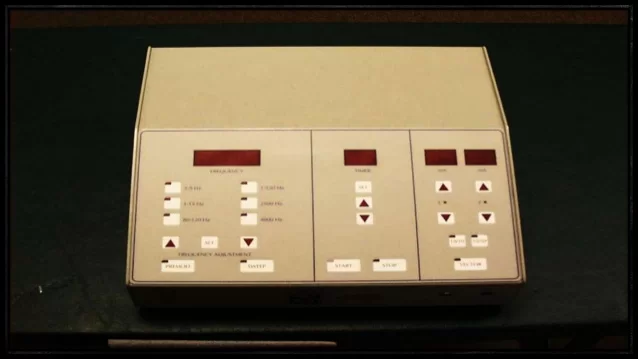
A specific waveform, frequency, and amplitude are applied to patients through a non-invasive transcranial pulsed-current stimulation, or CES. Included with CES goods are an electrical set and an instructions box. While electrode placement varies, FDA-approved devices—which are available for viewing on the FDA website—have identified certain electrode configurations. A wide range of CES devices show deviations in frequency between 0.5 and 500 Hz and intensity deviations up to 5 mA.
A waveform may be sinusoidal or square. Whether CES helps treat anxiety, depressive disorders, and sleeplessness is still up for debate. Although CES has been proposed as a potential treatment for some diseases, including headaches, fibromyalgia, smoking cessation, and opiate withdrawal, there is insufficient evidence to support its use for acute depression and minimal evidence for many other conditions.
CES has been demonstrated to alter oscillatory band power in EEG recordings while affecting neurotransmitter and neurohormone concentrations. For those with ADHD, anxiety, sadness, addiction, pain, and sleeplessness, Mental Health America (MHA) recommends a clinical investigation of CES. Furthermore, there are only a few reported adverse effects of CES in the literature: headache, irritability, and vertigo.
How does the CES operate?
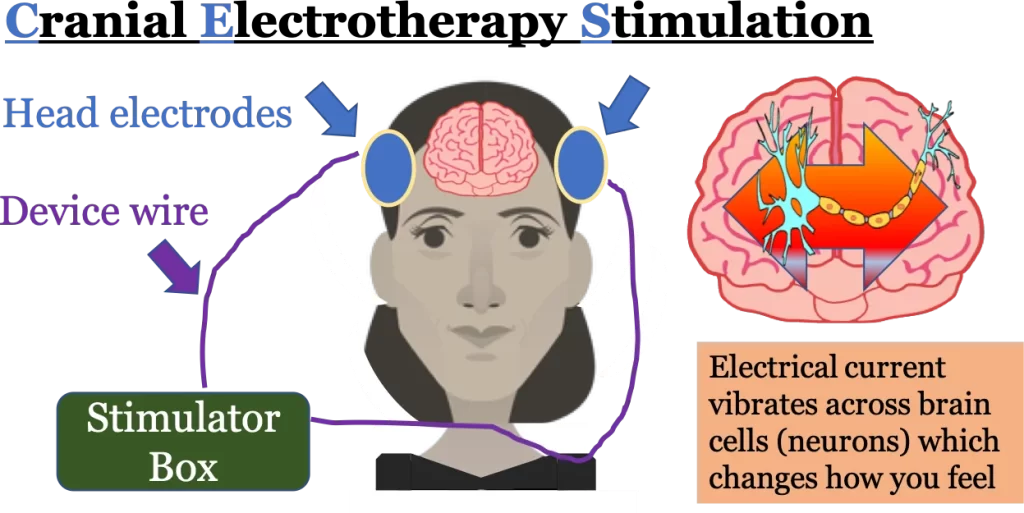
Because the brain is largely an electrochemical organ, electrical stimulation has been shown to positively affect several brain functions.
According to studies, neurotransmitters are released in response to electrical stimulation. And that in turn may have calming consequences. Moreover, CES targets multiple brain regions. The limbic system, the thalamus, and the hypothalamus, for instance. This supports the control of emotions. This aids those experiencing uncontrollable outbursts of fury or breakdowns. It also relieves soreness and irregularities in hormones.
There are two hypotheses regarding how CES reduces pain. One is that CES prevents the brain from sending pain signals. The second contends that CES raises the pain threshold by producing endorphins and other neurotransmitters. Depressive and anxious symptoms also decline as a result of the second effect.
It’s interesting to note that CES was first applied to alleviate pain as a result of research conducted by Dr. Ronald Melzack. He is aware of the phantom limb sensation. He saw that some amputees have discomfort in the limbs that they are unable to use. In addition, he identified the neurological system as the cause of this pain and proposed the idea that the brain contains a pain homunculus. He maintained that even in the absence of stimulation, the brain’s pain center continued to send pain signals.
CES usage in clinical settings:
People profit from psychotherapy. particularly from CES’s support during treatment sessions. Patients are frequently able to open up and freely express their emotions thanks to the calming effects of CES.
Furthermore, there are no negative interactions between CES and the substances. Furthermore, patients can employ CES in addition to their current medications. Furthermore, CES frequently results in a lower prescription dosage. Furthermore, CES is a far safer alternative than medications in any case. even considering the negative consequences.
Is CES the Best Option for Myself?
An Alpha-Stim CES gadget could be helpful if you have anxiety or insomnia. This makes Alpha-Stim the best choice:
- Safety: With a doctor’s approval, safe to use in conjunction with other therapy modalities and medications. The problems of addiction, domestic violence, misuse, or withdrawal are not possible.
- Suitability: Suitable for those who are difficult to treat, such as the elderly, people with complicated or long-term illnesses, and people who would rather not use drugs.
- Convenience: Home treatments are simple, quick, and effective.
Remember that: People with pacemakers or other implanted devices shouldn’t use Alpha-Stim.
Timeline for Expected Outcomes:
- Anxiety: Usually, the first treatment brings about relief. Use frequently or as needed.
- Insomnia: Recovery usually takes two to three weeks, although, for some people, it may take longer.
- Pain: The initial treatment provides immediate alleviation; subsequent treatments have cumulative effects. In the beginning, chronic pain may need daily treatments.
- Depression: Though some people see alleviation in a matter of days, significant changes typically take three weeks or longer.
Duration of the Session:
Usually, alpha-stim is used for twenty to sixty minutes a day, multiple times a week. Smarter Probes can provide quick comfort for pain in no more than five minutes. Many individuals can eventually cut back on usage while still seeing symptom relief.
Home-based CES devices:
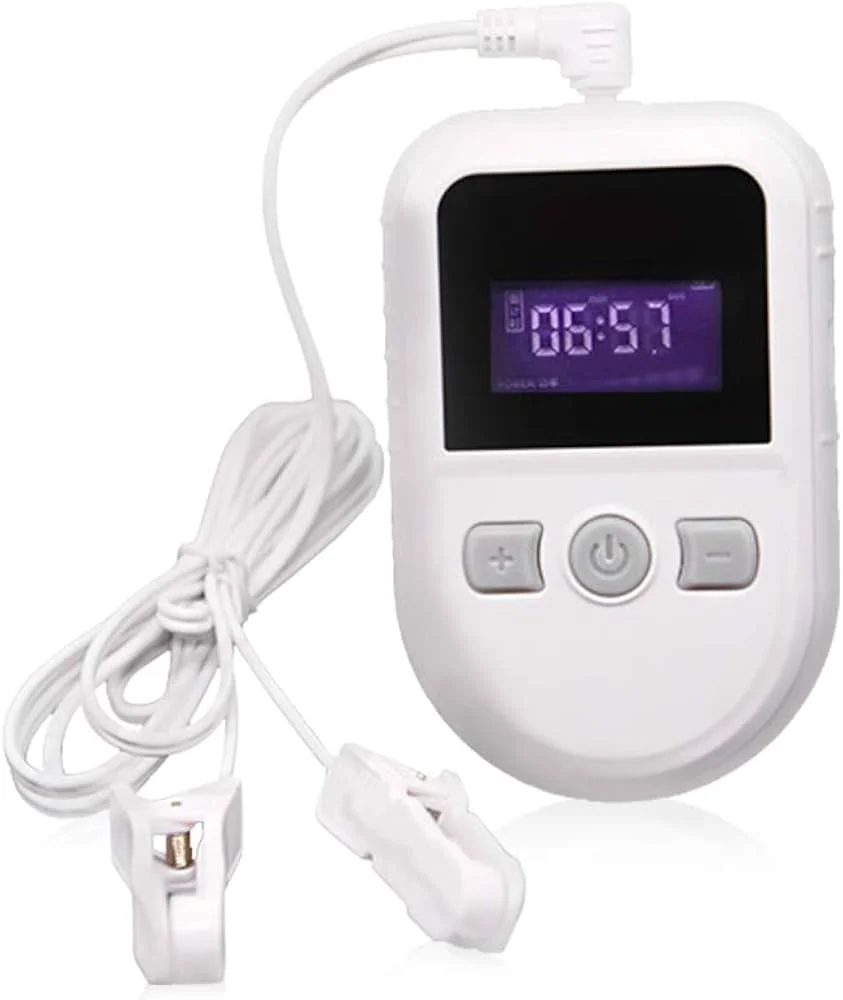
One of the numerous benefits of using CES at home to treat a variety of chronic conditions is its portability. with, for the most part, no expert oversight. Both the Alpha-Stim and the Fisher-Wallace Cranial Electrical Stimulator are the most often used CES electronics. The former makes use of earlobe-attachable clips. Second, the latter is typically fitted with sponge electrodes and fastened to the temples.
Summary
Like a lot of contemporary innovations, CES developed into from antiquated methods. It was once thought to be a miraculous treatment for illnesses that would otherwise be terrible. We have calmed it for highly regulated usage in medical sciences with the help of current technology. It’s also just as easy to use as a hand massager. One of the best treatments for depression, anxiety, insomnia, and pain management is cranial electrotherapy stimulation.
FAQs
Is CES a genuine success?
However CES functions, clinical research indicates that it is safe and effective, and the majority of those who benefit from it usually see improvements within a few days of beginning treatment.
How is the CES gadget operated?
Brain stimulation instruments are called CES stimulators or devices. They activate specific brain regions by delivering low-level, safe electrical impulses. The brain releases various neurotransmitters in response to stimulus, which helps to restore balance in the brain and raises the concentration of beneficial hormones and chemicals.
Is brain damage safe with electrotherapy?
A cellphone-sized device called Cranial Electrotherapy Stimulation (CES) stimulates the brain and skull using a current that is typically too low for the user to feel (below four milliamperes). There haven’t been any significant adverse effects mentioned.
When does CES start to function?
Different people may react differently to CES therapy. Some see nearly instantaneous improvements, noticing a noticeable difference within one or two sessions. Others might need a bit more time; it might take three to four weeks before they see any discernible change.
Can regular folks attend CES?
The public is not permitted access to CES.
References
- What is Cranial Electrotherapy Stimulation (CES). (n.d.-b). https://neuromodec.org/what-is-cranial-electrotherapy-stimulation-ces/Copy
- Cranial electrotherapy stimulation. (2023, November 7). Wikipedia. https://en.wikipedia.org/wiki/Cranial_electrotherapy_stimulation
- Singh, J. (n.d.). Cranial Electrotherapy Stimulation (CES): A Comprehensive Guide: Jazz Psychiatry: Psychiatrists. Jaswinderjit Singh, MD. https://www.jazzpsychiatry.com/blog/cranial-electrotherapy-stimulation-ces-a-comprehensive-guide
- Rbnoonan. (2023, July 16). Cranial Electrotherapy Stimulation. Ballard Psychiatry. https://www.ballardpsych.com/cranial-electrotherapy-stimulation/