Bone

  • |

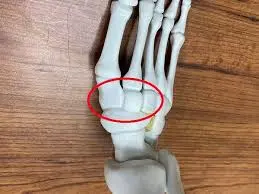
    Navicular Bone

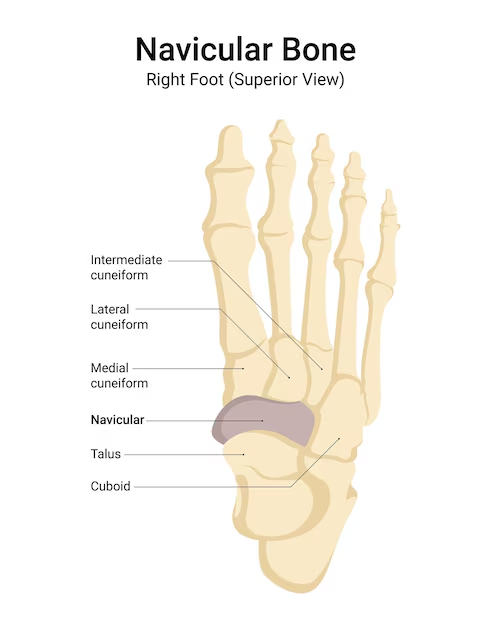
    The navicular Bone, also called the nevicular bone, is a tiny, boat-shaped bone found in the foot. Human feet are constructed of 26 bones and 33 distinct joints. Seven tarsal bones, including this form the ankle and foot. The navicular bone is a wedge-shaped structure. It is seen within the central area of the upper…

  • |

    Calcaneus (Heel Bone)

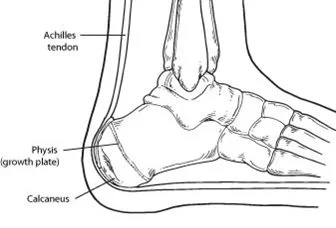
    The calcaneus (heel bone) is the largest tarsal bone in the foot. It works as the foundation of the rear part of the foot, forming the heel. The calcaneus plays a crucial role in weight-bearing, shock absorption, and foot mechanics during walking, running, and standing. Structurally, it articulates with the talus above (forming the subtalar…

  • |

    Talus Bone

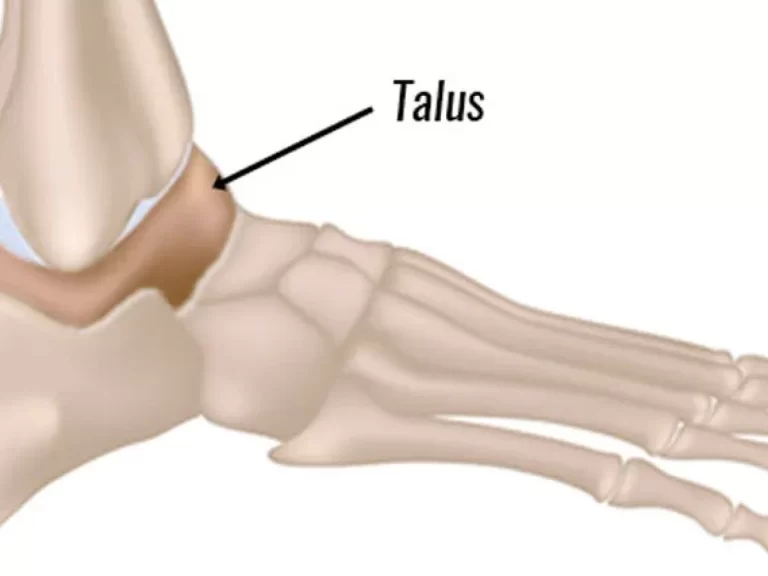
    Introduction The talus bone, also known as the ankle bone, is a critical structure in the human foot that plays a pivotal role in mobility and weight-bearing. The talus bone’s typical form allows it to align with the shin and calf bones, the tibia, and the fibula, to comprise the ankle joint. It facilitates fluid…

  • |

    Cuboid Bone

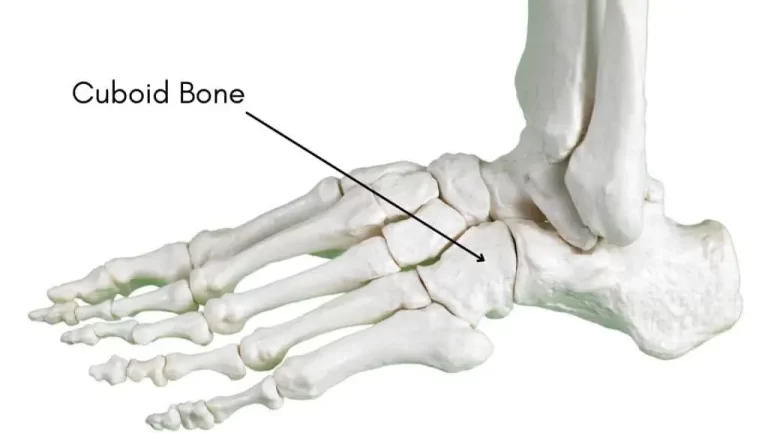
    Introduction The cuboid bone is a cube-shaped tarsal bone located in the foot, playing a crucial role in the structure and function of the lateral arch. Situated on the outer side of the foot, it connects with the calcaneus (heel bone) posteriorly and the fourth and fifth metatarsal bones anteriorly. It is a component of…

  • |

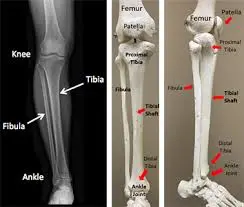
    Tibia (Shinbone)

    The tibia is the body’s second-lanthiest bone. It has an impact on your balance, gait, and standing posture. Tibias normally break only after significant injuries, such as car accidents. You are more likely to have unnoticed fractures, though, if osteoporosis has weakened your bones. What is the Tibia (Shinbone)? Anatomy of the Tibia The proximal…

  • |

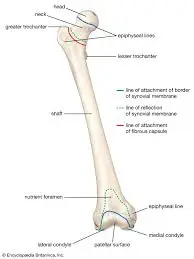
    Femur (Thighbobe)

    Overview The femur, often known as the thighbone, is the most powerful and longest bone in the human body. Your thigh comprises just one bone, the femur. It affects how you stand, walk, and maintain equilibrium. It is common for femur bone to break only after experiencing substantial trauma, like an automobile collision. However, if…

  • |

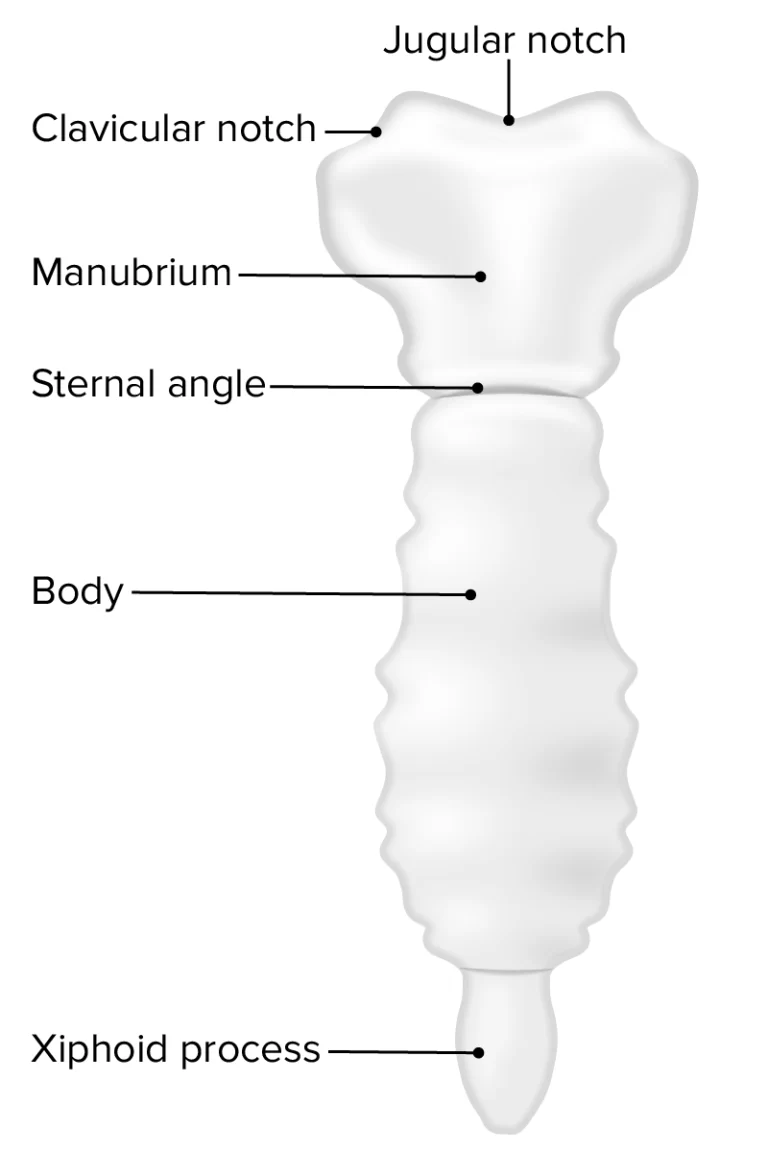
    Sternum (Brestbone)

    Overview The sternum is a bone located in the center of your chest. It can be additionally referred to as the breastbone. The sternum, an even, shaped T, bone in the center and anterior of the chest, safeguards the internal organs and muscles. It ties together with other bones and muscles and is an essential part…

  • |

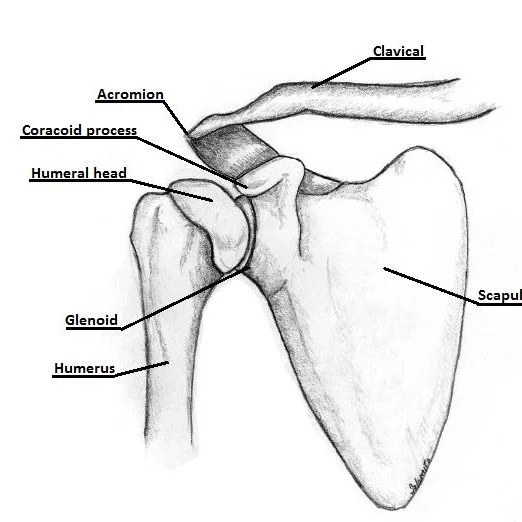
    Shoulder Joint

    The shoulder joint, also known as the glenohumeral joint, is a ball-and-socket joint that involves the humerus (upper arm bone) and the scapula (shoulder blade). It is one of the most mobile joints in the human body, allowing for a wide range of movements such as flexion, extension, abduction, adduction, rotation, and circumduction. Introduction The glenohumeral joint, which is situated in the shoulder, can move in a wide variety of ways….

  • | |

    Wrist Joint

    Introduction The wrist joint, also known as the radiocarpal joint, is a complex structure that connects the hand to the forearm. It is responsible for a wide range of movements, including flexion, extension, radial deviation (movement toward the thumb), ulnar deviation (movement toward the little finger), and some degree of circumduction. Various bones and joints…