9 Best Glute Exercises to Build Strength and Shape
Introduction:
A powerful lower body, superior posture, and enhanced mobility all depend on having strong, well-defined glutes. These workouts offer an efficient and well-rounded approach, whether your objective is to enhance athletic performance, avoid injuries, or just tone and sculpt your lower body.
This exercise program, which is appropriate for both novice and experienced fitness lovers, strengthens your glutes and increases your functional strength and self-assurance in daily tasks.
Benefits of Glute Exercises:
The gluteus muscles, which are essential for lower-body mobility, posture, and general stability, can be strengthened with glute workouts. Strong glutes assist in avoiding pain and injury by strengthening the hips, improving balance and coordination, and lessening the strain on the knees and lower back. Frequent glute training also improves athletic performance by boosting power for exercises like running, walking, squatting, and jumping.
Working the glutes increases metabolism, promotes fat reduction, and burns more calories because they are a big muscle group. Glute workouts are crucial for both functional fitness and general body strength because well-trained glutes also lead to improved posture and a more toned, defined lower body.
9 Best Glute Exercises to Build Strength and Shape Your Lower Body Video:
Glute Exercises:
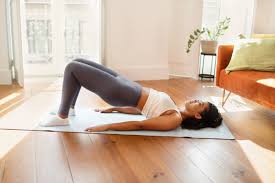
Glute Bridges:
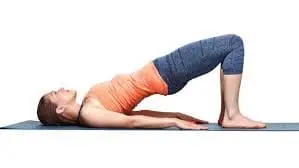
The glute bridge is a crucial exercise for developing strength and stability since it works the gluteus maximus and activates the hamstrings, core, and lower back muscles. The glute bridge helps lessen the strain on the lower back by strengthening the hips and enhancing pelvic alignment. It can be invaluable for those who suffer from back pain caused by extended sitting or weak glutes.
Frequent practice aids everyday activities like walking, climbing stairs, lifting objects, and keeping appropriate form during other exercises by improving posture, balance, and general functional mobility. Additionally, by boosting hip extension power—which is crucial for sprinting, jumping, and squatting motions—the glute bridge improves athletic performance.
Hip Thrust:
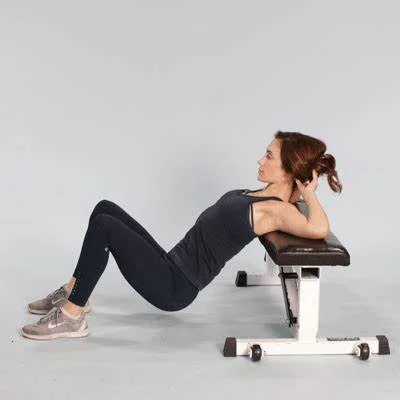
A strong lower-body exercise, the hip thrust works the hamstrings, core, and lower back for stability in addition to focusing on the glute muscles. Because it puts the glutes under high tension through a full range of hip extension, it is particularly excellent for increasing glute strength, size, and power.
Frequent hip thrust exercise increases hip stability, boosts athletic performance in running, jumping, and sprinting, and, by encouraging appropriate muscle activation, lessens pressure on the knees and lower back. Additionally, this exercise promotes improved posture, strengthens the lower body for functional motions, and makes the lower body stronger and more defined.
Squats:
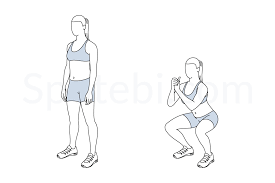
A basic complex exercise, squats work the glutes, quadriceps, and hamstrings while also strengthening the lower back and core for stability. They promote hip and knee mobility, strengthen the entire lower body, and improve balance and coordination. Frequent squat exercise improves functional fitness by making daily tasks like standing, sitting, lifting, and climbing stairs safer and easier.
Additionally, squats activate several large muscle groups simultaneously, which boosts energy expenditure, aids in fat loss, and enhances general body strength while fostering improved posture and sports performance.
Lunges:
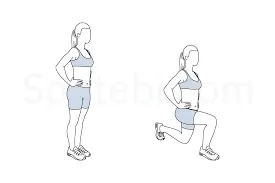
In addition to strengthening the glutes, quadriceps, hamstrings, and calves, lunges are a potent unilateral lower-body exercise that thoroughly engages the core for stability and balance. Lunges assist in addressing muscular imbalances, increase coordination, and improve overall body control because they work one leg at a time.
Lunges improve knee stability and hip mobility regularly, lowering the risk of injury during sports and daily activities. Additionally, lungs increase functional strength, which facilitates and improves activities like walking, jogging, climbing stairs, and direction changes.
Lunges also put a lot of strain on big muscle groups, which promotes fat reduction, increases calorie burn, and develops lean muscle. This exercise promotes improved posture, stronger glutes, and a more toned, powerful lower body with its many versions, including forward, reverse, walking, and side lunges.
Bulgarian Split Squats:
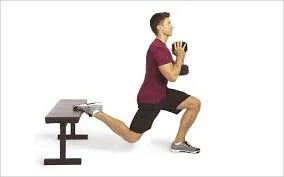
Bulgarian split squats are a sophisticated unilateral lower-body workout that works the hamstrings, calves, and core for stability and balance in addition to the glutes and quads. This exercise is very useful for developing strength, muscle definition, and hip stability since it increases range of motion and emphasizes the front leg by raising the back foot.
Bulgarian split squats improve general functional strength for tasks like walking, running, and climbing stairs. They also help address muscular imbalances between the legs and improve coordination. In addition to improving posture and lowering the risk of lower-body injuries, this exercise tests balance and core control and builds a stronger, more powerful, and more developed lower body.
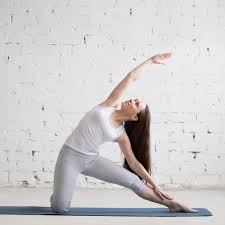
Chair Pose:
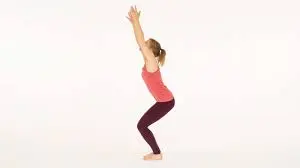
Chair Pose is a potent yoga pose that works the back and core muscles while strengthening the glutes, quads, hamstrings, and calves. The body learns to maintain balance and stability by holding this stance, which enhances posture and body awareness.
Frequent Chair Pose exercise improves hip and knee strength, boosts lower-body endurance, and facilitates more functional movement during everyday tasks, including sitting, standing, and lifting. Additionally, it improves general stability and control, strengthens and tones the lower body, increases circulation, and sharpens the mind.
Kickbacks:
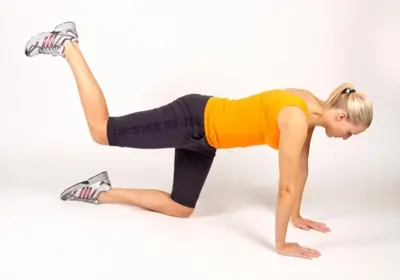
Kickbacks are a great isolation exercise that works the hamstrings and core for stability in addition to focusing on the glute muscles, particularly the gluteus maximus. Hip extension strength, which is necessary for activities like walking, running, climbing stairs, and getting up from a seated position, is enhanced by this exercise.
Kickbacks are very beneficial for toning and sculpting the lower body since they improve glute activation and muscle definition. Kickbacks are great for strengthening the mind-muscle link and strengthening weak or underactive glutes because they enable deliberate and controlled action.
Strong glutes from kickbacks also improve posture, balance, and lower-body strength by supporting healthy pelvic alignment, lowering the likelihood of hip and knee injuries, and reducing stress on the lower back.
Step-ups:
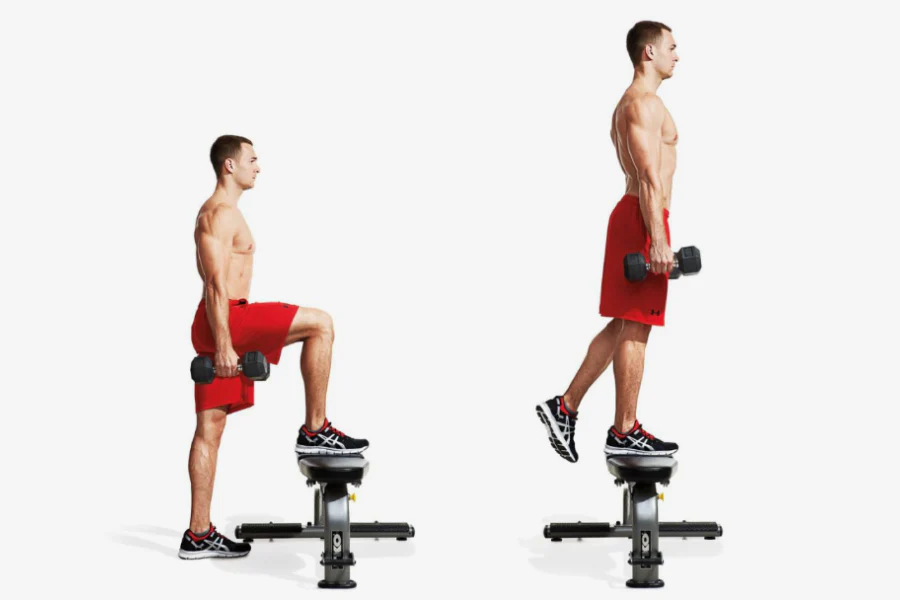
Step-ups are a very efficient functional lower-body exercise that works the hamstrings, quadriceps, and glutes while also using the calves and core for stability and balance. This workout is great for enhancing real-life strength and coordination since it replicates common activities like ascending stairs.
Frequent step-up exercise lowers the risk of injury by improving hip and knee stability, strengthening unilateral legs, and correcting muscular imbalances. In addition to improving posture, balance, and general lower-body power and endurance, step-ups also raise cardiovascular demand, improve calorie burn, and aid in fat reduction.
Deadlifts:
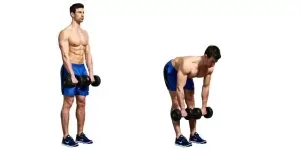
One of the most effective complex exercises is the deadlift, which works the core, quadriceps, and upper body for stability in addition to the glutes, hamstrings, and lower back. The posterior chain, which is necessary for good posture, spinal stability, and effective movement, is strengthened by this exercise.
Frequent deadlift training lowers the risk of lower back injuries by encouraging appropriate movement mechanics and increasing functional strength for everyday tasks like lifting, bending, and carrying goods.
Deadlifts are an essential exercise for growing total-body strength and power because they work several big muscle groups at once, increasing calorie burn, increasing overall muscle mass, and improving athletic performance.
Conclusion:
To sum up, activities that target the glutes are essential for developing a strong, solid, and well-balanced lower body. These exercises improve posture, boost athletic performance, lower the chance of injury, and support everyday functional actions like walking, lifting, and ascending stairs by strengthening the glutes.
Regular glute training is a crucial component of any fitness or wellness regimen since it protects the lower back and knees, improves balance, increases calorie burn, and results in a more toned and muscular body.
FAQs:
How can elders strengthen their glutes?
Effective glute exercises for seniors include Glute Bridges, Chair Squats, Side Steps with Band, Clamshells, and Glute Kickbacks. These exercises emphasize balance and controlled movements, frequently with the help of a chair or wall, to increase stability, lower the risk of falls, and make daily tasks like climbing stairs easier. As strength increases, progressively add resistance bands or other variants after starting with bodyweight and concentrating on squeezing the glutes.
Are glute workouts appropriate for both men and women?
Strength, stability, and general lower-body performance are all improved by glute workouts, which are advantageous to both sexes.
Does training my glutes require any equipment?
No, although resistance bands or weights can improve outcomes, many efficient glute workouts can be performed with just bodyweight.
How long does it take for glute training to show results?
Strength gains can be seen in a few weeks with regular exercise and a healthy diet, but it may take six to eight weeks or longer to see noticeable muscle definition.
Do glute workouts help people lose fat?
Indeed, when paired with a nutritious diet, glute exercises increase calorie burn and promote total fat loss since they work big muscle groups.
Do glute workouts relieve back pain?
The pelvis and spine are supported by strong glutes, which can lessen lower back pain caused by weak or inactive glute muscles.
Can novices perform glute exercises?
Yes, beginners can begin with bodyweight exercises like step-ups, squats, and glute bridges, concentrating on good form before introducing weights.
What makes glute workouts crucial?
Exercises for the glutes, the body’s largest muscle group, improve posture, balance, lower-body strength, and lessen strain on the knees and lower back.
How frequently should I work out my glutes?
You can work your glutes two to three times a week, giving your muscles enough time to recuperate and expand in between workouts.
Do lunges work better for the glutes than hip thrusts?
Depending on the objective, yes. Walking lunges are arguably superior if you want the greatest amount of stretch-mediated hypertrophy with athletic carryover. However, hip thrusts continue to be the best option if the objective is to isolate, load heavily, and solely concentrate on increasing the glute max.
Are you able to exercise your glutes every day?
Three times a week is the straightforward response. Depending on seven key circumstances, the more complicated answer is two to six times a week. Genetics is the most significant of these variables, but exercise choice, volume, load, effort, intent, and specialization are also essential.
Why are female butts so appealing?
Because rounder buttocks show a woman’s youth and fertility, evolutionary psychologists speculate that they may have developed as a desirable characteristic. They indicate that there are enough fat reserves for pregnancy and lactation, as well as the existence of estrogen.
Which workout strengthens the glutes the most?
The best way to develop your glutes is to concentrate on compound exercises like Hip Thrusts, Squats (particularly Bulgarian Split Squats), and Romanian Deadlifts (RDLs), which hit the muscle at different lengths (long, short, and mid) with progressive overload and mind-muscle connection for max activation. Research indicates that Step-ups and Hip Thrusts have high muscle activation, but a program needs variety for full development.
What symptoms indicate a weak glute?
Pain in the hips, knees, and back, poor posture and balance, a Trendelenburg gait, trouble climbing stairs or sitting up, tight hip flexors, and a feeling that your bum is “dead” are all signs of weak glutes.
For a glute day, are three workouts sufficient?
We advise performing two to five distinct glute workouts in a single training week (microcycle). For instance, you may perform a heavy deficit sumo pull on one day, a barbell hip thrust on the next day, and a lunge version on the final day if you train your glutes three times a week.
Are four glute workouts sufficient?
We advise selecting four to five exercises to complete each week, such as one primary, two secondary, and one to two tertiary exercises. If you prefer a body part split, you can perform these on a “glute and hamstring” day; if you want a full-body training split, you can spread them out throughout the course of the week.
References:
- Stefanov, P. (2025, April 23). 5 isolation and 9 glute compound exercises for a Head-Turning behind. Hevy – #1 Workout Tracker & Planner Gym Log App. https://www.hevyapp.com/compound-isolation-glute-exercises/
- Kirkup-Lee, A. (2025, October 23). The best lower glute exercises. Gymshark. https://row.gymshark.com/blog/article/the-best-lower-glute-exercises
- Nasm, B. W., CSCS, J. B., & CSCS, C. R. (2024, October 8). The 25 best workout moves to build your glutes. Men’s Health. https://www.menshealth.com/fitness/g19546820/best-glutes-exercises/
- Davis, N. (2025, June 16). 15 leg exercises and how to design a leg workout. Healthline. https://www.healthline.com/health/fitness/leg-workout
- Cpt, M. F. M. A. (2024, May 13). The best lower-body strength exercises. Verywell Fit. https://www.verywellfit.com/best-lowerbody-weight-training-exercises-3498517
- Cscs, J. C. M., & Cscs, J. C. M. (2025, March 24). Glute exercises. ATHLEAN-X. https://learn.athleanx.com/articles/legs-for-men/glute-exercises