Physical Therapy Exercises for Plantar Fasciitis
Introduction
Physical therapy for plantar fasciitis focuses on reducing heel pain, improving foot flexibility, and restoring normal movement.
A physical therapist can use manual therapy, stretching exercises, strengthening techniques, footwear recommendations, and activity modifications to support recovery and prevent symptoms from returning.
What is plantar fasciitis?
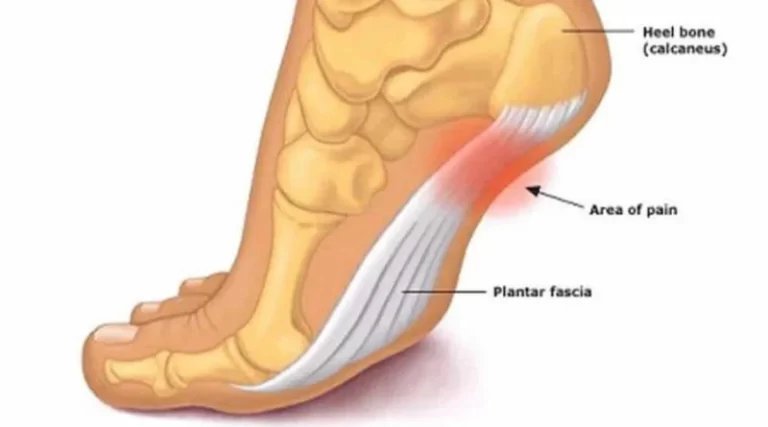
Inflammation of the plantar fascia in your foot is known as plantar fasciitis. It’s the leading cause of heel pain.
The plantar fascia is a strong fibrous connection (similar to a ligament) that connects your heel to the ball of your foot and toes. It’s as elastic as a thick rubber band. The plantar fascia joins your foot’s bones and forms the arch at the bottom.
Plantar fasciitis occurs when the plantar fascia is overworked or stretched too much. Any injury to your plantar fascia might cause it to bulge. Walking or using your foot is uncomfortable due to the inflammation. Most individuals get plantar fasciitis in one foot at a time, although it can affect both feet at once.
What are the symptoms of plantar fasciitis?
- Heel Pain.
- Pain in the arch.
- Stiffness.
- Swelling on your heel.
- A tense Achilles tendon.
What causes plantar fasciitis?
- Being on your feet all day for work.
- Participating in sports.
- Working or exercising on a hard surface (such as a warehouse floor or a sidewalk).
- Exercising without stretching or warm-up.
- Wearing shoes that provide insufficient foot support (such as flip-flops or flat, loose sneakers).
- Walking or standing barefoot at home.
Plantar fasciitis can be caused by the following health conditions:
- High-arched feet.
- Flat feet.
- Obesity (gain of more than 15 pounds in a few months).
Risk factors
- Age. It is most prevalent between the ages of 40 and 60.
- Exercise. Running, ballet, and high-intensity sports like CrossFit or boot camps can all raise your risk. Basketball, tennis, golf, and other sports requiring jumping or fast movements are other options.
- Foot Shape. Flat feet, high arches, or an odd walking technique might alter weight distribution and increase pressure on the plantar fascia.
- Shoes. Old or worn-out shoes provide less support and stability, increasing the risk of plantar fasciitis. It’s also critical to wear the appropriate footwear for your activities. For example, do not wear running shoes to court games like basketball or tennis.
- Weight. Being overweight increases the strain on the heel and foot.
- Jobs that involve extended standing or sitting. Teachers, manufacturing workers, healthcare professionals, and others who spend long hours standing or walking on hard surfaces are more susceptible. Sitting at a desk for an extended amount of time raises the risk of plantar fasciitis.
The Role of Physical Therapy in Pain Management
- Reduce inflammation: Therapists use treatments to alleviate edema and inflammation in the affected region.
- Improve circulation: Increased blood flow to the foot encourages healing and tissue restoration.
- Pain reduction: People who get continuous physical therapy report considerable decreases in heel pain, particularly in the morning and after periods of rest.
Exercises for plantar fasciitis
Toe Curls With Towel
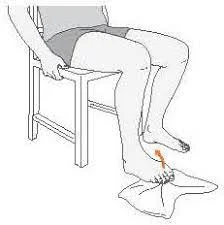
- Put a little towel on the floor. Curl the towel toward you, using only your toes. Relax.
- Repeat ten repetitions, once or twice a day.
Toe Extension
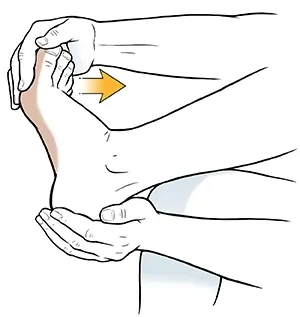
- Sit with the affected leg crossed over the uninvolved leg. To stretch the arch and calf muscle, grasp the toes with one hand and bend them and the ankle upward as much as possible. With the other hand, rub your foot’s arch deeply.
- Hold for 10 seconds. Repeat for 2–3 minutes. Repeat 2-4 sessions each day.
Standing Calf Stretch
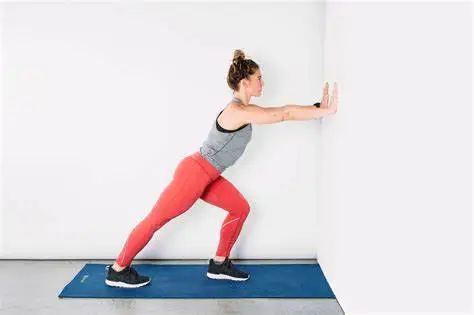
- Stand and place your hands on the wall for support. Place your feet straight ahead, with the involved foot behind the other. The front leg should have a bent knee, while the back leg should be straight.
- Shift forward while maintaining the heel of your back leg on the ground until you feel a stretch in your back leg’s calf muscles.
- Hold for 45 seconds, 2-3 times. Repeat four to six times each day.
Towel Stretch
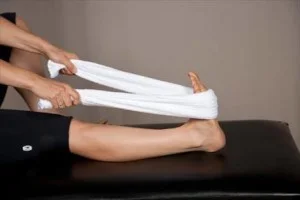
If done before getting out of bed, the towel stretch might help relieve morning pain and discomfort.
- Sit with the affected leg straight in front of you. Wrap a towel over your foot and gradually draw it toward you, feeling the strain in your calf muscle.
- Hold for 45 seconds, 2-3 times. Repeat four to six times each day.
Calf Stretch on a Step
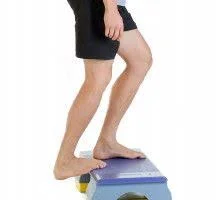
- Stand with the uninvolved foot flat on a step. Place the affected ball of the foot on the step’s edge. Gently drop your heel on the affected leg to feel a stretch in your calf.
- Hold for 45 seconds, repeating 2-3 times. Repeat between 4 and 6 times each day.
Ice Massage Arch Roll
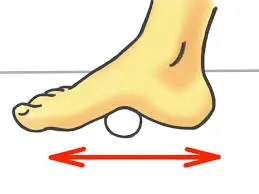
- Roll your involved foot back and forth over an item such as a frozen can, water bottle, golf ball, or tennis ball.
- Repeat for 3-5 minutes, twice a day.
How can you prevent plantar fasciitis?
- Stretch before and after exercising.
- Allow your feet to rest and heal after a hard activity or workout.
- Wear supportive shoes.
- Do not go barefoot on hard surfaces.
- Replace your footwear every 6 to 9 months.
FAQs
What not to do when you have plantar fasciitis?
When treating plantar fasciitis, avoid high-impact activities, wearing unsupportive footwear, and ignoring any early symptoms.
High-impact sports: Avoid sprinting, jumping, hopping, and plyometrics that pound the heel.
Walking barefoot: Avoid walking fully barefoot, especially inside, because hard flooring puts extra strain on the arch.
During the acute pain phase, avoid aggressive stretching such as pulling on your big toe or overstretching the bottom of the foot.
What are the primary causes of plantar fasciitis?
Plantar fasciitis is generally caused by chronic overload, resulting in recurrent strain and micro-tears in the plantar fascia—the thick band of tissue that runs across the sole of your foot.
Who is most at risk of developing plantar fasciitis?
Adults aged 40 to 60 are more likely to have this illness.
Athletes and Runners: People who run long distances, do ballet, or do high-impact jumping activities put a lot of strain on their heel tissue.
Workers on Hard Floors: Teachers, manufacturing workers, and retail workers who stand on concrete or hard surfaces all day face increased dangers.
What are the symptoms of plantar fasciitis?
Common symptoms of plantar fasciitis include sharp, stabbing pain in the sole around the heel, and pain that is worst during the first steps in the morning or after sitting for a long period.
How to heal plantar fasciitis quickly?
Ice the heel by rolling a frozen water bottle beneath your foot for 2 to 3 minutes or applying a cold pack for 15 minutes to minimize swelling and discomfort.
Reduce activity: Avoid jogging and high-impact sports. Switch to swimming or cycling to allow the tissue to rest.
Gentle massage: Gently roll your foot over a ball or apply slight pressure to the arch. Avoid painful and forceful rolling.
References
- Therapy, L. P. (2025, March 11). Plantar fasciitis and the role of physical therapy, Part 2: How physical therapy helps manage and treat plantar fasciitis. Lifestyle Physical Therapy. https://www.lifestyleptny.com/blog/2025/march/plantar-fasciitis-and-the-role-of-physical-thera2/
- Plantar fasciitis. (2026, May 13). Cleveland Clinic. https://my.clevelandclinic.org/health/diseases/14709-plantar-fasciitis